Smith Court is easy to miss. It is a short dead-end lane off Joy Street on the back of Beacon Hill, and most people climbing up from the Common walk straight past it. Turn in, and within a few yards you are standing among a meeting house that free Black artisans built in 1806, a clapboard house where the historian William Cooper Nell lived in the 1850s, and the schoolhouse that Black families boycotted until Massachusetts outlawed segregated schools in 1855. Plenty of cities put up a plaque where history happened. On the Black Heritage Trail Boston keeps a whole neighborhood of it, house by house, along about a mile and a half of steep, narrow streets.
This guide follows the trail’s ten stops in the National Park Service’s order, with the story behind each house. It then covers the Museum of African American History at the end of the route (the only place on the trail you can go inside), the free ranger tours and when they run, how to walk it on your own the rest of the year, and the other Black history sites worth finding elsewhere in Boston. Tour schedules, museum hours and admission were checked in November 2026 against the Park Service’s and the museum’s own pages; confirm before you go, because both say their schedules can change.
The Black Heritage Trail at a glance
The trail is a walk, not an attraction with a gate. It begins at the Shaw Memorial on Beacon Street and ends at the African Meeting House on the far side of the hill, and almost everything in between is a private home, a former school or a former church that you see from the sidewalk. The museum’s two buildings at the end are the only interiors open to visitors.
| Detail | What to know |
|---|---|
| Length | About 1.5 miles, by the Park Service’s main description; its guided tour covers about 1.4 |
| Time | About 90 minutes at a guided pace, plus an hour or so for the museum |
| Cost | Free to walk; the museum charges admission |
| Start | Robert Gould Shaw and 54th Regiment Memorial, Beacon Street, opposite the State House |
| Finish | African Meeting House, Smith Court, off Joy Street |
| Stops | Ten on the Park Service’s list |
| Open to go inside | Only the African Meeting House and the Abiel Smith School, which together are the museum |
| Ranger tours | Free, summer into early fall; in 2026, Wednesday to Sunday at 10am and 1pm from May 23 into early autumn, registration required |
| On your own | Any day, any hour; audio tour in the free NPS App |
| Nearest T | Park Street (Red and Green Lines) |
One number needs a note. The Park Service’s main visitor page puts the trail at approximately 1.5 miles, while its ranger-tour page says the guided walk covers about 1.4. Either way, the distance is not what tires people out. The hill is.
Why this corner of Beacon Hill
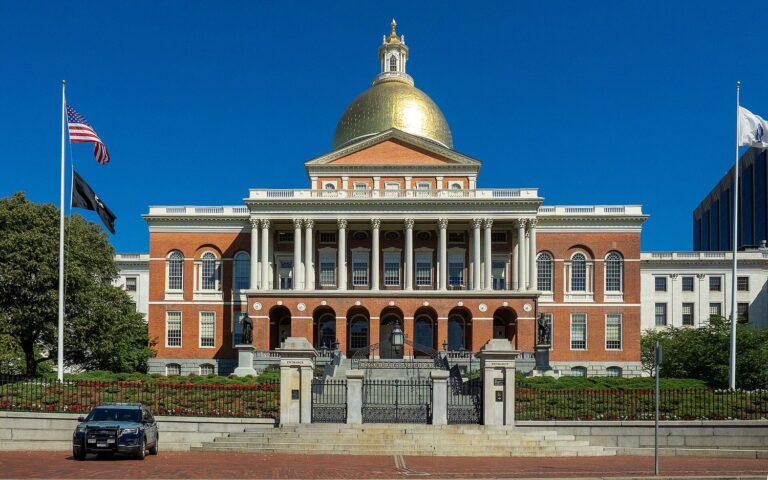
Beacon Hill has two faces. The side facing the Common is the one on the postcards, with the gold dome of the State House and the grand houses along Beacon Street. The north slope, running down toward Cambridge Street, was a different neighborhood. From the late 1700s through the 1800s it was home to a free Black community, and in the Park Service’s words that community organized for equal rights and equal education, championed the movement to abolish slavery and sheltered freedom seekers on the Underground Railroad.
Black Bostonians’ history goes back much further than the houses on this walk. The Museum of African American History starts its own collection’s story in 1638, when the slave ship Desire brought the first documented kidnapped Africans into Boston Harbor. But it was on this hillside, in the decades after the Revolution, that a free community built the institutions it would organize around: a benevolent society, a church and a school.
The sequence is easy to follow on the ground. In 1796 George Middleton, whose house is the second stop, helped organize the African Society, a charitable organization devoted to community service and education. In 1798 Black parents set up the African School in the home of Primus Hall. In 1805 the African Baptist Church was formally constituted with 24 members, 15 of them women, and the next year it had its own meeting house off Joy Street; the school moved into a room there in 1808. In 1832 William Lloyd Garrison founded the New England Anti-Slavery Society in that same building. And in the 1850s, after the Fugitive Slave Law of 1850 put every escaped man and woman in Boston at risk of capture, the Haydens’ boardinghouse on Phillips Street was sheltering freedom seekers and paying their fares north to Canada.
Then came the war. In 1863 the African Meeting House became a recruiting post for the 54th Massachusetts, the regiment honored at the start of the trail. Over the following decades much of the community moved on, toward the South End and later Roxbury. The African Baptist congregation sold its meeting house in 1898, and the Charles Street AME congregation, the last Black institution on the hill, left in 1939. What stayed were the buildings. The museum describes the trail as the largest collection of historic sites in the country tied to the life of a free African American community before the Civil War, and the Park Service’s Boston African American National Historic Site interprets it in partnership with the museum.
The 10 stops, in order
The Park Service lists ten stops, and this is its order. The Museum of African American History gives a longer count of 14 sites; this guide follows the Park Service’s ten. Start on Beacon Street and finish at the museum, so the one stop with a ticket desk, and a place to sit down, comes at the end.
1. Robert Gould Shaw and Massachusetts 54th Regiment Memorial
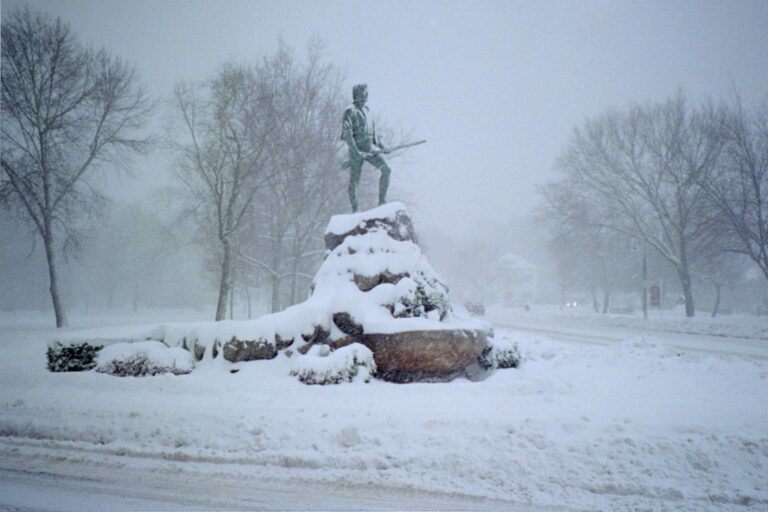
The trail begins on the edge of Boston Common, directly across Beacon Street from the Massachusetts State House, with Boston’s most moving piece of public sculpture. Augustus Saint-Gaudens spent nearly fourteen years on this high-relief bronze, and in his New York studio he hired forty men to model the soldiers’ faces. Paid for by private donations and unveiled on May 31, 1897, it shows the 54th Massachusetts marching down Beacon Street in 1863 on its way to war. You are standing on the same street.
The story behind it is as hard as the bronze. Black men had fought in the Revolution and the War of 1812, but in the first years of the Civil War Northern prejudice kept them out of the Union army. A clause in the Emancipation Proclamation of 1863 allowed Black regiments to be raised, and Governor John Andrew created the 54th Massachusetts Volunteer Infantry, with Robert Gould Shaw, the son of wealthy abolitionists, as its colonel. Frederick Douglass recruited for it, and so did Lewis Hayden, whose house is the sixth stop. Men enlisted from every region of the North and from as far away as Canada and the Caribbean.
On July 18, 1863, the regiment made its assault on Fort Wagner in South Carolina, and Shaw and many of his men were killed. Sergeant William H. Carney, badly wounded, saved the regiment’s flag, and the Park Service counts him as the first African American recipient of the Medal of Honor. In the Park Service’s account, the 54th’s sacrifice helped wear down Northern opposition to Black soldiers and inspired the enlistment of more than 180,000 of them. The regiment went on to fight on James Island, at Olustee and at Honey Hill before coming home to Boston in September 1865.
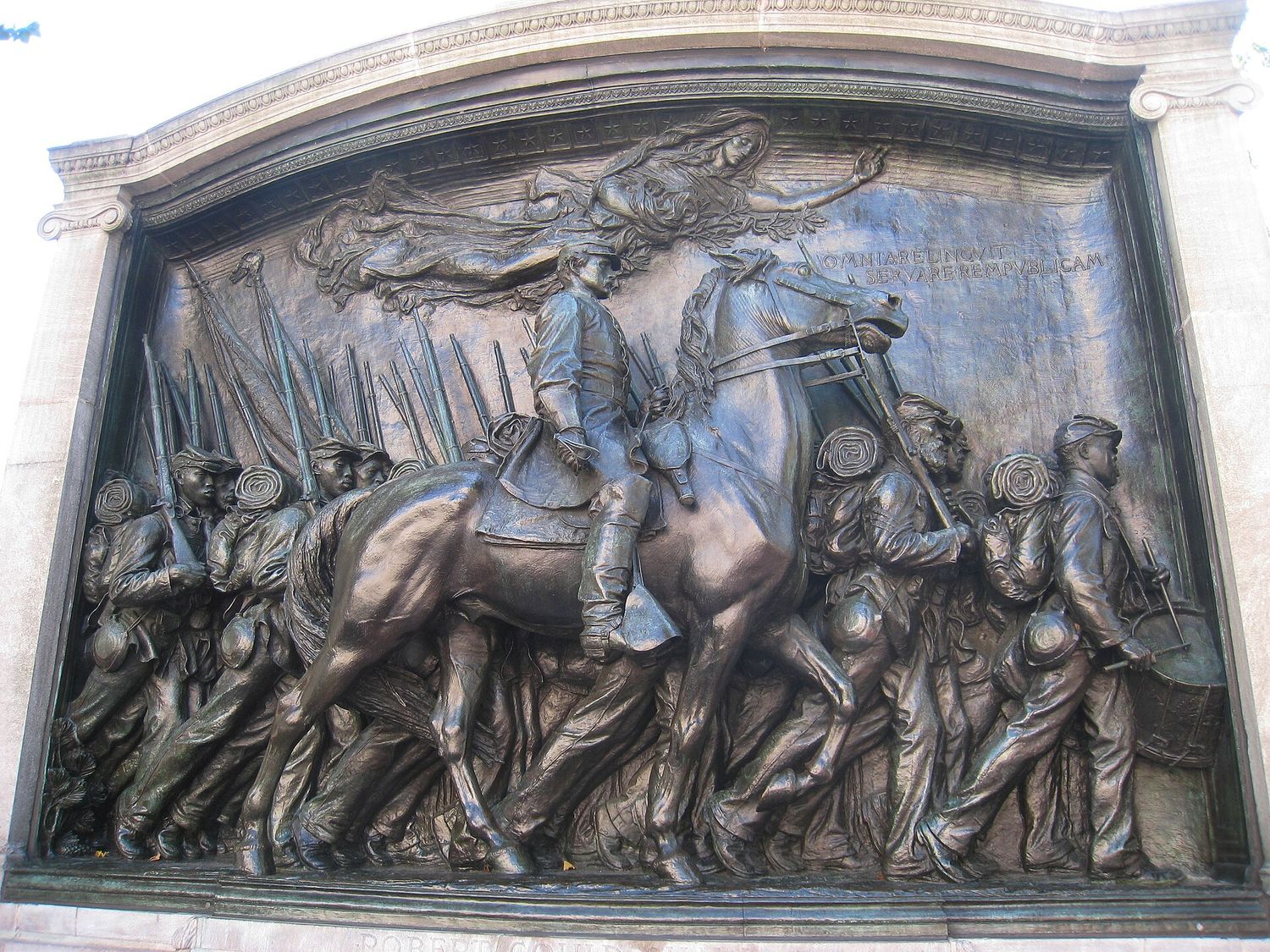
The memorial was unveiled again on May 28, 2021, after a restoration of nearly $3 million paid for by the Park Service, the Friends of the Public Garden and the City of Boston. The city owns it as part of Boston Common, and it is open around the clock. If you only have ten minutes for any of this, spend them here.
2. George Middleton House
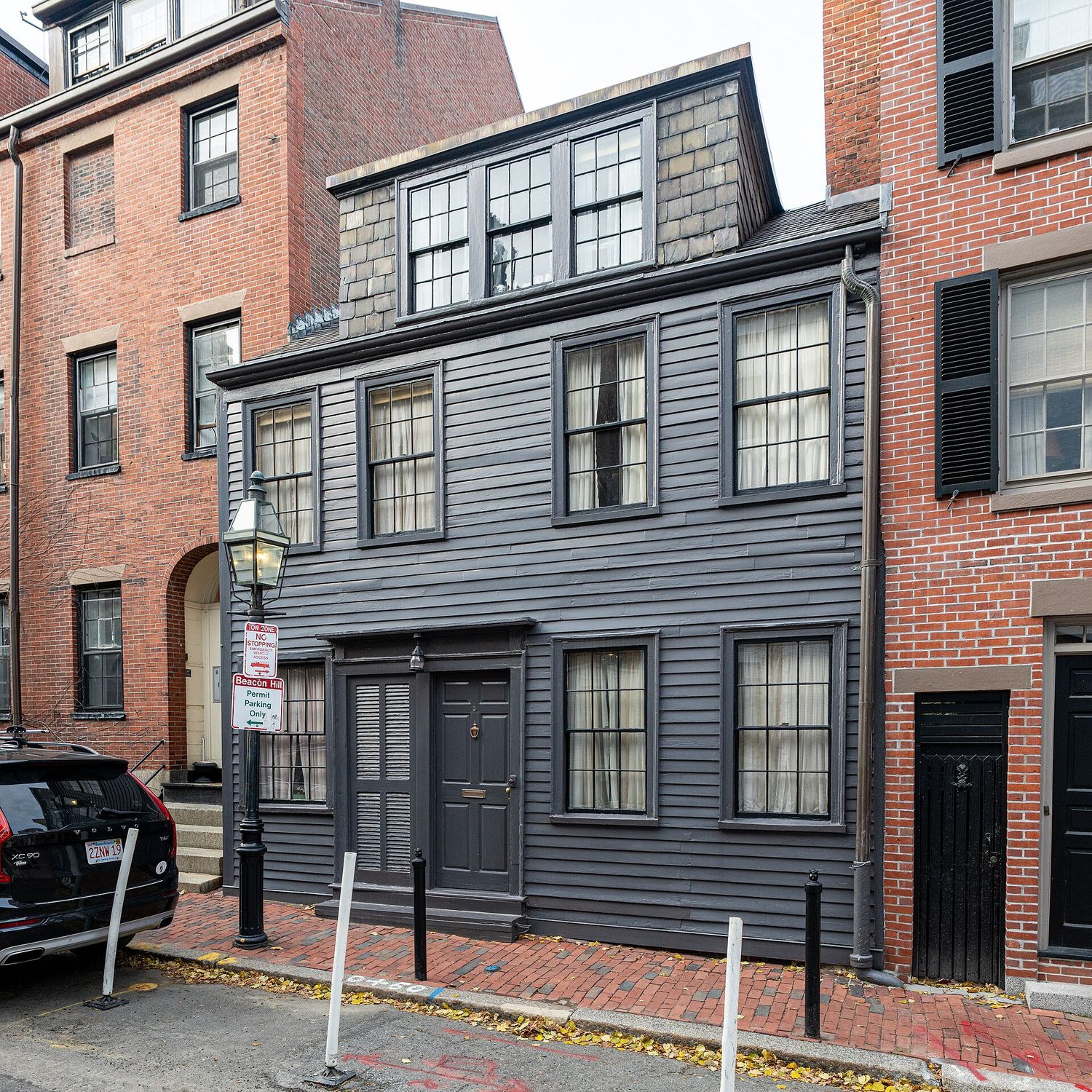
A short climb up Joy Street brings you to Pinckney Street, where the narrow wooden house at No. 5 is, according to the Park Service, the oldest home still standing on Beacon Hill. George Middleton and Louis Glapion began building it as a two-family house in 1786 and finished it in 1787. The Park Service calls it a typical example of the homes African Americans built in Boston in the late 1700s. It is a plain clapboard house among brick ones, which makes it easy to walk past.
Glapion was a hairdresser, possibly from the French West Indies, who lived and ran his business here until his death in 1813; his wife Lucy stayed until 1832. Middleton was a horse breaker and livery man, and during the War for Independence he led a Black militia company called the Bucks of America. Little evidence about the company survives, but near the close of the Revolution Governor John Hancock presented it with a company flag, which the Massachusetts Historical Society still holds. Middleton later became the third Grand Master of the African Lodge, the Masonic lodge later known as the Prince Hall Masons, and in 1796 he helped organize the African Society. He died in 1815. The house is a private residence.
3. The Phillips School
Farther along Pinckney Street, at the corner of Anderson Street, the Phillips School tells the education story from the other side. It was built in 1824 as the Boston English High School and became the Phillips Grammar School in 1844, named for John Phillips, the city’s first mayor. Until 1855 it taught only white students. Black children went to segregated schools nearby, first in the African Meeting House and then in the Abiel Smith School on Joy Street.
When the state outlawed segregated schools in 1855, the Phillips School became one of the first public schools in Boston with an interracial student body. The Boston Herald reported fifteen Black children admitted on the first day. The Liberator, the abolitionist paper, described the principal, a Mr. Hovey, stopping one or two white boys who were mocking the new pupils with a quiet question: “Is that your politeness to strangers?” In 1863 the school moved to a new building on Phillips Street and became the Wendell Phillips School, named for the abolitionist son of the original namesake. In the early 1870s Elizabeth Smith, the daughter of John J. Smith (the next stop), began teaching at the Phillips School, likely the first African American teacher in an integrated Boston public school. The old building is now a private residence.
4. John J. Smith House
John J. Smith lived at 86 Pinckney Street from 1878 to 1893, late in a life that ran from a birth in Virginia through the abolition movement to the Massachusetts legislature. He came to Boston in the 1840s and, apart from a spell in California looking for gold, spent the years before the Civil War working as a barber. His shop was more than a shop. It was a center for community organizing and abolitionist work, and Senator Charles Sumner, a friend, was such a regular that when he could not be found at home or at his office, he could usually be found at Smith’s.
Smith, his wife Georgiana and leaders such as Benjamin F. Roberts fought for equal school rights through the 1840s and 1850s, and in February 1851 Smith played a key role in the rescue of Shadrach Minkins, the first person seized in Boston under the Fugitive Slave Law. During the war he recruited for the Massachusetts Black regiments and for the all-Black Fifth Cavalry. He served in the Massachusetts House of Representatives in 1868, 1869 and 1872, its third African American member, while Georgiana worked for the Freedmen’s Bureau. In 1878 he became the first African American appointed to the Boston Common Council, where he got the first African American appointed to the city’s police force. He died on November 4, 1906. The house is private.
5. Charles Street Meeting House
The route comes down off the hill to Charles Street for its one big public building, the brick meeting house with the clock tower at the corner of Mount Vernon Street. It was built in 1807 for the Third Baptist Church, whose seating followed the segregated pattern of New England churches. In April 1836 a member named Timothy Gilbert tested that by inviting several African Americans to sit with him in his pew. The church immediately expelled him. Gilbert and other members went on to form the First Free Baptist Church, which became Tremont Temple, the first church in Boston to abolish pew rental fees.
In 1876 the First African Methodist Episcopal congregation bought the building for $40,000. Writing in 1916, the AME historian Richard R. Wright noted that Black worshippers had once been allowed only the first two rows of the gallery here, and added: “Now they own the building.” In 1895, on the final day of the First National Conference of Colored Women of America, Josephine St. Pierre Ruffin and other Boston clubwomen organized a special session at the church, where delegates agreed to form the National Federation of Afro-American Women. The congregation held services here until 1939, long after many members had moved to the South End, which made it the last Black institution to leave Beacon Hill. Still called the Charles Street AME Church, it is now at 551 Warren Street.
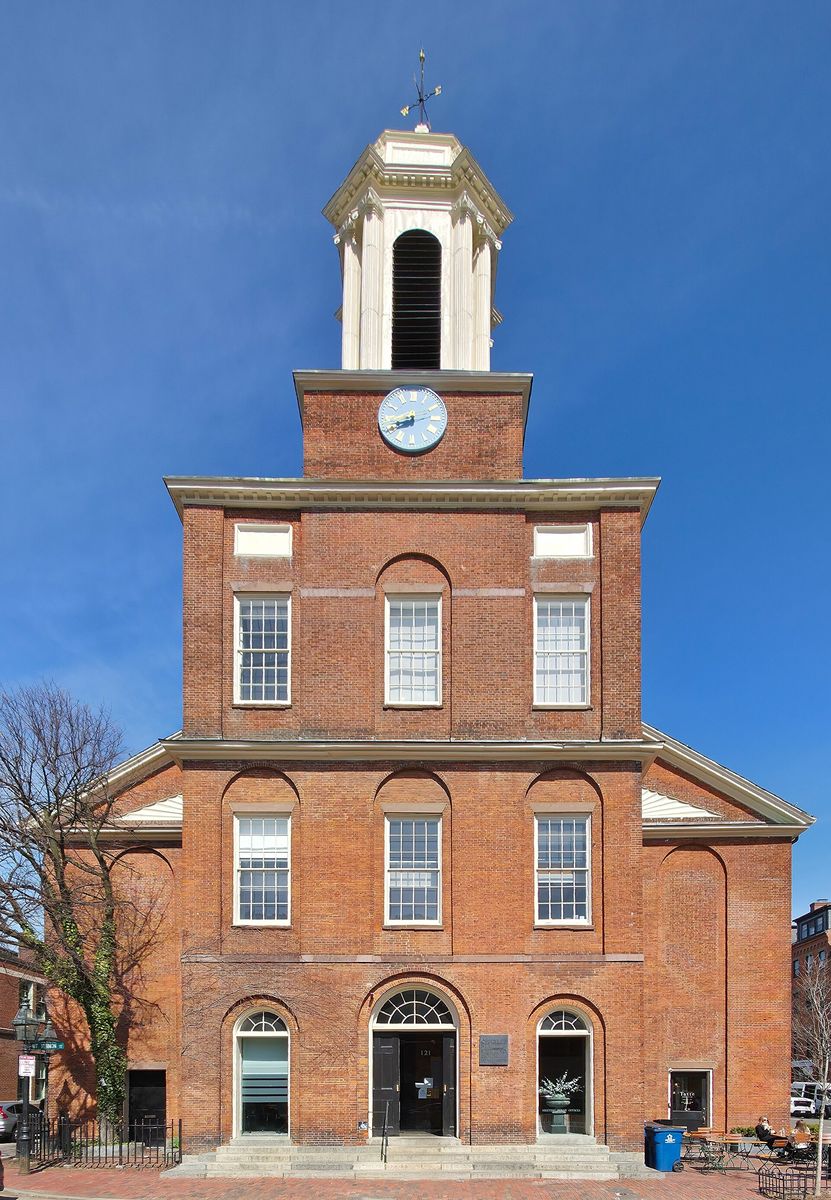
You may read that Frederick Douglass and Sojourner Truth spoke from this pulpit. The Park Service traces that to a 1937 Boston Globe article and says more research is needed to confirm it, so treat it as a story rather than a fact. The building is no longer a church.
6. Lewis and Harriet Hayden House
If you remember one house on the trail, make it 66 Phillips Street, formerly Southac Street. The Park Service calls it the preeminent Underground Railroad safe house in Boston during the 1850s. Lewis and Harriet Hayden had escaped slavery in Kentucky in the 1840s, and by 1850 they were living here and running the house as a boardinghouse.
The records survive. After the Fugitive Slave Law of 1850, Bostonians formed a Vigilance Committee to help freedom seekers, and its treasurer’s account book logs entry after entry for Lewis Hayden: boarding fugitives in November 1850, “Taylor and Coopers fare to Canada” in September 1852, clothes for a man named Henry Demby in November 1855. The historian Stephen Kantrowitz points out that while Lewis moved around the city, the day-to-day running of the boardinghouse was almost certainly Harriet’s. In 1853 Harriet Beecher Stowe was brought here while gathering material for her Key to Uncle Tom’s Cabin, and thirteen newly escaped people were gathered in one room for her to meet.
The most famous guests were William and Ellen Craft, who had escaped from Georgia with Ellen disguised as a white male slaveholder and William traveling as her slave. The federal census of August 1850 lists them at the Hayden house. That October, slave catchers came to Boston for them, the city’s first test of the new law. William Craft later wrote that he and Lewis Hayden had “a keg of gunpowder under his house in Phillips Street, with a fuse attached,” ready to light if anyone tried to take them. The slave catchers abandoned the chase.
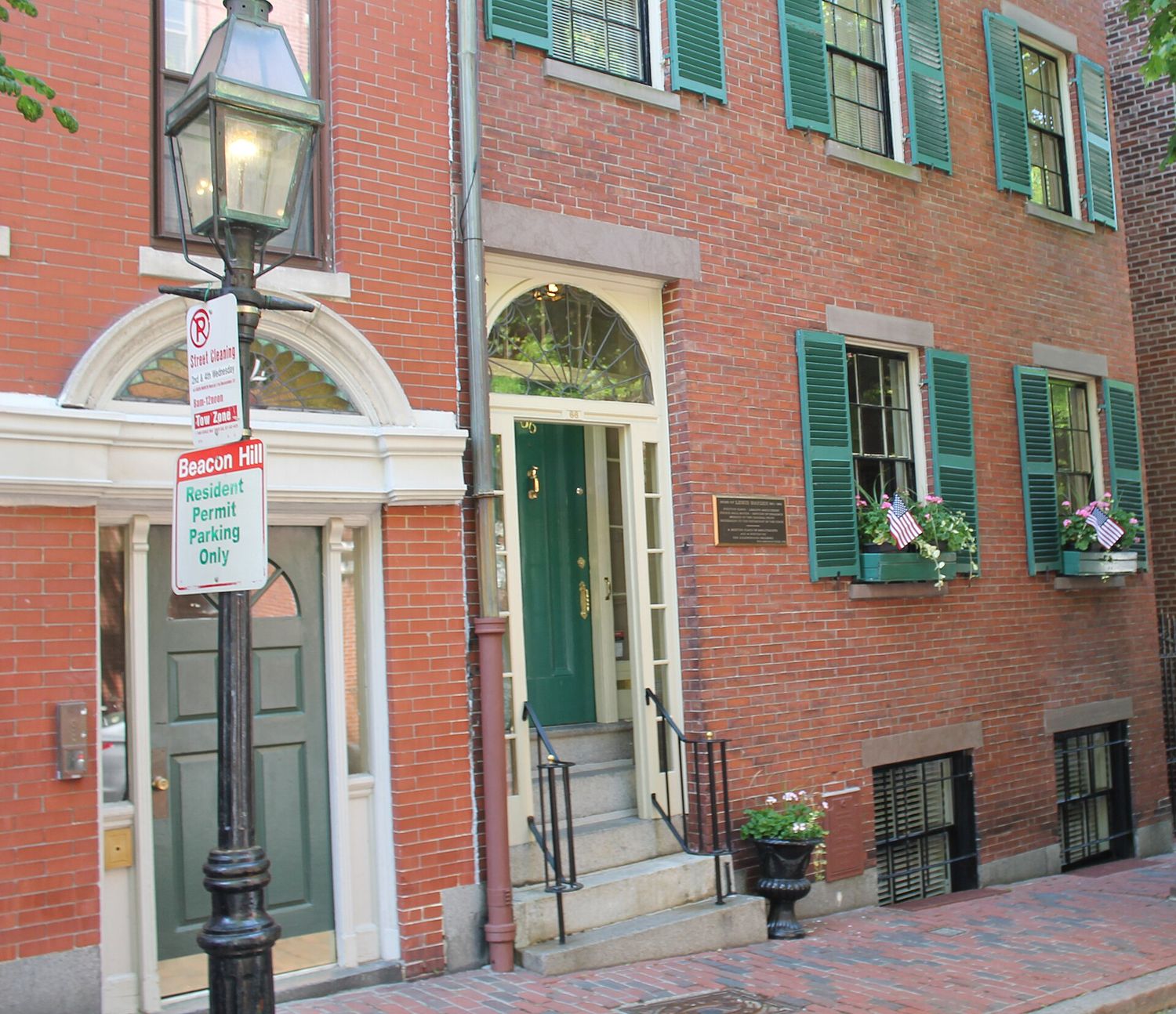
Hayden did not only defend. On February 15, 1851, within three hours of Shadrach Minkins’s arrest, he led a group of Black men in a courthouse rescue, freed Minkins and got him out of the city and on to Canada. An attempt in 1854 to rescue Anthony Burns from the same courthouse failed, and Burns was returned to the South under heavy guard. The house is listed on the National Underground Railroad Network to Freedom. It is also someone’s home, so read the plaque from the sidewalk and leave the steps to the people who live there.
7. John Coburn House
At 2 Phillips Street lived John P. Coburn, a clothes dealer born in Boston sometime between 1809 and 1813, who moved in with his family in 1844. The house may have been the last commission of the architect Asher Benjamin. Coburn ran a successful clothing shop on Brattle Street, and the Park Service notes, with admirable candor, limited evidence that he may also have run a gaming house for wealthy Bostonians here. His activism is far better documented. He was treasurer of the New England Freedom Association, formed in the early 1840s to help people who had escaped slavery, and in 1851 he was arrested, and later acquitted, over the Minkins rescue; witnesses said they had seen him at the courthouse making inflammatory remarks shortly before it began.
In the 1850s Coburn and other community leaders founded the Massasoit Guards, a Black militia. State officials ignored the company’s requests for recognition and support, and it carried on regardless as a force for community self-defense. The Park Service sees companies like it as forerunners of the Black Civil War regiments, the 54th included. Coburn died in 1873, and his son Wendell’s widow, Mary, lived in the house until around 1900. It is a private residence.
8. Smith Court Residences
Smith Court, off Joy Street, is the heart of the trail. Five houses here, Nos. 3, 5, 7 and 7A and No. 2 (also numbered 10), make up this stop, and the Park Service considers them, together with the African Meeting House and the Abiel Smith School, the best-preserved places left for understanding the lives of African Americans in nineteenth-century Boston. All five are private homes.
No. 3, probably built in 1799, carries the most history. William Cooper Nell lived here from 1850 to 1857. Nell led the long campaign for equal schools, and with The Colored Patriots of the American Revolution, published in 1855, he became one of the first published African American historians. James Scott, a clothing dealer born in Virginia, lived at No. 3 for nearly fifty years: he rented from 1839, bought the house in 1865 and stayed until his death in 1888. Scott was arrested and acquitted over the Minkins rescue, and on July 18, 1856, he boarded Henry Jackson and his family on their way to freedom. Like Scott, Nell sheltered freedom seekers here.
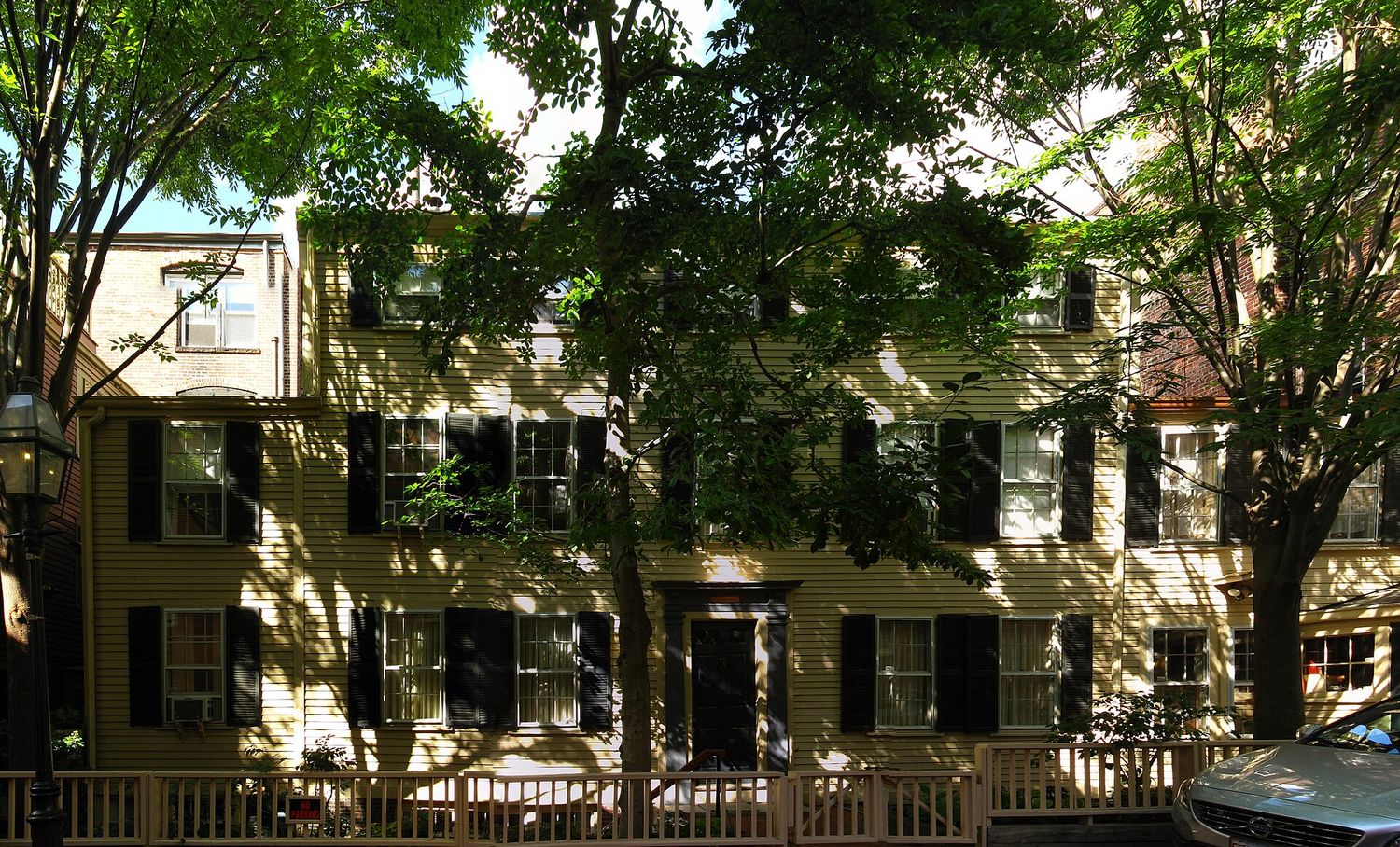
The neighbors’ stories fill in the rest. The Wilcox family lived at No. 5 from 1813 to 1815 before joining the emigrants who left with the mariner Paul Cuffe for Sierra Leone. In 1849 George Washington, a bootblack and waiter who served as a deacon of the church in the African Meeting House, bought No. 5; he and his wife Rachel had ten children, and the house stayed in the family until 1917. Joseph Scarlett, a chimneysweep who became a clothing dealer, owned No. 7 from 1857 until his death in 1898, built No. 2 in 1853, and by the end of his life held fifteen properties in Boston, Cambridge and Charlestown. And No. 7A, built in 1799, is the only survivor of the early homes that lined Holmes Alley, a lane just eight feet wide.
9. Abiel Smith School
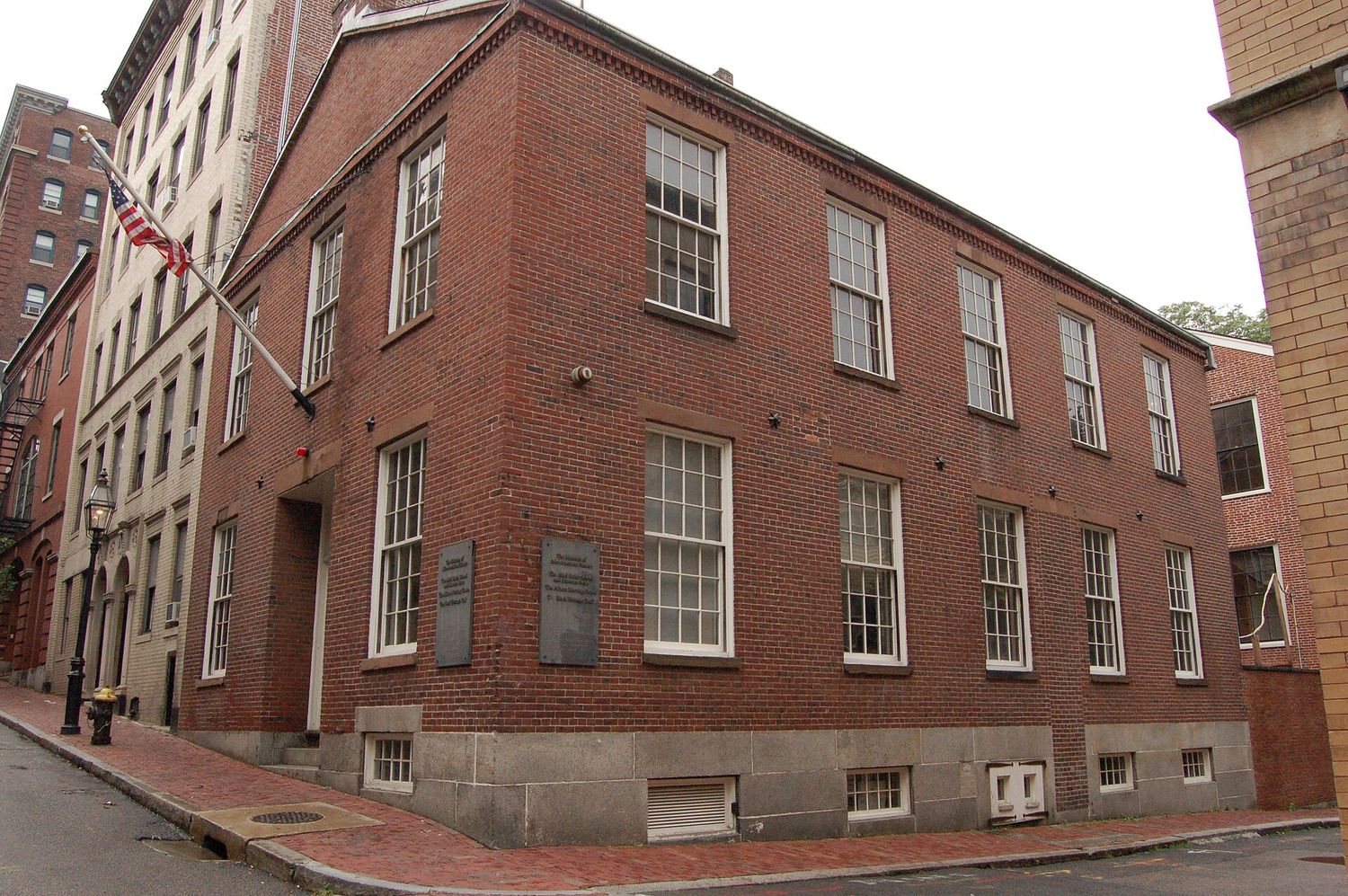
The brick schoolhouse at 46 Joy Street is now the museum’s front door, with its ticket desk, galleries and shop. The museum calls it the oldest public school in the United States built for the sole purpose of educating African American children. It opened on March 3, 1835, as a segregated school, and within a decade Boston’s Black families were fighting to empty it.
Its story starts before the building. In 1787 Black Bostonians, Prince Hall among them, petitioned the legislature for greater access to the public schools. In 1798 Black parents organized the African School, which met first in Primus Hall’s home and from 1808 in the African Meeting House. In 1812 the Boston School Committee recognized it and began paying $200 a year toward it. In 1815 Abiel Smith, a white businessman, died and left $4,000 for the education of Black children in Boston; the committee used the interest to fund the school, and later part of the money to build this one. Conditions here proved inferior to those in the city’s white schools.
Through the 1840s and 1850s William Cooper Nell, himself once a pupil at the African School, led petition drives, protests and finally a boycott of the Smith School. In 1849 Benjamin Roberts sued the School Committee so that his daughter Sarah could attend the school nearest their home; Robert Morris and Charles Sumner argued the case and lost. The campaign moved to the legislature, which outlawed segregated public schools in Massachusetts in 1855. Nell recalled watching a young Black student walk past the Smith School on the first day of school that year, calling out: “Good bye forever colored school! Tomorrow we are like the other Boston boys.”
Afterward the building briefly closed, reopened for a time as an integrated primary school and served as city storage. From 1887 to 1941 it was home to a Grand Army of the Republic chapter, and after that to the James E. Welch Post No. 56 of the American Legion. Today it holds the museum’s exhibition galleries and store. Note that in November 2026 the Park Service listed the Abiel Smith School as inaccessible for visitors with mobility needs.
10. African Meeting House
The trail ends at 8 Smith Court, at the building that held the whole community together. The African Baptist Church was formally constituted on August 8, 1805, with 24 members, 15 of them women, led by the Reverend Thomas Paul, a native of New Hampshire who served as its minister until 1829. Cato Gardner, a native of Africa, raised $1,500 toward the new meeting house himself, African American craftsmen supplied most of the labor, and it was built in 1806. The Park Service says it is considered the oldest extant Black church building in America; the museum calls it the oldest extant Black church building in the nation.
It was far more than a church. The African School met in a room on its first floor until 1835, and classes came back in 1849 when families pulled their children out of the Smith School in protest. William Lloyd Garrison, Maria Stewart, Wendell Phillips, Sarah Grimké and Frederick Douglass all spoke here. The Massachusetts General Colored Association met here, and so did the New England Freedom Association, and in 1832 Garrison founded the New England Anti-Slavery Society in this building. The community gathered here every year to mark Haitian independence and the end of the international slave trade. In 1863 it served as a recruiting post for the 54th Massachusetts, which brings the story back to where the trail began.
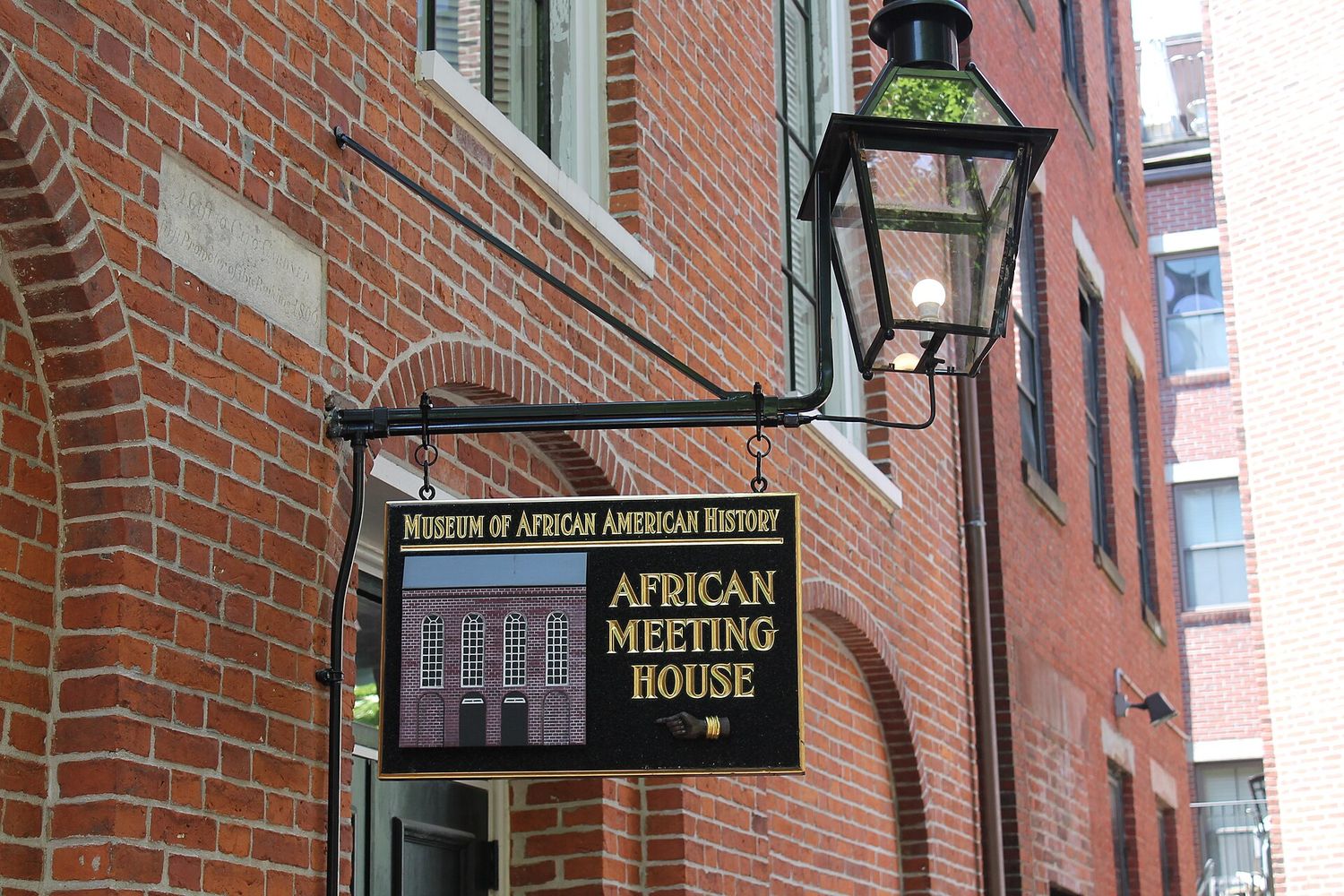
In 1898 the Baptist congregation sold the building and moved to the South End, and in 1904 it became a synagogue, the Jewish Congregation Anshi Libavitz. The Museum of African American History bought it in 1972. It is a National Historic Landmark, and the museum has restored it to its 1855 appearance, with pew seating for 180. Its history is not only in the past tense: in early June 2026, someone set fire overnight to Juneteenth decorations at the meeting house. On Juneteenth the museum held an all-day block party on Joy Street. For the building’s 220th anniversary, the museum scheduled an evening program, “The House that Freedom Built,” for December 12, 2026.
Inside the Museum of African American History
Everything else on the trail is seen from the street, and for most of it that is all there is. The Museum of African American History is where you go inside, and where the story gets its objects and its voices. It describes itself as New England’s largest museum dedicated to preserving and interpreting the contributions of African Americans, and it has a second site on Nantucket, with its own Black Heritage Trail.
Hours and tickets
The Boston museum opens to the public Thursday through Sunday, with timed entry at 10:30am, 11:30am, 1:30pm and 2:30pm; Tuesdays and Wednesdays are kept for field trips and private tours. It is closed on Thanksgiving (Thursday, November 26, 2026), Christmas Day and New Year’s Day. Numbers inside are limited. The Park Service tells visitors to buy timed tickets on the museum’s website, and the museum also sells tickets at the front desk of the Abiel Smith School, which is your first stop when you arrive.
The Park Service’s own page lists the museum’s admission as $15 for adults with a talk in the African Meeting House, $10 for adults without meeting house access, $10 for military and veterans, and $8 for youth aged 5 to 17 and for seniors 62 and over, with members free. Both the Park Service and the museum say prices change, so check the museum’s Boston page when you book. Pay the extra $5. The meeting house is the reason to come, and the $10 ticket that leaves it out is a false economy.
What’s inside
The galleries are in the Abiel Smith School. The current exhibition, Black Voices of the Revolution: Liberty, Emancipation, and the Struggle for Independence, looks at the Revolution from Black and female perspectives and covers Massachusetts from the 1620s to 1800. Its centerpiece is unusual for a history museum: interactive holographic figures, built from primary sources, that you can question by voice or on a touchscreen. It was funded in part by the Massachusetts Office of Travel and Tourism and MA250 and made with the design firm TimeLooper. Behind it sits a collection of more than 3,000 items gathered over fifty years.
Then you cross to the meeting house itself. The Park Service and the museum give talks there year-round, and sitting in those pews, in the room where Garrison and Douglass spoke and where the 54th signed up, does more than any exhibit panel can. If you see one interior on Beacon Hill, make it this one.
Ranger tour, app or on your own
The best way to do the trail is with a park ranger, and it costs nothing. The National Parks of Boston run a guided Black Heritage Trail tour of about 90 minutes that starts at the 54th Regiment Memorial and ends at the museum, covering about 1.4 miles. In the 2026 season, which began on May 23 and ran into early autumn, tours ran Wednesday through Sunday at 10am and 1pm. Registration in advance on Eventbrite is required; groups larger than five are asked to email or call 617-429-6760; and the tour is best suited to ages 8 and up. In bad weather rangers offer an indoor version in the basement of Faneuil Hall. Check the Park Service’s hours page for the 2027 season.
Outside that season, which on a visit between late October and late May means always, you are on your own, and you should not walk it blind. The houses are private and most look much like their neighbors, so without a guide in your ear you will see handsome doorways and miss the stories. Download the free NPS App and search for Boston African American National Historic Site: it has a self-guided audio tour of the trail, plus audio tours on the women of Beacon Hill and on the Underground Railroad in Boston. Printed maps and site brochures are available at the Abiel Smith School and at the Faneuil Hall visitor center during their hours, and the Park Service’s maps page has printable versions.
Two other organizations run tours of their own. The museum leads a longer walk, From Beacon Hill to Roxbury: Black Bostonians’ Quest for Citizenship, which links more than 15 stops across Beacon Hill, Downtown, the South End and Roxbury; dates are on the museum’s events page. The Freedom Trail Foundation’s African American Patriots tour, 90 minutes with a costumed guide from the Boston Common Visitor Information Center at 139 Tremont Street, is listed as returning in February 2027 and on June 19, 2027, at $17 for adults, $15 for seniors and students, $8 for children 6 to 12 and free under 6. For the Foundation’s other walks, see our guide to Freedom Trail tours.
When to go
The trail never closes, so the question is what you want from it. For a ranger tour, come in the summer season (it ran from late May into early autumn in 2026). For the museum, come Thursday to Sunday, and avoid Thanksgiving Day. For quiet, come in winter: Beacon Hill’s back streets are calm, and you may well have Smith Court to yourself, though the Park Service’s warning about sharp inclines and uneven sidewalks matters more when they are icy.
Juneteenth is the trail’s big day. In 2026 the museum held an all-day block party on Joy Street on June 19, and the Freedom Trail Foundation has scheduled its African American Patriots tour for June 19, 2027; check the museum’s events page in the spring for its own plans. For month-by-month weather and crowds, see our guide to the best time to visit Boston.
Getting there and getting around
Take the Red or Green Line to Park Street. The museum’s own directions are the simplest: walk up Park Street toward the gold dome to Beacon Street. The Shaw Memorial is there on the Common side, facing the State House. To go straight to the museum instead, turn left on Beacon Street and right onto Joy Street; it is at No. 46.
Two other stations help. Charles/MGH on the Red Line, which has elevators, is at the bottom of the hill on the Charles Street side, handy if you want to start or finish near the Charles Street Meeting House. Bowdoin on the Blue Line is a block from the Cambridge Street end of Joy Street, but it is not accessible: it has no elevators, and the MBTA says its one escalator will be out of service for a significant time, pending replacement. Government Center, which is fully accessible, is under a quarter-mile away.
Driving is a poor idea on Beacon Hill. If you must, the museum suggests the Boston Common Garage (0 Charles Street) or the Charles River Plaza garage (209 Cambridge Street), and there are parking meters on Cambridge Street. For the rest of the network, fares and passes, see our guide to getting around Boston.
Accessibility
Be realistic about the hill. The Park Service describes sharp inclines, small and uneven sidewalks, narrow stretches with no curb cuts in places and occasional obstructions, and it advises caution when crossing streets. The African Meeting House has a ramp and an elevator. The Abiel Smith School, where the ticket desk is, was listed as inaccessible in November 2026, so contact the museum before you go if that affects your visit. Pets are fine on the walk, but only service animals are allowed in the museum’s buildings.
Beyond Beacon Hill: more Black history in Boston
The trail covers one neighborhood in one century. A few other places fill in more of the story, and most of them are on or near the Freedom Trail.
- The Embrace, Boston Common. Hank Willis Thomas’s bronze of four intertwined arms commemorates Martin Luther King Jr. and Coretta Scott King. Installed in December 2022 and dedicated on January 13, 2023, it stands in the 1965 Freedom Plaza, which recognizes 69 Boston civil rights leaders, between the Boston Common Visitor Center and the Boston Massacre Monument. Our Boston Common guide covers the rest of the park.
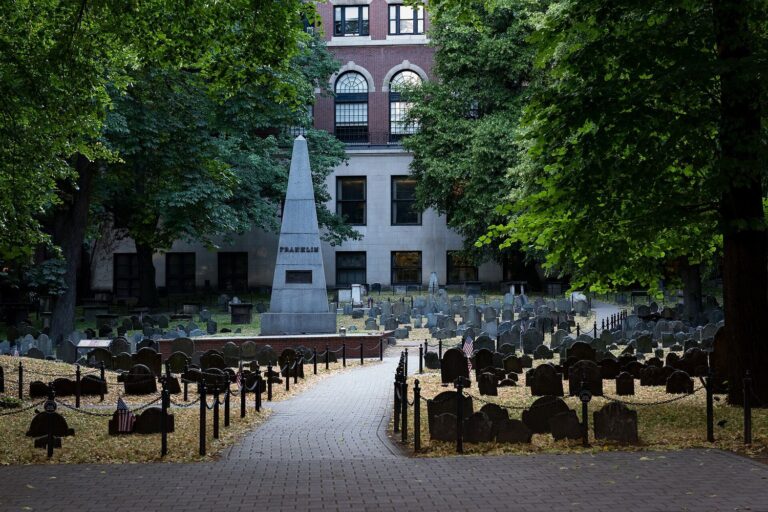
- Crispus Attucks, Granary Burying Ground. Attucks, one of the five victims of the Boston Massacre and, in the Freedom Trail Foundation’s words, considered to be the first casualty of the American Revolution, is buried with the others in the Granary on Tremont Street. See our Granary Burying Ground guide.
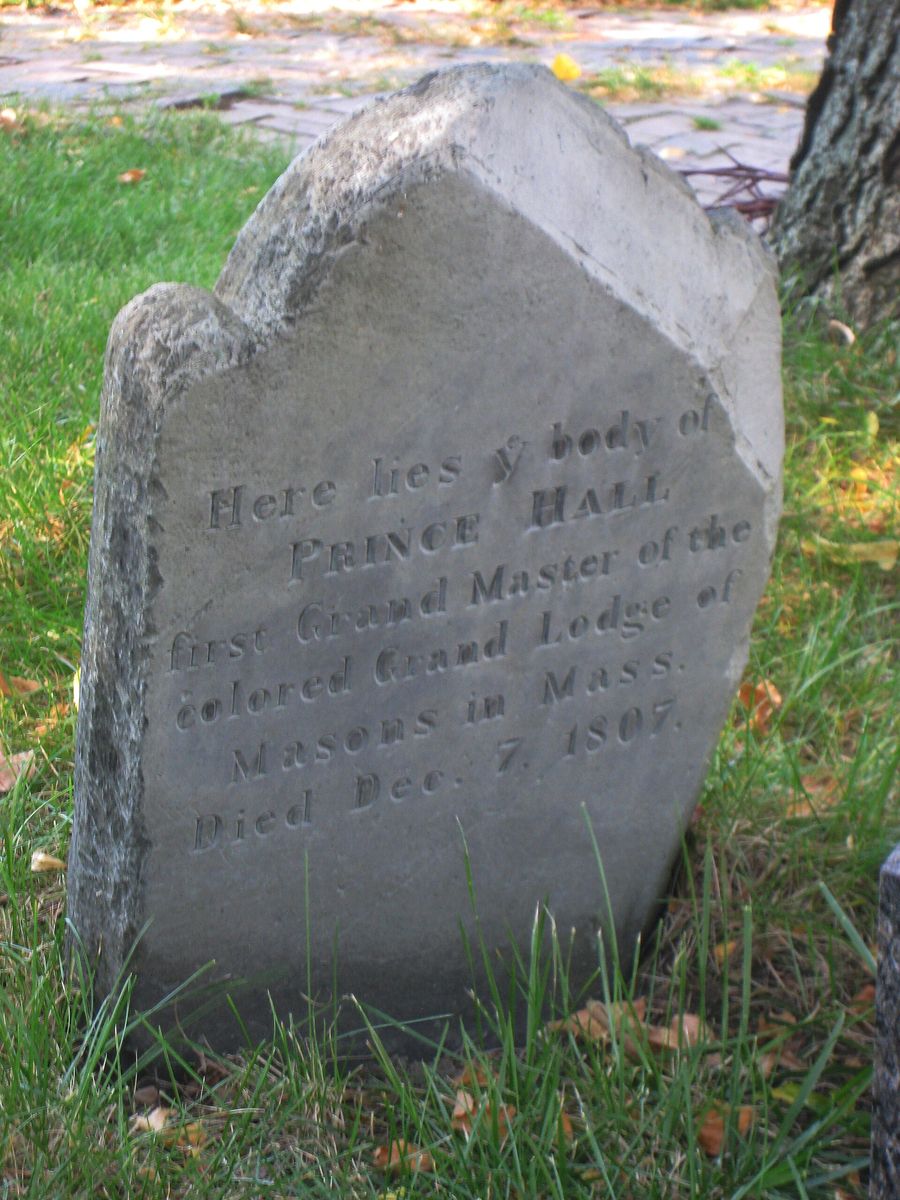
- Prince Hall, Copp’s Hill Burying Ground. Among the Black Bostonians who petitioned the legislature for schooling in 1787, Prince Hall is buried at Copp’s Hill in the North End, under a slate stone that calls him the first Grand Master of the colored Grand Lodge of Masons in Massachusetts. Copp’s Hill is stop 14 on our list of Freedom Trail stops.
- Phillis Wheatley, Commonwealth Avenue Mall. The poet stands with Abigail Adams and Lucy Stone in Meredith Bergmann’s Boston Women’s Memorial, unveiled in 2003 on the Commonwealth Avenue Mall in Back Bay.
- Charles Street AME Church. The congregation that left the hill in 1939 is now at 551 Warren Street.
Pairing it with the Freedom Trail
The two trails meet at the top of the Common. The Shaw Memorial faces the Massachusetts State House, the second of the Freedom Trail’s 16 stops, so you can branch off without backtracking. A half-day plan that works from Thursday to Sunday:
- Book the museum’s 11:30am entry. Start at Park Street at about 9:45am and walk the trail with the NPS App, which brings you to Smith Court in time.
- Spend an hour or so in the galleries and the meeting house.
- Have lunch on Charles Street or Cambridge Street.
- Walk back to Park Street and pick up the Freedom Trail at the Granary Burying Ground, its fourth stop, carrying on toward Faneuil Hall and the North End.
If you would rather do the Freedom Trail first, walk its downtown stops in the morning and come back for the Black Heritage Trail and a 1:30pm or 2:30pm museum slot. For how long the full Freedom Trail really takes, see how long the Freedom Trail takes. Either way, you avoid the easiest mistake to make, which is turning up at the museum on a Monday, Tuesday or Wednesday expecting to get in.
What’s worth your time, and what isn’t
Worth it: the Shaw Memorial, even if you do nothing else; the whole trail with a ranger in season or the audio tour out of it; the museum, with the meeting house talk; and Smith Court, taken slowly.
Not worth it: walking the route without the app, a map or a guide, because you will see doorways and miss everything that happened behind them. The $10 museum ticket that skips the meeting house. And planning a winter trip around a ranger tour, because the Park Service lists none outside the summer season.
Worth knowing: seven of the ten stops are privately owned, and six of those are people’s homes. Keep your voice down on the narrow streets, stay off the steps, and photograph facades rather than windows.
Frequently asked questions
How long is the Black Heritage Trail in Boston?
The National Park Service describes it as approximately 1.5 miles, and its ranger tour covers about 1.4 miles in roughly 90 minutes. Add an hour or so if you visit the Museum of African American History at the end.
Is the Black Heritage Trail free?
Yes. Walking the trail costs nothing, and the Park Service’s ranger tours are free. The Museum of African American History charges admission; the Park Service lists $15 for adults with a meeting house talk or $10 without, and $8 for youth and seniors. Check the museum’s website for current prices.
Where does the Black Heritage Trail start and end?
It starts at the Robert Gould Shaw and Massachusetts 54th Regiment Memorial on Beacon Street, on the edge of Boston Common opposite the State House, and ends at the African Meeting House on Smith Court, off Joy Street, which is part of the Museum of African American History.
Can you go inside the houses on the trail?
No. Apart from the African Meeting House and the Abiel Smith School, which the museum owns and opens during its hours, every building on the trail is privately owned and not open to the public. The Shaw Memorial is outdoors and open around the clock.
Are there guided tours of the Black Heritage Trail in winter?
The Park Service runs its free ranger tours in the summer season only; in 2026 they began on May 23 and ran into early autumn. In winter, use the self-guided audio tour in the free NPS App. The Freedom Trail Foundation’s African American Patriots tour is listed as returning in February 2027.
When is the Museum of African American History open?
Thursday through Sunday, with timed entry at 10:30am, 11:30am, 1:30pm and 2:30pm. It is closed on Thanksgiving, Christmas Day and New Year’s Day. Book a timed ticket on the museum’s website before you go.
How does the Black Heritage Trail connect to the Freedom Trail?
The Shaw Memorial, where the Black Heritage Trail starts, faces the Massachusetts State House, the Freedom Trail’s second stop. You can walk one trail and pick up the other without backtracking; the Granary Burying Ground, the Freedom Trail’s fourth stop, is a short walk from Park Street.
Is the trail wheelchair accessible?
Only partly. The Park Service warns of sharp inclines, narrow and uneven sidewalks and missing curb cuts in places. The African Meeting House has a ramp and an elevator, but in November 2026 the Abiel Smith School was listed as inaccessible, so contact the museum before you visit.