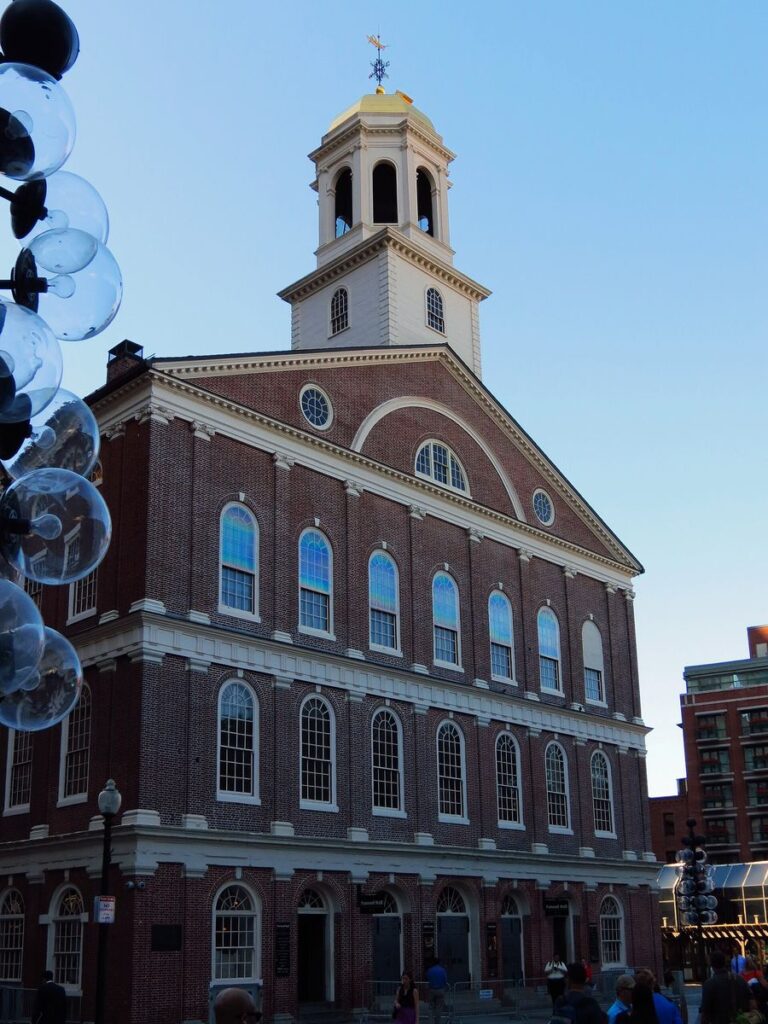
Stand outside Faneuil Hall for ten minutes in summer and you will be offered a trolley, a Duck, a harbor cruise and a ghost walk, usually by someone holding a clipboard. The trouble is that Boston’s historic core is only about three miles end to end, and a surprising amount of it can be seen properly for free. So the useful question about boston sightseeing tours is not which is the best, but which of them actually shows you something you could not see by walking — and which are selling you a ride through a city that is easier on foot.
This guide compares every main kind of tour in the city: guided walks, the free ranger-led and building tours most visitors never hear about, hop-on hop-off trolleys, the Ducks, harbor cruises, whale watches and the specialty night and campus tours. Prices were checked on operators’ own sites in September 2026. Where an operator does not publish a fixed price, we say so rather than guess; confirm everything before you book.
The quick comparison
| Tour | Adult price | Length | Best for | Verdict |
|---|---|---|---|---|
| Freedom Trail, self-guided | Free | 3–5 hours | Everyone | The baseline every paid tour has to beat |
| National Park Service ranger talks | Free | 15–60 min | History | The best-kept secret in Boston touring |
| Walk Into History (Freedom Trail Foundation) | $17 | 90 min | First-timers | The best-value paid tour in the city |
| Boston by Foot | Check current price | About 90 min | Architecture and neighborhoods | Volunteer docents who know their streets |
| Old Town Trolley, 1 day | From $44.20 online | 2-hour loop | Limited mobility, cold days | Useful for some, poor value for most |
| Boston Duck Tours | About $62 with fees | 80 min | Families with young kids | A good ride, an expensive history lesson |
| Harbor sightseeing cruise | Check current price | About 1 hour+ | Views, a sunny afternoon | Pleasant; the MBTA ferry does half the job for a fraction |
| Whale watch from Central Wharf | Check current price | 3–4 hours | Nature, older kids | The one paid tour that shows you something unforgettable |
| Ghosts & Gravestones | From $37.40 online | About 90 min | October evenings | Theatrical fun; the burying grounds are free by day |
| Harvard student-led tour | Free | 45–60 min | Campus visitors | Free, but you must register in advance |
Walking tours: still the best way to see Boston
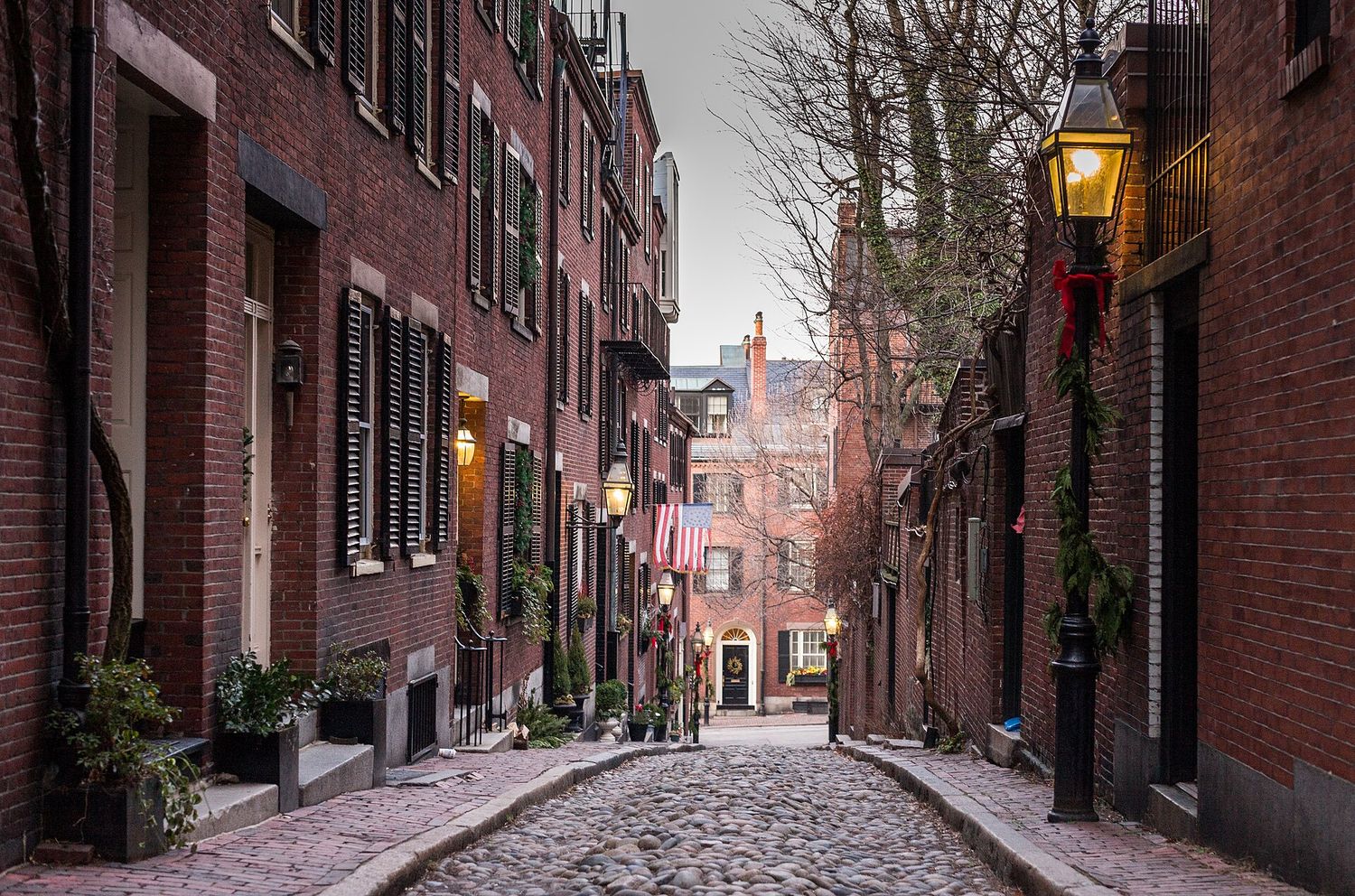
Boston was laid out before cars, and it shows. The streets of Beacon Hill and the North End are narrow and crooked, most of the historic buildings sit within a few minutes of each other, and a vehicle — any vehicle — sees them from the wrong angle and at the wrong speed. A good guide on foot will take you into a burying ground, stop you in front of a doorway, point out a bullet mark or a boundary stone, and answer questions. That is not something a trolley can do.
Walk Into History — the Freedom Trail, guided
The Freedom Trail Foundation’s own tour is led by guides in eighteenth-century costume, each playing a character from the period. It costs $17 for adults, $15 for seniors and students and $8 for children aged 6 to 12, runs about ninety minutes and covers eleven of the trail’s sixteen official sites. Tours leave from Boston Common at 10am, 11am, noon, 1pm and 2pm daily.
It is the best-value paid tour in Boston, and the reason is simple: in ninety minutes it gives you the story that ties the sites together, and then leaves you at the point where you can carry on alone. After it, walk the rest of the trail yourself — across to the North End for the Paul Revere House and Old North Church, then over the Charlestown Bridge to USS Constitution and Bunker Hill. Our full Freedom Trail guide walks every stop in order.
National Park Service rangers — free
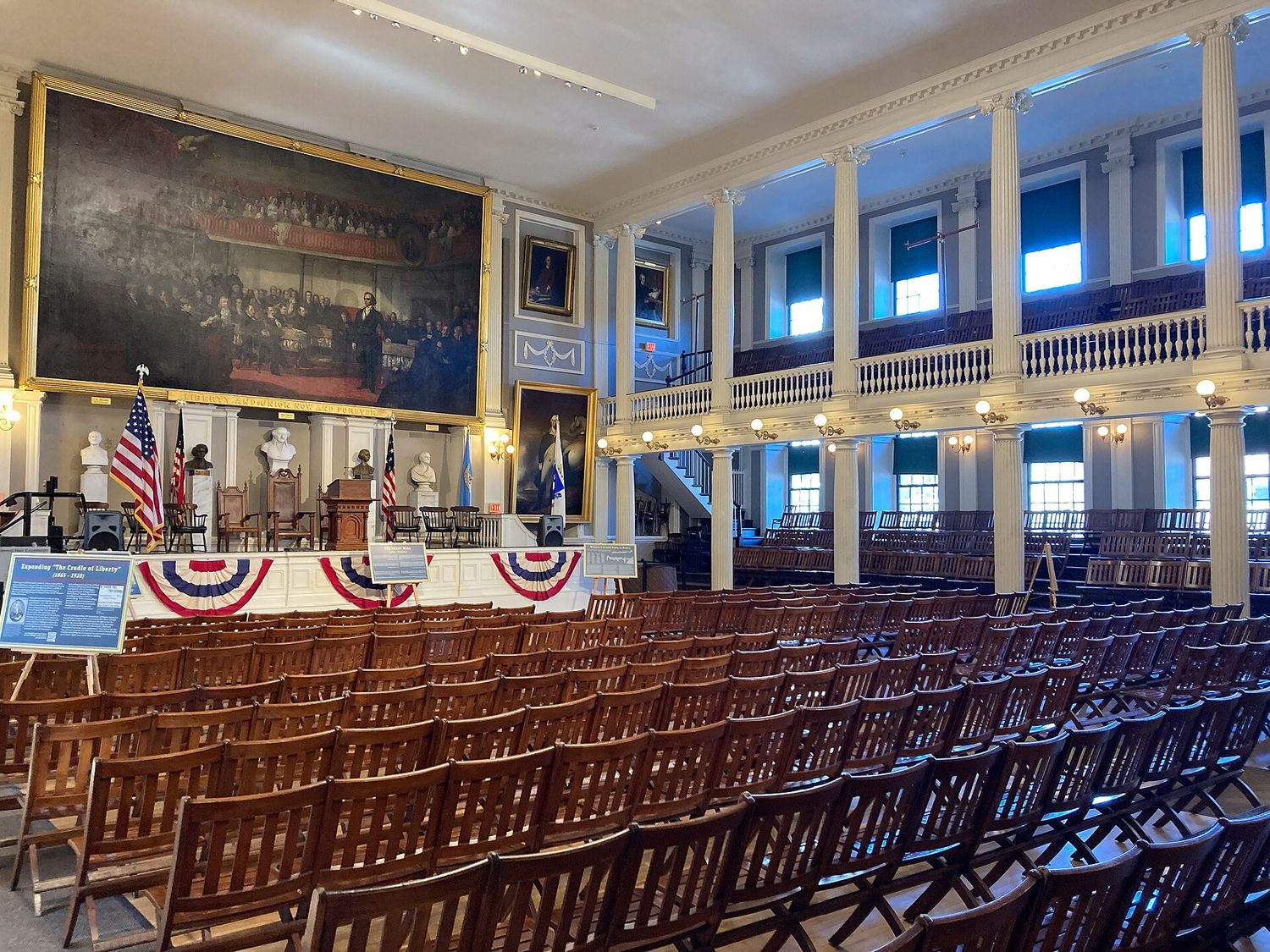
Most visitors walk straight past the best free tour in the city. Boston National Historical Park runs ranger programs from the visitor center at Faneuil Hall, and in the Great Hall upstairs rangers give short talks about the building and the town meetings that earned it the nickname “the Cradle of Liberty”. The talks are free, they are short enough to fit into any day, and they are delivered by people whose job is the history rather than the entertainment. Check nps.gov/bost for the day’s schedule.
The Park Service also leads the Black Heritage Trail on Beacon Hill, a 1.6-mile route past the homes, schools and churches of the nineteenth-century free Black community, ending at the African Meeting House, the oldest surviving Black church building in the country. Ranger-led walks run free in season; check nps.gov/boaf for dates.
Boston by Foot
Boston by Foot is a nonprofit educational organization whose tours are led by trained volunteer docents, and it is the tour to take if you care about buildings and streets as much as the Revolution. Its public program includes the Heart of the Freedom Trail, Beacon Hill, the Road to Revolution, the North End as Boston’s immigration gateway, a Dark Side of Boston tour of crime and scandal, and Boston by Little Feet for children. The organization books through its own website; prices and the seasonal schedule are listed there rather than on its home page, so check before you plan around a particular day.
Tip-based and food tours
Several companies run “free” walking tours where you pay what you think the guide was worth at the end. Quality varies with the guide, and you should budget a real tip — these guides are working for it. North End food tours are also popular and can be fun, but be honest with yourself about what you are paying for: a guide walking you between pastry shops, an Italian deli and a pizzeria you could find on your own. A do-it-yourself cannoli comparison between Mike’s Pastry and Modern Pastry on Hanover Street costs a few dollars and settles a very old Boston argument. Our guide to Boston food and restaurants has the rest of the list.
Hop-on hop-off trolleys
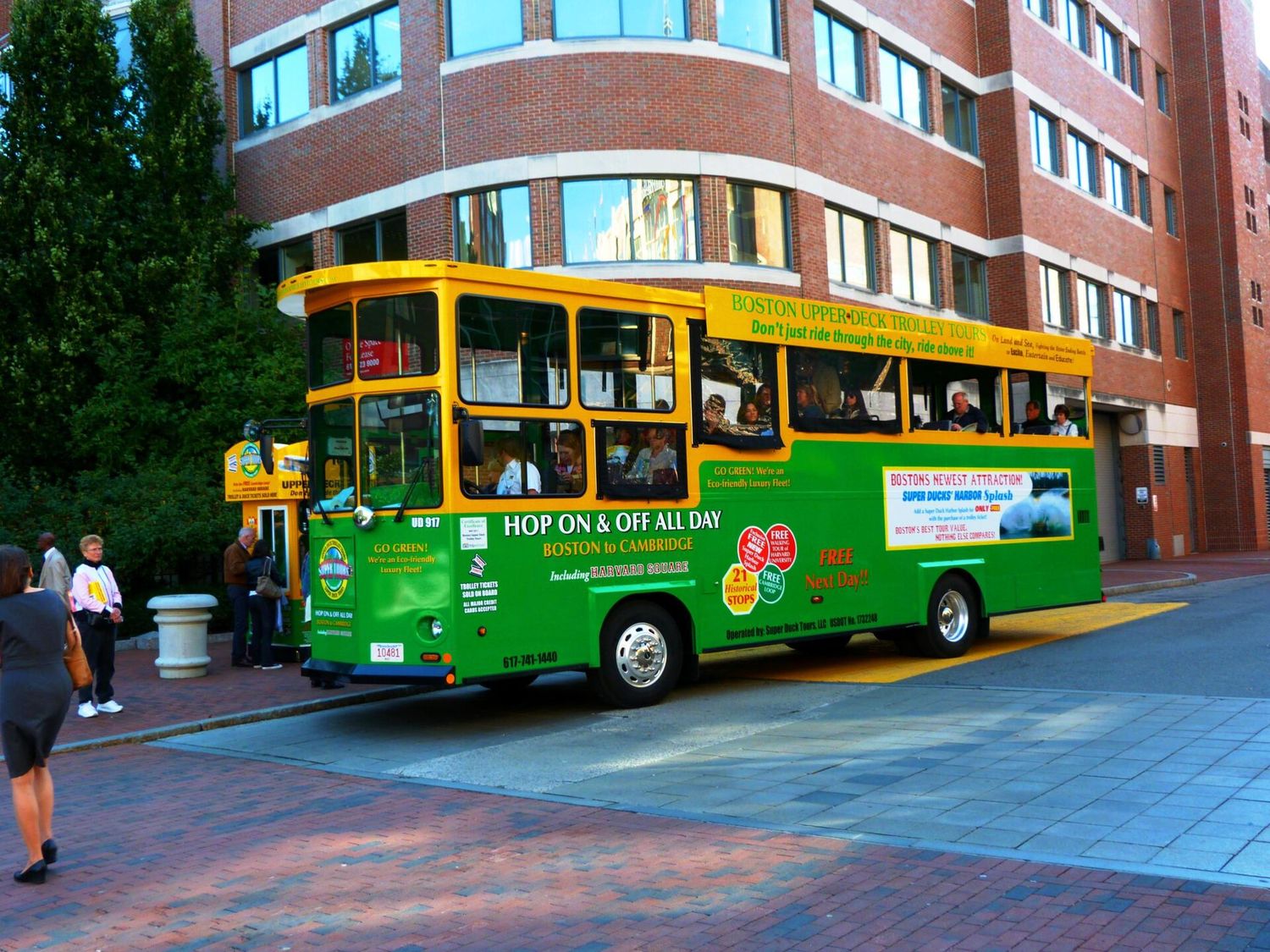
The biggest operator is Old Town Trolley Tours, the orange-and-green trolleys you will see all over the center. Its main City Tour runs a 13-mile loop with 17 stops, and a full circuit without getting off takes about two hours. Trolleys run from 9am, with the last City Tour departure leaving stop 1 at 4pm. The service operates 362 days a year, closing only on the third Monday in April (Patriots’ Day, when the Marathon closes the roads), Thanksgiving and Christmas. There is also a 30-minute Back Bay loop and a 30-minute shuttle loop serving Seaport hotels.
A one-day ticket is from $44.20 when bought online, which the operator describes as a 15% saving on the walk-up price; a two-day ticket is from $89. Tickets come with discount vouchers for other attractions — $10 off a harbor cruise, $10 off Ghosts & Gravestones and $6 off the Boston Tea Party Ships at the time we checked.
Is the trolley worth it?
For most visitors, no, and it is worth being clear why. Hop-on hop-off buses make sense in cities where the sights are miles apart — London, Rome, Washington. In Boston the Public Garden and the North End are about a thirty-minute walk apart, and most of the Freedom Trail’s sixteen sites are within a few minutes of each other. You will spend more time waiting at trolley stops than you would walking between them. An MBTA one-day pass costs $11 and covers the subway, buses and the Silver Line all day.
There are good exceptions, though:
- Anyone who cannot walk three to five miles in a day. For older travelers, people with mobility problems, or families with a very young child, the trolley turns the historic core into something manageable.
- Cold or wet days. Boston in November is raw. A trolley that lets you hop between the Old State House, the North End and Charlestown without long exposed walks has real value then.
- Charlestown. The walk out to USS Constitution and the Bunker Hill Monument and back adds a couple of miles; the trolley, or the MBTA ferry from Long Wharf, saves them.
If you do buy, start early. The last departure is 4pm, and it is easy to hop off at stop three, lose an hour in a museum and find you can no longer finish the loop.
Boston Duck Tours
The amphibious Ducks are the most famous tour in the city: an hour of narrated driving through Back Bay, Beacon Hill and downtown, then a splash down a ramp into the Charles River for twenty minutes on the water. The base fare is $57 for adults and $42 for children aged 3 to 11, but a 5% Convention Center Fee and a $2 online booking fee take an adult ticket to about $62. Tours leave from the Prudential Center, the Museum of Science and the New England Aquarium, and run from late March until around the end of November.
It is terrific for families with children between four and twelve, and good for anyone who finds walking hard. For history-minded adults it is a lot of money for a few facts between jokes. Our full guide to Boston Duck Tours works through the route, the fees, the three departure points and who should skip it.
Harbor cruises
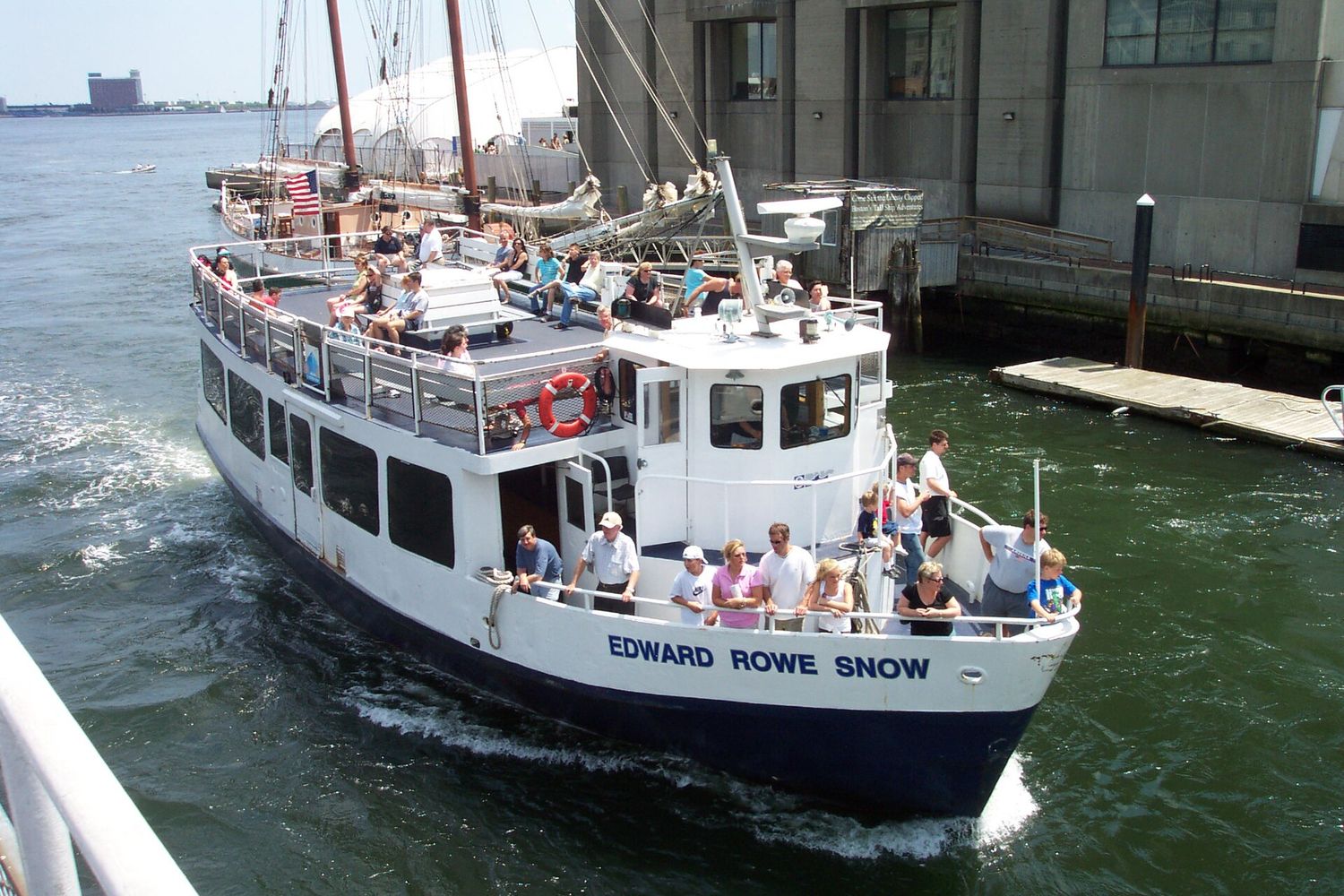
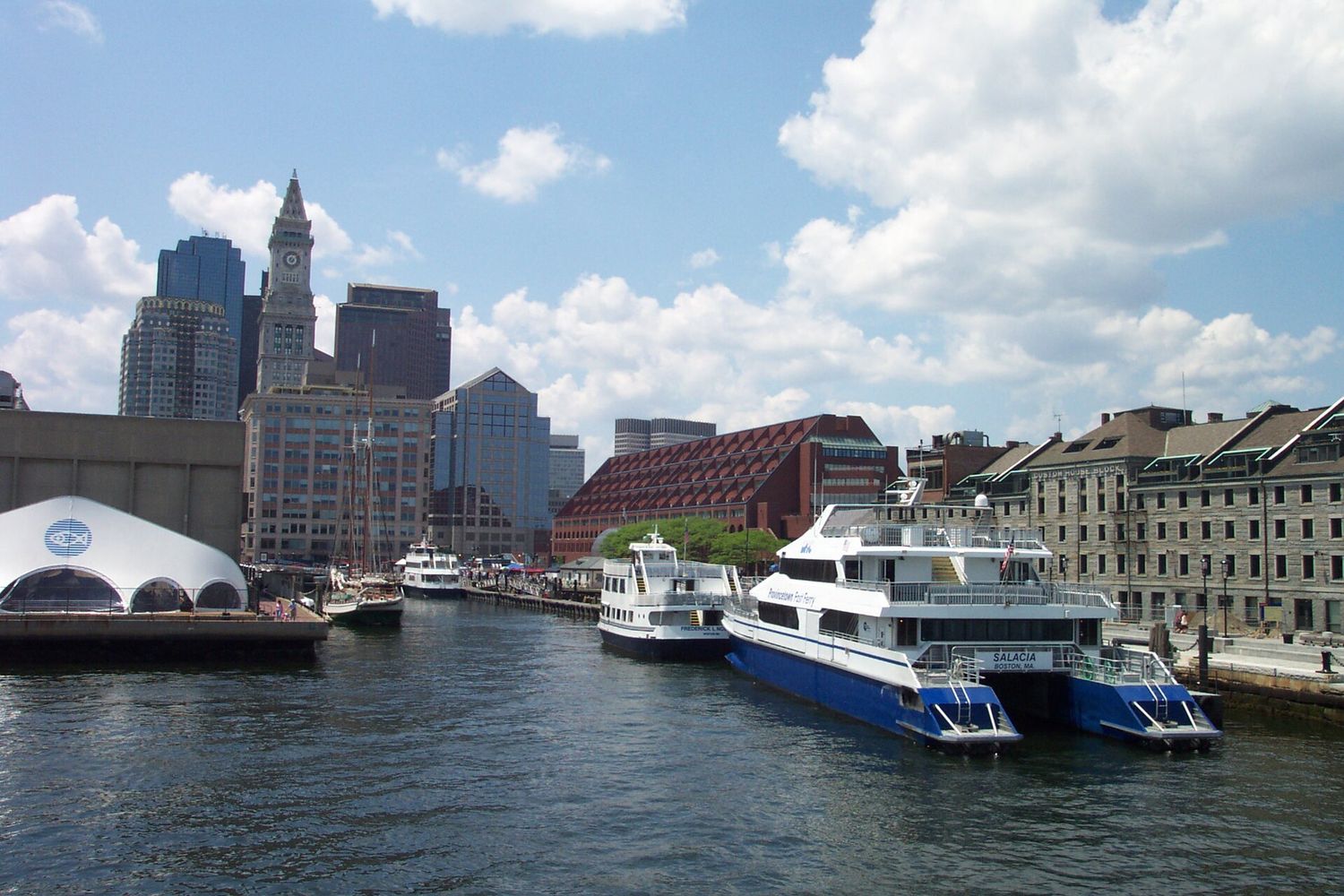
The main operator on the downtown waterfront is Boston Harbor City Cruises, which runs a Historic Harbor Cruise, a Sunset Sightseeing Cruise, the Aquarium’s whale watches, a high-speed thrill boat called Codzilla, the Boston Harbor Islands ferry and the fast ferry to Provincetown. Prices vary by product, date and time, so check the current fare on cityexperiences.com before you go. A harbor cruise is one of the seven choices on the Boston CityPASS, which is the cheapest way to fit one in if you were buying the pass anyway.
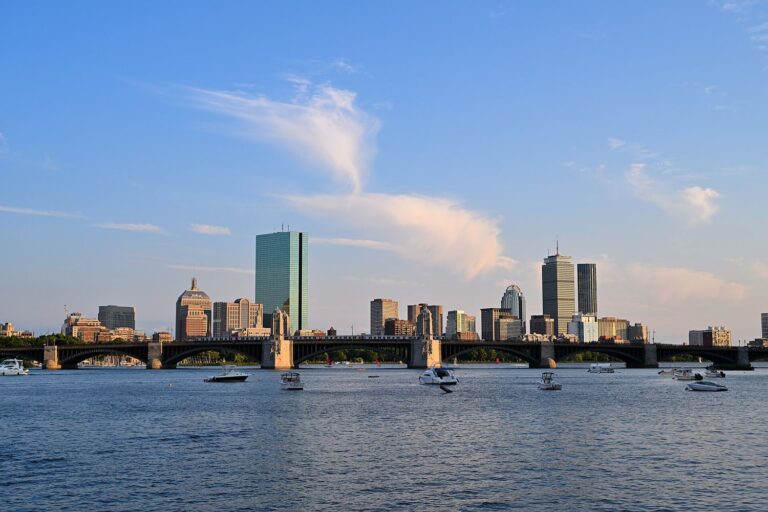
A narrated harbor cruise is pleasant on a clear afternoon: the skyline from the water, the Charlestown Navy Yard, the airport, the outer harbor. What it is not is essential, because two cheaper boats show you much of the same.
- The MBTA ferry to Charlestown. The commuter ferry from Long Wharf to the Navy Yard takes about ten minutes, costs a standard MBTA ferry fare and lands you right next to USS Constitution. There is no commentary, but the view back to downtown is the same one the tour boats sell.
- The Harbor Islands ferry. $25 round trip for adults and $18 for children aged 3 to 11, from Long Wharf North to Georges Island and Fort Warren. This is the best boat trip in Boston by some distance — you get a proper crossing of the harbor and a Civil War fort to explore at the other end. The season is short, though: the last public ferries of 2026 run over Indigenous Peoples’ Day weekend, 10–12 October. Our guide to Boston Harbor and the islands covers every island and ferry.
Dinner and brunch cruises are a separate category. You are paying for the setting, and the food on large party boats is usually banquet catering. If the view is the point, a sunset cruise followed by dinner on land will usually be better and cheaper.
Whale watching
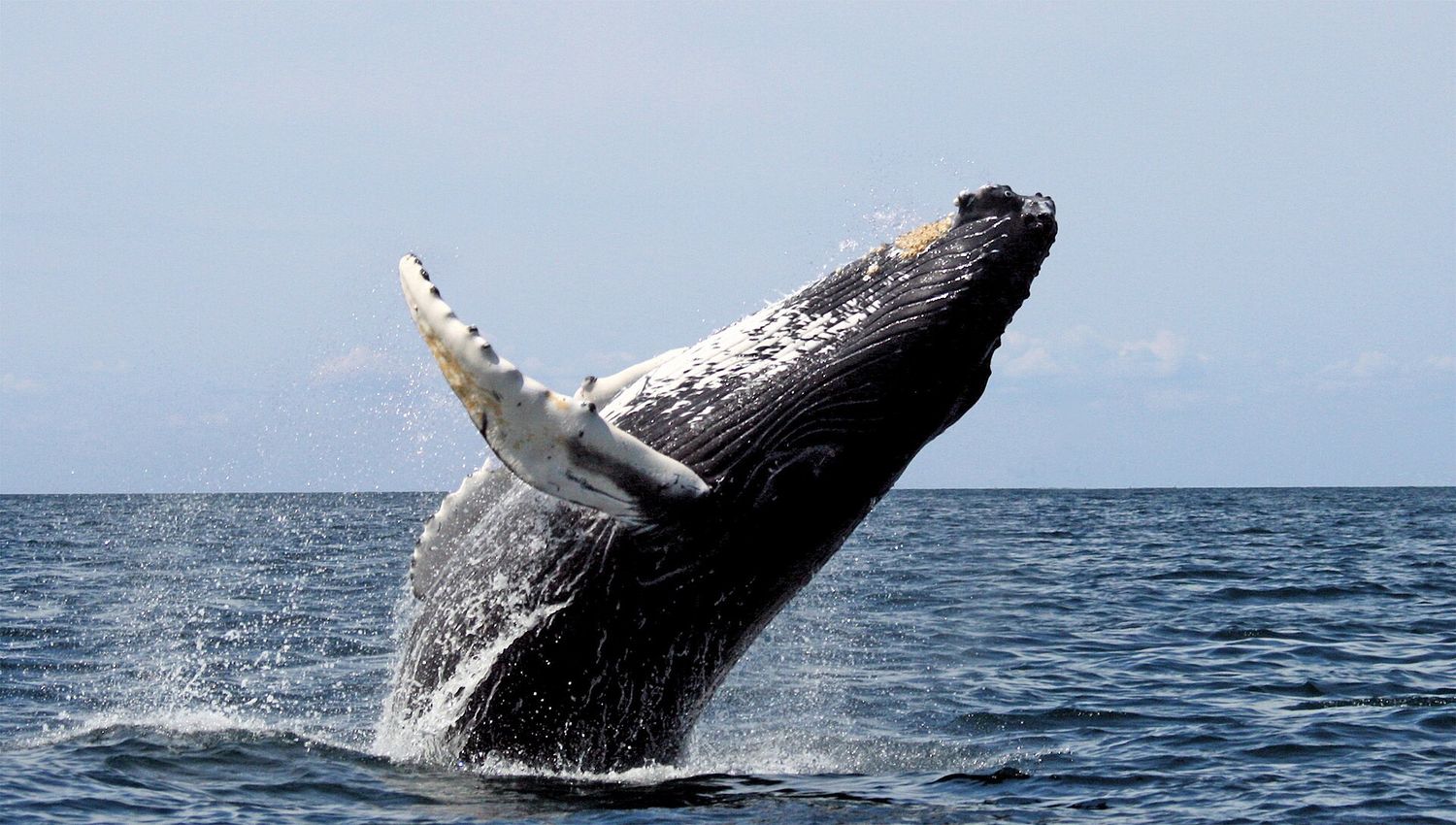
This is the one paid tour in Boston that can show you something genuinely unforgettable. Whale watches run by City Cruises in partnership with the New England Aquarium leave from the Aquarium’s dock at Central Wharf, roughly from April to November, and head about thirty miles out to Stellwagen Bank, an underwater plateau at the mouth of Massachusetts Bay that has been a national marine sanctuary since 1992. The trip takes three to four hours. Humpbacks are the headline, often with finback and minke whales, dolphins and seabirds, and the Aquarium’s naturalists do the commentary.
Be realistic about what you are signing up for. It is a long time on a boat, much of it the ride out and back, and the open water beyond the harbor can be rough. If you are prone to seasickness, take something before you board, not after. It is always colder offshore than on the dock — even in August, bring a warm layer and a windproof jacket. Children under about six may find the long transit tedious. Ask when you book what happens if no whales are sighted, since policies on vouchers vary. Current prices are on the New England Aquarium and City Cruises sites.
Early October is a very good time to go: the crowds of summer are gone, and the whales are often still feeding on the bank before they head south.
Specialty tours
Ghost tours
Old Town Trolley’s sister product, Ghosts & Gravestones, is an evening tour mixing a trolley ride with a guided walk through old burying grounds, led by a costumed “gravedigger”. It is from $37.40 online; a walking-only Nightwalk version is from $27.85. It is theatrical and good fun, especially in October, when the city leans into Halloween and Salem’s Haunted Happenings runs all month. Just know that the Granary and King’s Chapel burying grounds on the Freedom Trail are free to walk around in daylight, with Paul Revere, John Hancock and Samuel Adams among the graves.
Campus tours
Harvard runs its own free student-led tours from the Harvard Information Center in the Smith Campus Center; they last 45 to 60 minutes, require advance registration and cap parties at five. Several companies sell paid “Harvard tours” in Harvard Square — these are not the university’s own tour, and they are not what you need unless you want a specific angle. MIT’s public walking tours, by contrast, are run by a third party and are not free. Our Cambridge and Harvard guide covers both campuses.
Inside the buildings
Some of the best tours in Boston are free tours of single buildings:
- Massachusetts State House: free guided tours on weekdays, roughly 10am to 3:30pm, meeting in Doric Hall. The building is closed at weekends, so a Saturday Freedom Trail walk only sees the outside.
- Boston Public Library, McKim Building: free art and architecture tours most days, taking in Bates Hall and the Sargent murals.
- USS Constitution: free, and shown to you by the active-duty Navy sailors who crew her. Adults need photo ID.
- Fenway Park: not free — $30 for adults and $21 for children aged 3 to 12 — but the hourly tours from Gate D on Jersey Street are among the best guided hours in the city, even for people who do not follow baseball. See our Boston sports guide.
Day tours out of the city
Coach tours sell Salem, Plymouth, Lexington and Concord from Boston. Before you book one, check the train: Salem is about thirty minutes by commuter rail from North Station, and in October the MBTA adds extra weekend services for Haunted Happenings. Rockport is about an hour by train. A coach tour earns its fee for Lexington and Concord, which are awkward without a car, and for travelers who would rather not manage the logistics. Our guide to day trips from Boston sets out how to reach each one.
The free guided options, in one place
| Tour | Where | When |
|---|---|---|
| NPS ranger talks | Faneuil Hall Great Hall | Most days; check nps.gov/bost |
| Black Heritage Trail walk | Beacon Hill, 1.6 miles | In season; check nps.gov/boaf |
| State House tour | Doric Hall, Beacon Street | Weekdays, about 10am–3:30pm |
| Art and architecture tour | Boston Public Library, Copley Square | Most days |
| USS Constitution | Charlestown Navy Yard | Check opening days; photo ID for adults |
| Harvard student-led tour | Smith Campus Center, Harvard Square | Daily; advance registration required |
String three or four of these together and you have a full guided day that costs nothing but the T fare. Our guide to free things to do in Boston builds exactly that.
What to skip
- The trolley, if you can walk. It is the most commonly bought tour that most people do not need.
- The Duck, if you are two adults on a budget. About $124 for the pair buys a guided Freedom Trail walk and the $33 Boston 250 Pass for both of you, with enough left over for pizza and cannoli in the North End.
- Stacking tours on one day. A trolley, a Duck and a harbor cruise on the same day show you the same buildings three times from three vehicles.
- Coach tours to Salem. The train is thirty minutes and far cheaper.
- Tours bought from street sellers without checking the operator. Buy direct, or at least know which company you are paying.
Which tour for which traveler
One day, first time
Walk Into History at 10am, then finish the Freedom Trail on your own to Charlestown, and take the MBTA ferry back to Long Wharf. Total cost for an adult: $17 plus a ferry fare and whatever you choose to go inside.
Families with young children
The Duck tour is the one to book, then the Aquarium or the Museum of Science. Save the Freedom Trail for the costumed Walk Into History guide, who holds children’s attention better than a guidebook. More in our guide to Boston with kids.
History enthusiasts
Walk Into History or Boston by Foot on day one, the NPS rangers at Faneuil Hall, the Black Heritage Trail, and the Boston 250 Pass to get inside the five key sites. No vehicle tours at all.
Limited mobility
A trolley day, with stops at the Old State House, the North End and Charlestown, plus a Duck if you want the river. Duck Tours runs wheelchair-accessible vehicles from all three departure points; ask the trolley operator about boarding and wheelchair space when you book.
Nature lovers
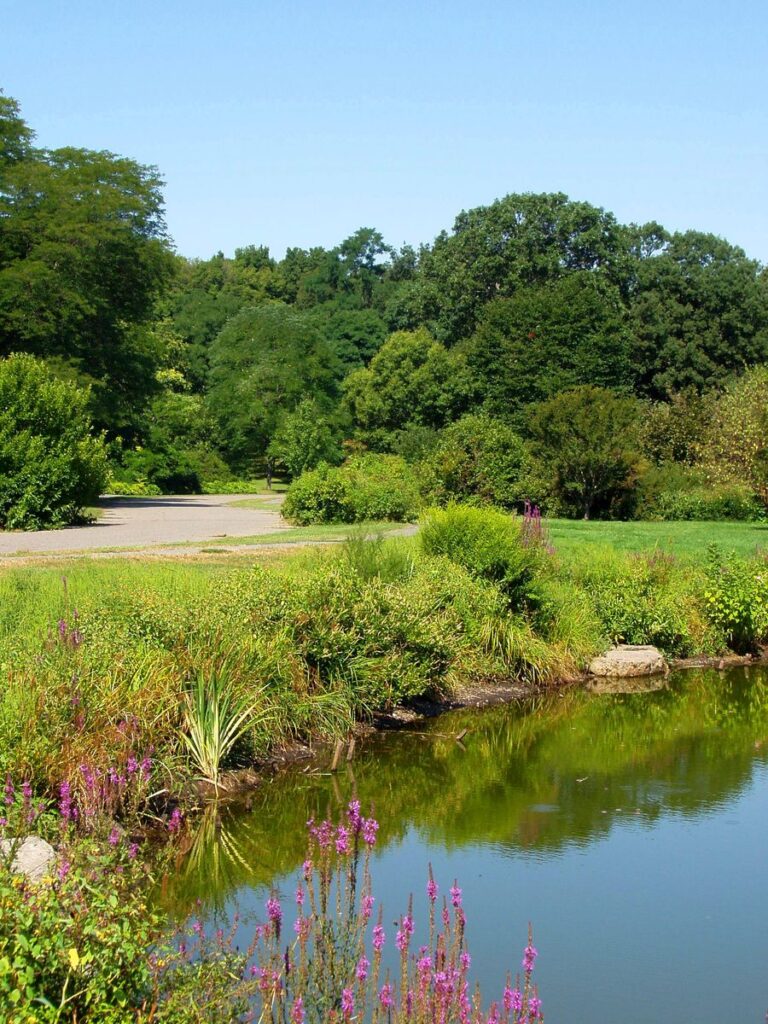
The whale watch, and the Harbor Islands ferry while it is still running. In spring and summer, add the Arnold Arboretum and the Emerald Necklace, which you can walk for free.
Which tours run when
| Tour | Season |
|---|---|
| Freedom Trail (self-guided) | Year-round |
| Walk Into History | Daily departures; check winter schedule |
| Old Town Trolley | 362 days a year |
| Boston Duck Tours | Late March to around the end of November |
| Whale watches | About April to November |
| Harbor Islands ferry | Mid-May to Indigenous Peoples’ Day weekend |
| Harbor sightseeing cruises | Seasonal; check operator |
Between December and March the water tours stop, and walking tours shrink their schedules. That still leaves the trolley, the free building tours and the museums — and a Freedom Trail walk in snow, which is beautiful if you dress for it. Our guide to the best time to visit Boston covers each month.
Booking tips
- Buy direct. Operator sites usually have the best price — Old Town Trolley’s online fare is 15% below its walk-up price — and the clearest cancellation terms.
- Read the fees. Duck Tours adds 5% plus a booking fee; other operators have their own. Compare the total, not the headline.
- Check what a pass covers before you buy it. CityPASS includes one harbor cruise option but no Freedom Trail sites, no trolley and no Duck. Go City lists more than forty attractions; make sure the tours you want are on it.
- Tip good guides. On walking tours especially, it is customary and deserved.
- Plan around the weather. Water tours cancel in storms; walking tours usually go ahead in rain. Boston rain is often sideways, so a hood beats an umbrella.
Boston sightseeing tours: frequently asked questions
What is the best sightseeing tour in Boston?
For most visitors, a guided Freedom Trail walk. The Freedom Trail Foundation’s Walk Into History tour costs $17 for adults, lasts ninety minutes and covers eleven of the sixteen sites, after which you can finish the trail on your own. For nature, the whale watch from Central Wharf is the standout.
Is the hop-on hop-off trolley worth it in Boston?
Only for travelers who find walking hard, or on cold, wet days. The historic core is compact enough to walk, and an $11 MBTA day pass covers the rest. Old Town Trolley’s one-day ticket starts at $44.20 online.
Are there free tours in Boston?
Yes. National Park Service rangers give free talks at Faneuil Hall and lead the Black Heritage Trail in season; the Massachusetts State House runs free tours on weekdays; the Boston Public Library runs free art and architecture tours; USS Constitution is free to board; and Harvard runs free student-led campus tours with advance registration.
How long does the Old Town Trolley loop take?
About two hours without getting off. The loop is 13 miles with 17 stops, starting at 9am, with the last City Tour departure from stop 1 at 4pm.
When is whale watching season in Boston?
Roughly April to November. Trips leave from the New England Aquarium’s dock at Central Wharf, head about thirty miles out to Stellwagen Bank and take three to four hours.
Do Boston tours run in winter?
Some do. The trolley runs 362 days a year and the free building tours continue, but the Duck tours finish around the end of November, the whale watches stop, and the Harbor Islands ferries end in October.
Should I book Boston tours in advance?
For summer weekends, October and anything with a fixed departure, yes. Booking online is often cheaper, as with Old Town Trolley’s 15% online saving. Free tours like Harvard’s also require registration.
Some of the most popular tours in the city only start after dark. Our guide to Boston ghost tours compares Ghosts & Gravestones, the independent lantern walks and the ghost pub crawls on price, age limits and what you actually get, and sets out a free self-guided route through the burying grounds for anyone who would rather keep the money.
The Freedom Trail has its own crowded market of guided walks, from costumed tours to free ranger programs. Our comparison of Freedom Trail tours sets out what each one covers, what it costs, which parts of the trail none of them reach, and why the Park Service’s free audio tour may be the best value of all.
Related Boston Guides
Book directly with the Freedom Trail Foundation, Boston by Foot or Old Town Trolley Tours, and read about the sanctuary the whale watches visit at stellwagen.noaa.gov.