The single most valuable thing anyone can tell you before a trip here is that the Silver Line bus from Logan Airport into the city is free in the inbound direction — you walk out of arrivals, get on, and nobody takes any money from you. It is the best-value airport transfer in the United States and roughly nobody knows about it. That is the shape of most useful Boston travel tips: not secrets exactly, just things the city assumes you already know and never bothers to put on a sign.
This guide covers arrival and transport, money and tipping, weather and what to pack, tax rules that will surprise you, safety, accessibility, etiquette, the local vocabulary, and the specific mistakes visitors make here. Prices and rules were checked in September 2026; confirm the ones that matter to you, because fares and licensing in this state change more often than you would expect.
Arriving
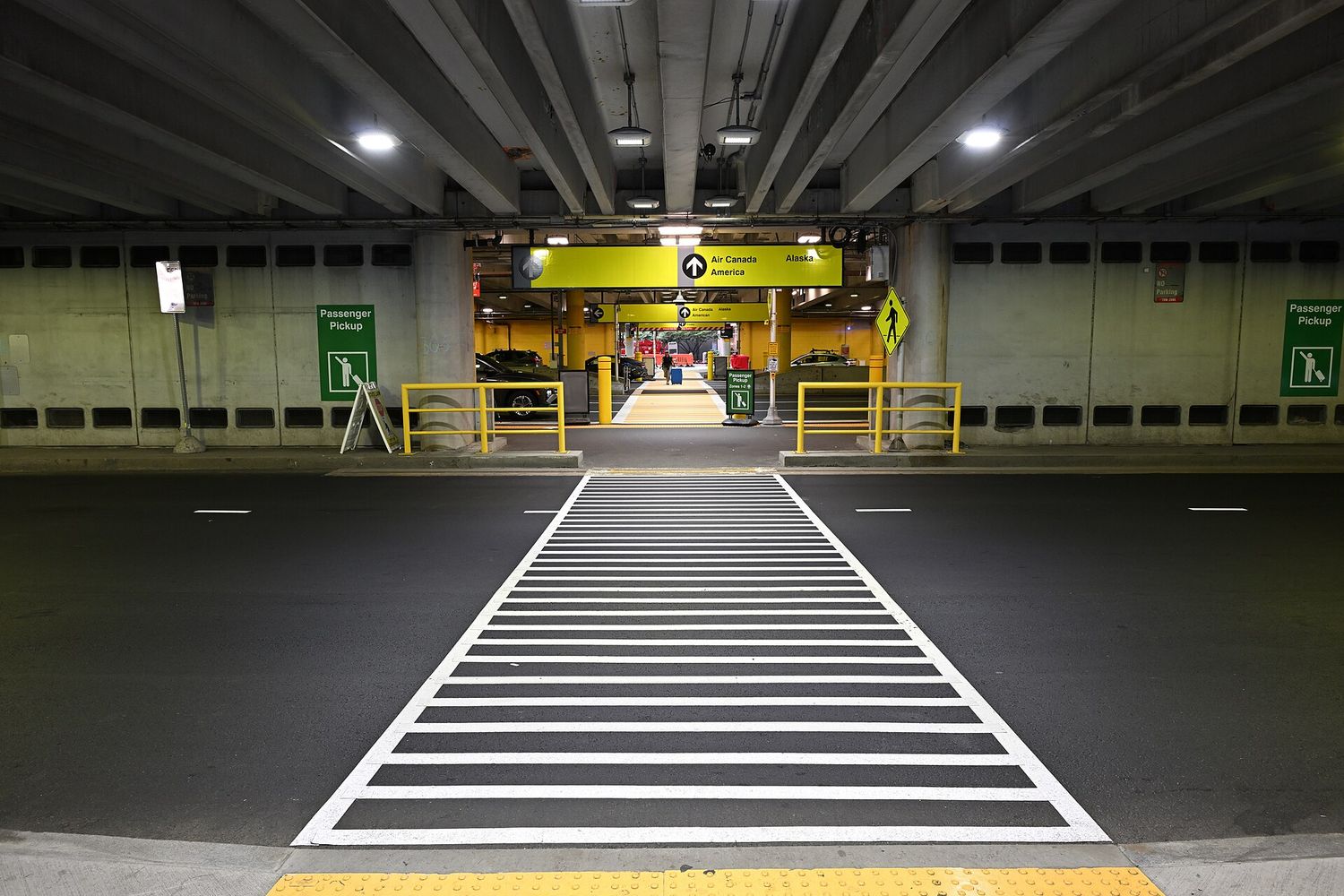
Logan Airport into the city
Logan is unusually close to downtown — about three miles — and there are four sensible ways in.
- Silver Line SL1: free inbound. Picks up at every terminal on the arrivals level and runs to South Station, connecting to the Red Line. You pay nothing coming into the city. Going the other way you pay the $1.70 bus fare. With luggage this is comfortably the best option.
- Blue Line. A free Massport shuttle (routes 22 and 33) from the terminals to Airport station, then a $2.40 subway fare. Massport shuttles run each terminal’s lower-level curb roughly every 10 to 25 minutes, from about 5.30am to midnight. Slightly faster than the Silver Line for East Boston, the North End and downtown.
- Water taxi. On demand from the airport dock to Long Wharf, Rowes Wharf, the Seaport and the Navy Yard. More than a bus, less than a car, and a genuinely good arrival — check the operator is running before you count on it late at night.
- Taxi or rideshare. Fifteen to forty minutes depending on the tunnel, and expensive for what it is. Massachusetts requires children under eight and under 57 inches to be in a child restraint, and rideshare drivers do not carry them — which is another reason the Silver Line solves a problem.
One structural note: Logan’s terminals are separate buildings connected on the airside only in parts. If you need to change terminals, use the free shuttle rather than assuming you can walk it inside.
Arriving by train or bus
South Station handles Amtrak’s Northeast Corridor to New York and Washington and most intercity buses; it is on the Red Line and the Silver Line. North Station handles commuter rail to the north shore and to Maine, and sits underneath TD Garden on the Green and Orange Lines. Back Bay is the other Amtrak stop and is more convenient for hotels in that neighborhood.
The two main stations are not connected to each other by a direct rail link — a long-discussed project that has never been built — so a transfer between them means a short subway ride via Downtown Crossing or Park Street.
Getting around
Fares
| Fare | Price | Note |
|---|---|---|
| Subway single | $2.40 | Same on CharlieCard, contactless or cash |
| Local bus single | $1.70 | Express bus fares now match local bus |
| Reduced fare | $1.10 | Eligibility rules apply |
| 1-day pass | $11.00 | Subway, local and express bus, Silver Line |
| 7-day pass | $22.50 | The obvious buy for a week-long stay |
| Monthly LinkPass | $90.00 | Includes Commuter Rail Zone 1A on a CharlieTicket |
| Commuter rail weekend pass | $10.00 | Unlimited Saturday and Sunday, and some holidays |
From 1 September 2026 the MBTA is piloting unlimited transfers within a two-hour window on the same payment method: you pay for the highest-priced service you use rather than each leg. This materially changes the arithmetic on a bus-then-subway journey. Riders aged 75 and over without a driving license travel free on all modes.
How to pay
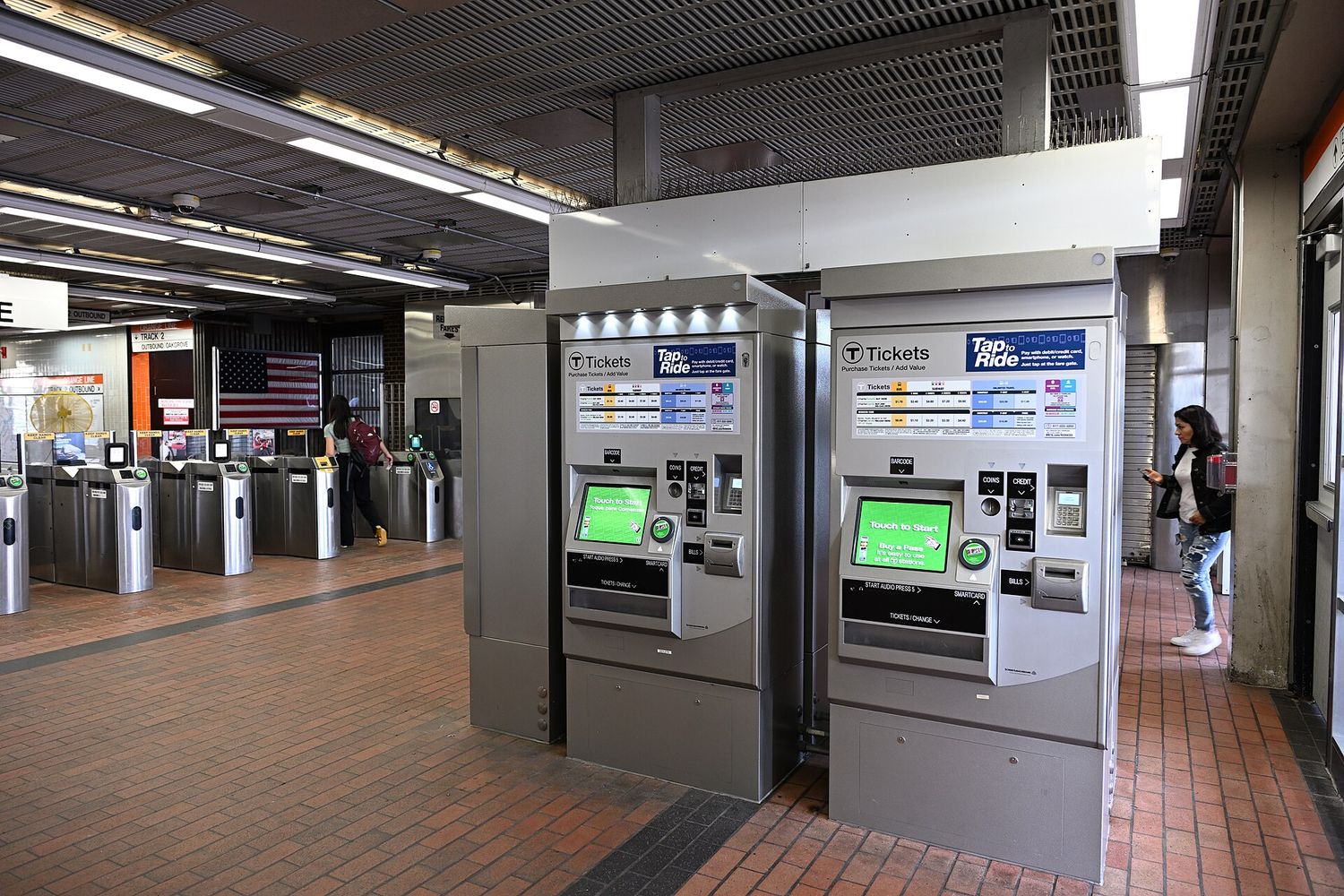
Tap to Ride works on bus, subway and ferry with a contactless debit or credit card, a phone or a watch — tap the Charlie reader at the fare gate or at the door of a bus or street-level Green Line train. There is no need to buy a card at all for a short visit.
The exception that catches people out: contactless tap does not work on the Commuter Rail. Those tickets go through the mTicket app or are bought as paper tickets. If you are taking a train to Salem, Concord or Rockport, sort the ticket before you board.
Fare gates are being upgraded across the system, including hands-free gates and hands-free CharlieCards that can be attached to a lanyard or a bag. Roughly three-quarters of gates have been converted, so you will meet both kinds.
The four lines, and the one that is a bus
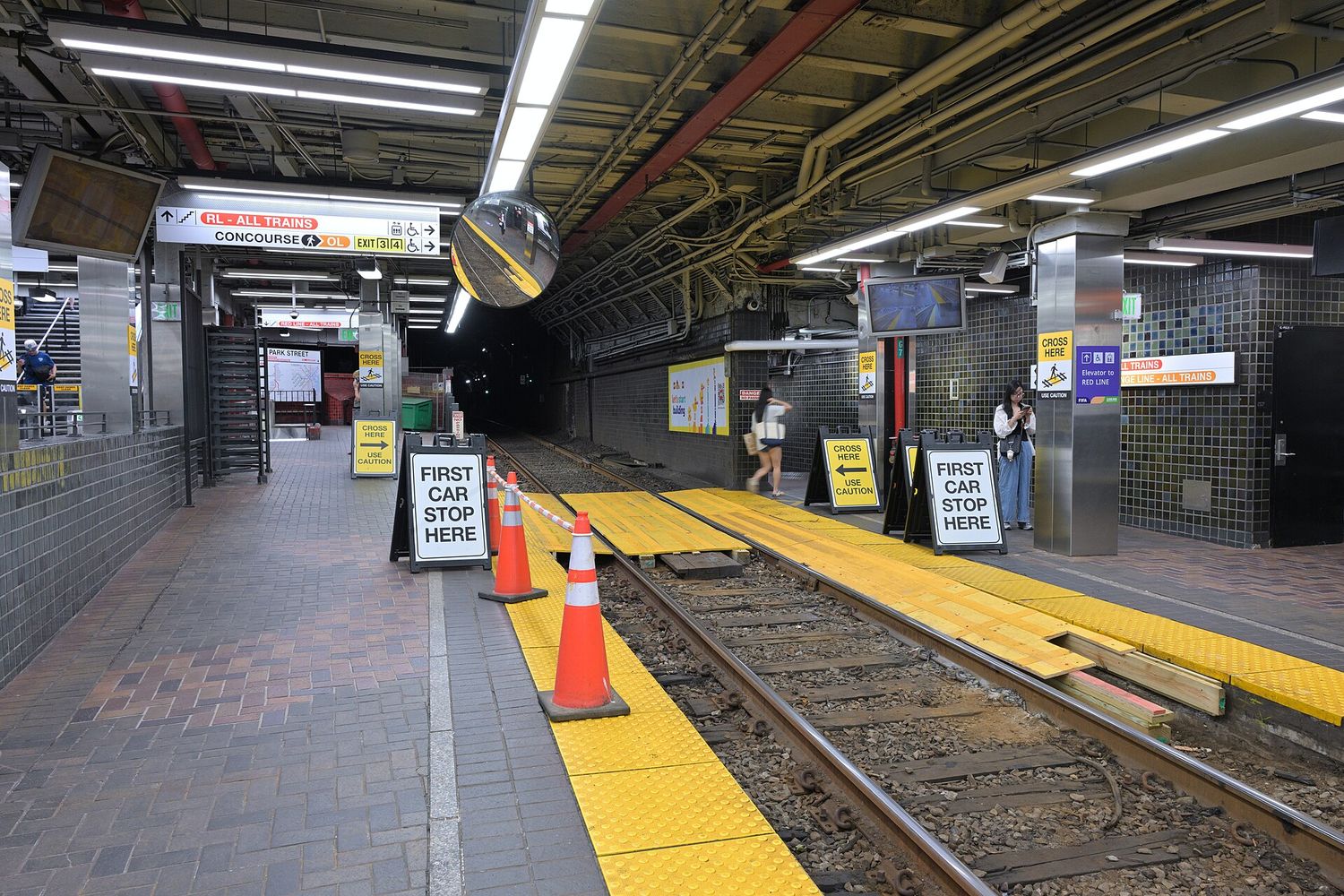
Red, Orange, Blue and Green all cross downtown and interchange there. The Silver Line is a bus, despite being drawn like a subway line on the map, which is a permanent source of visitor confusion. Our getting around Boston guide has the full network detail.
The T is not a 24-hour system. Last trains leave downtown roughly between 12.30 and 1am, and earlier on some branches. This is the single most important operational fact about an evening out here, since last call in bars is 2am. Plan the end of the night before you start it.
Walking, which is usually the answer
The historic core is about three miles end to end, and the Public Garden to the North End is a thirty-minute walk. For a central day, walking beats the T for anything under about a mile — which is most of what a visitor does. Boston is also genuinely confusing on foot: the street pattern predates the grid and does not follow one, so a map is not optional.
Bikes and scooters
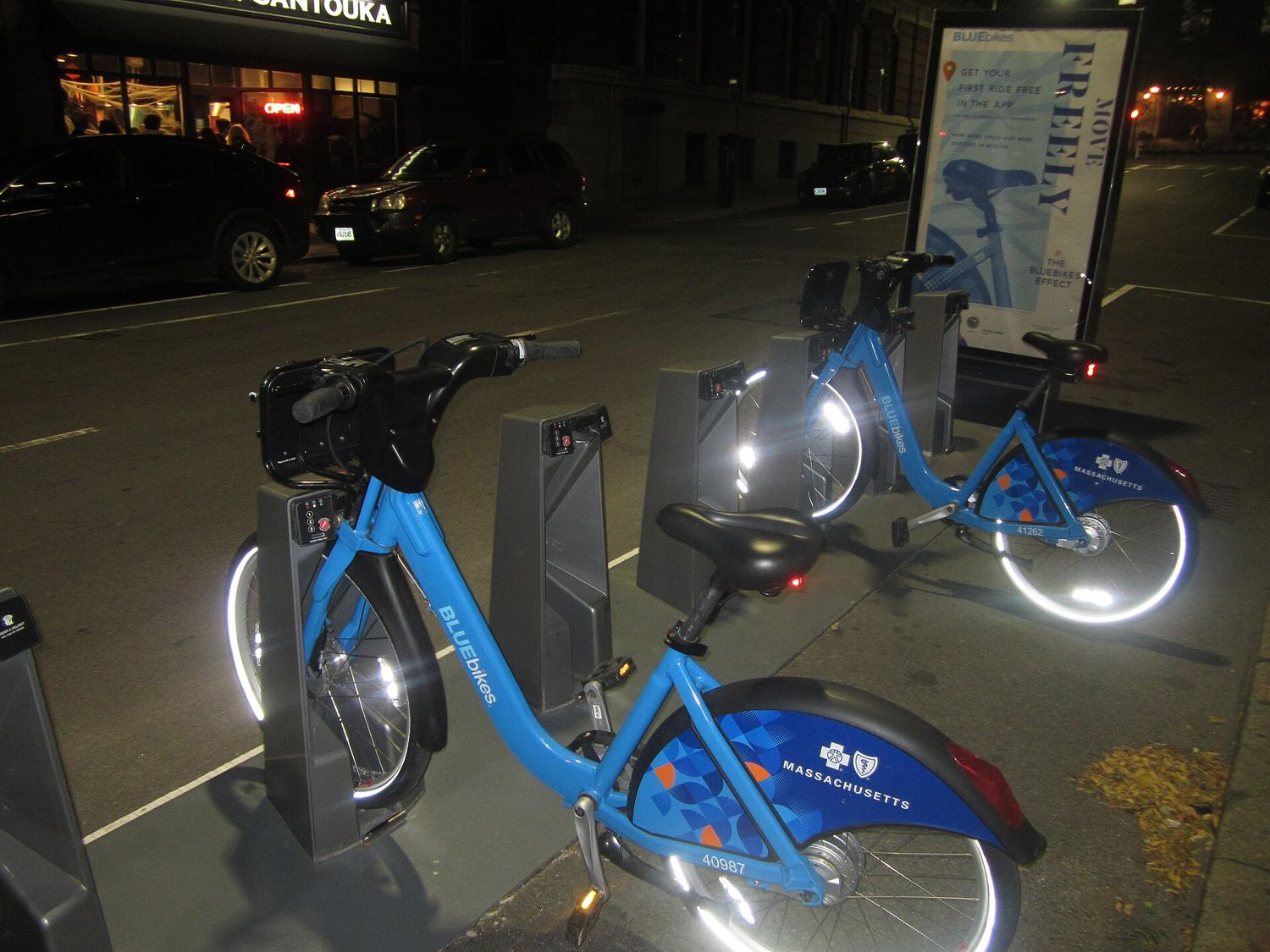
Bluebikes is the regional docked bike share, with stations across Boston, Cambridge, Somerville and Brookline, and single trips and day passes available at any dock. The riverside paths and the Southwest Corridor are genuinely pleasant riding; the main roads are not gentle, and the painted bike lanes are inconsistent. Helmets are not required by law for adults but are worth the trouble here.
Massachusetts requires cyclists to use lights after dark, and the fine is real. Dockless scooters have had a patchy and often prohibited history in Boston proper — check what is currently permitted rather than assuming, because the rules differ between Boston, Cambridge and Somerville.
Money
The tax rules that will surprise you
Three separate rules, and they are all worth knowing before you spend.
Sales tax is 6.25% with no local add-on on general retail. It is added at the register, not shown on the shelf price — a habit that catches visitors from countries with tax-inclusive pricing every single time.
Clothing and footwear are exempt up to $175 per item, and above that only the amount over $175 is taxed. This makes Boston one of the cheaper American cities to buy clothes in, all year. See our shopping in Boston guide for the worked numbers and the August sales tax holiday.
Hotel tax totals 14.95% on the room rate — 5.7% state room occupancy excise, 6.5% City of Boston local excise and a 2.75% Convention Center Financing Fee. A quoted $300 room is a $345 room. Always add it before comparing prices. Downtown overnight hotel parking is charged separately, per night, and is high.
And a rule that does not exist: there is no VAT refund for visitors in the United States. Nothing to reclaim at the airport, no scheme, no forms. Anyone telling you otherwise is describing a different country.
Tipping
| Situation | Expected |
|---|---|
| Restaurant table service | 18–20% of the pre-tax total |
| Bar | $1–2 a drink, or 20% on a tab |
| Taxi or rideshare | 15–20% |
| Hotel housekeeping | $3–5 a night, left daily |
| Hotel porter | $2–3 a bag |
| Counter service and coffee | Optional; the tablet will suggest 20% and you may decline |
| Tour guide | $5–20 depending on length; free walking tours run on tips |
| Retail | Nothing |
The point most international visitors need: tipping in restaurants and bars here is not a bonus for good service, it is how the staff are paid, and it is genuinely expected. Card terminals will present suggested percentages that are frequently calculated on the post-tax total; you are entitled to enter your own number.
Cash and cards
Cards are accepted essentially everywhere, contactless is universal, and you can spend a week here without cash. Two exceptions worth carrying $40 for: Haymarket, the open-air produce market on Fridays and Saturdays, and some of the North End feast stalls in August. A handful of small old restaurants remain cash-only; they will say so at the door.
Weather and packing
| Month | High / low °F | What that means |
|---|---|---|
| January | 37 / 22 | Coldest month. Real winter clothing needed |
| February | 39 / 24 | Snowiest month, averaging around 20 inches |
| March | 46 / 31 | Unreliable. Can be either month either side of it |
| April | 57 / 41 | Layers. The city reopens |
| May | 67 / 50 | Excellent, and graduation season |
| June | 76 / 59 | The best month outdoors |
| July | 82 / 66 | Hottest, and humid in a way northern Europeans underestimate |
| August | 80 / 65 | Same, plus the busiest weeks |
| September | 73 / 58 | Arguably the best month of all |
| October | 62 / 47 | Foliage peaks mid-to-late month in the city |
| November | 52 / 39 | Cold, cheap, quiet |
| December | 42 / 29 | Lit, festive, and dark by half past four |
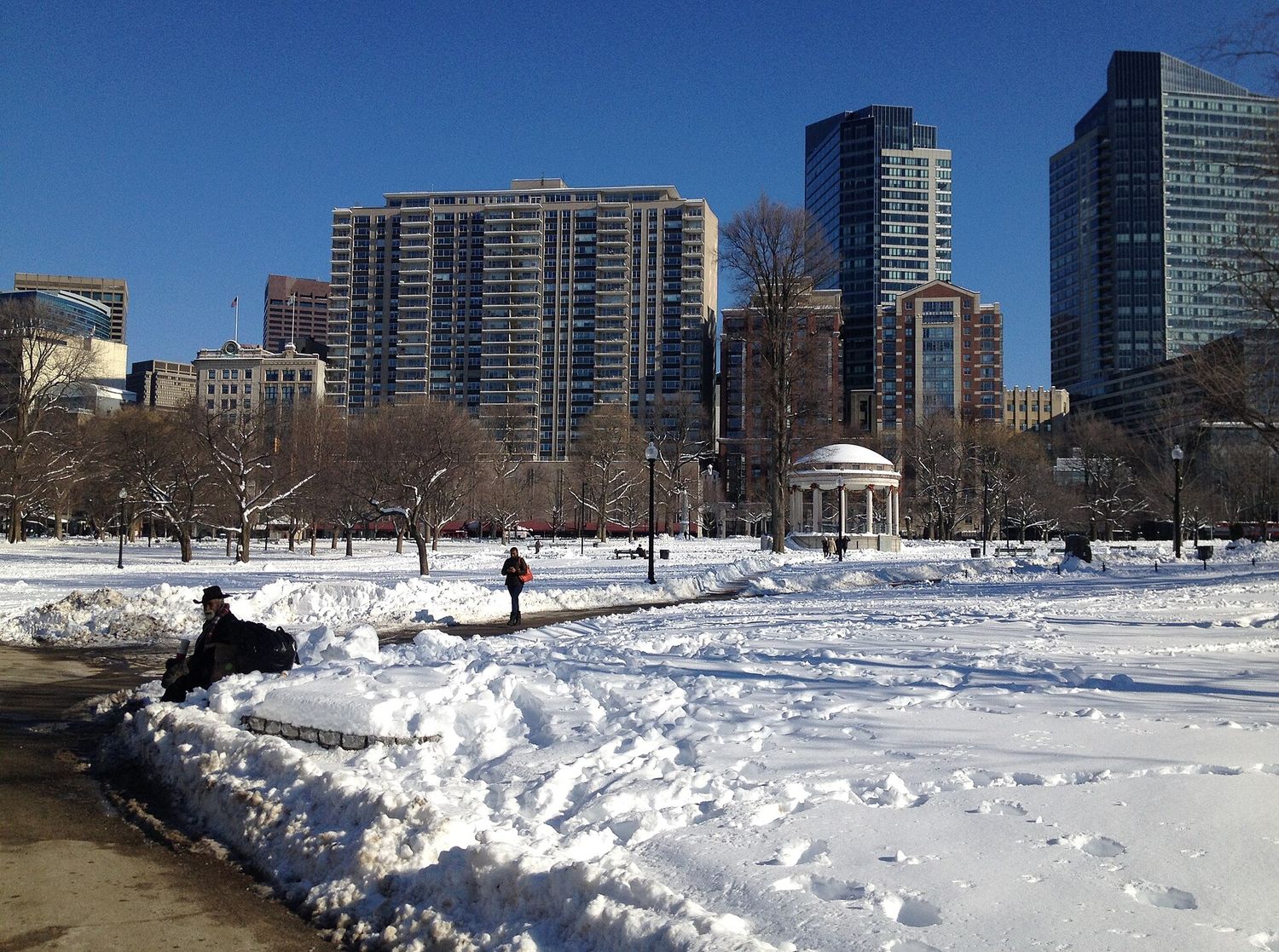
Annual precipitation is about 49 inches and annual snowfall about 57 inches, though the snow figure varies enormously year to year. Rain is spread fairly evenly across the year — there is no dry season, and a week in any month can be wet.
What to pack, in order of usefulness: shoes you can walk five miles in, because you will, and because brick sidewalks that have buckled with tree roots are unforgiving; a waterproof with a hood, because Boston rain is often horizontal and a hood beats an umbrella; layers in every season, because the difference between a sunny sidewalk and a shaded harbor front is substantial; and in winter, actual cold-weather clothing rather than a heavier coat. In July, something for air conditioning that is set far colder than most of the world considers reasonable.
Safety
Boston is a safe city by the standards of large American ones, and the central districts are busy and well lit into the early hours. Ordinary urban sense is sufficient: watch your belongings in crowds around Faneuil Hall and on the Green Line, and be aware that some neighborhoods a mile or two out of the center are less comfortable at night, as in any city.
- Emergency number is 911 for police, fire and ambulance.
- Boston has world-class hospitals in the Longwood Medical Area and downtown. American healthcare is extremely expensive for visitors — travel insurance is not optional, and a walk-in clinic visit can run into hundreds of dollars.
- Pharmacies are widespread and some are 24-hour; many medicines available over the counter elsewhere require a prescription here, and vice versa.
- Crossing the road: Boston drivers are assertive and Boston pedestrians are worse. Jaywalking is effectively a local custom, but the traffic will not stop for you as a matter of course. Look both ways on one-way streets — the street pattern is old enough that your assumptions will be wrong.
- Cyclists use the road, the bike lanes and occasionally the sidewalk. Look before stepping off a curb.
Accessibility
A mixed picture, and worth planning around if it matters.
The T is not uniformly step-free. Most Red and Orange Line stations have elevators; the older Green Line stops in the central subway often do not, and several have narrow platforms and stairs only. Check step-free status on the MBTA’s own site for the specific stations on your route rather than assuming. Buses are low-floor and the ferries are accessible.
The streets vary sharply. Back Bay, the Seaport, the Esplanade and Charles Street are flat and well paved. Beacon Hill and the North End are brick, uneven, narrow and in Beacon Hill’s case steep — genuinely difficult with wheels of any kind, and the historic district’s own preservation rules have made resurfacing contentious for decades.
Attractions are generally good: the major museums, the Aquarium and the Museum of Science are all fully accessible. The Freedom Trail’s historic buildings are a different matter — several eighteenth-century houses have steps and no alternative, and the Bunker Hill Monument is 294 steps with no elevator.
Etiquette, and the local dialect
Boston has a reputation for brusqueness that is about half deserved and entirely misread. People here are direct rather than unfriendly; a short answer is not a rude one, and asking a question in a bar will typically get you a longer answer than you wanted.
- Stand on the right on escalators. Walk on the left.
- Let people off the train first. This is enforced socially and audibly.
- Do not talk about the Yankees unless you mean it, and if you do, commit.
- “Wicked” is an intensifier, not an adjective — wicked good, wicked cold.
- “The T” is the subway. “Packie” is a liquor store. “Bubbler” is a drinking fountain. “Frappe” is a milkshake with ice cream in it; a “milkshake” here may arrive without. “Regular coffee” means with cream and sugar already in it.
- “Southie” is South Boston; the “South End” is a different neighborhood entirely, and confusing them marks you out instantly.
- The Common is singular. It is Boston Common, never Boston Commons.
- Rotaries are what the rest of the country calls traffic circles and the rest of the world calls roundabouts. Yield to traffic already in them, in theory.
Ten mistakes visitors make here
- Eating at Quincy Market. A shopping-mall food court in a magnificent 1826 building, with the North End ten minutes’ walk away. See the building, eat elsewhere.
- Booking a Duck Tour. $57 an adult and $42 a child plus a 5% Convention Center fee and a $2 booking fee, to be driven around a city you can walk across in an hour.
- Arriving on a Tuesday and heading for the Museum of Fine Arts — or the Gardner. Both are closed Tuesdays. The Institute of Contemporary Art closes Mondays. The Boston Children’s Museum closes Tuesdays.
- Promising someone a Swan Boat ride in October. The 2026 season ran 18 April to 7 September. Same for the Harbor Islands ferries, which stop around Indigenous Peoples’ Day weekend.
- Hiring a car. Parking is scarce and expensive, the street layout is genuinely hostile, and everything a visitor wants is on the T or within walking distance. Hire a car for the day you leave the city, not before.
- Buying a pass without doing the arithmetic. CityPASS at $84 pays back over four attractions; Go City’s all-inclusive only rewards a high-volume day. Neither includes anything on the Freedom Trail.
- Assuming the T runs late. It does not. Last trains leave downtown around 12.30 to 1am.
- Underestimating the walk to the Fenway museums. The MFA and the Gardner are not near downtown, and the Museum of Science is on the other side of the river. Plan them as separate half-days.
- Treating Cambridge as a Boston neighborhood. It is a separate city, it deserves a day, and its best parts are not in Harvard Square.
- Reading out-of-date coverage of 2026. Sail250 happened in July 2026 and is over; the 3am bar closing was a summer pilot that ended in July; Gillette Stadium no longer runs public tours. Any guide describing these in the present tense is stale.
Practical odds and ends
- Electricity is 120V, 60Hz, with type A and B plugs. Anything from a 230V country needs a converter as well as an adapter for heat-generating devices.
- Tap water is safe and good — it comes from the Quabbin Reservoir in central Massachusetts and is among the better municipal supplies in the country. Carry a bottle and refill.
- Wifi is free in the Boston Public Library, most cafes, the MIT Welcome Center and many public buildings. Cell coverage is good everywhere including in the subway tunnels.
- Smoking is banned indoors statewide, and cannabis is legal for adults over 21 in Massachusetts but not legal to consume in public — including in parks and on the street.
- Drinking age is 21, ID checks are near-universal regardless of apparent age, and photocopies and phone photos are widely refused. Carry a passport or a physical license.
- Open containers of alcohol in public are prohibited except in specifically designated areas.
- Public restrooms are scarce. The reliable ones: the Boston Public Library, the Prudential Center, Faneuil Hall Marketplace, South Station, the larger museums and the MIT Welcome Center.
- Left luggage is limited. South Station has options; most hotels will hold bags before check-in and after checkout, which is the usual answer.
- Tourist information is at the Boston Common Visitor Information Center at the start of the Freedom Trail, and the National Park Service visitor center at Faneuil Hall.
Where to base yourself, in one paragraph each
The choice matters more here than in a city with 24-hour transit, because the last train leaves before the bars close and the walk home becomes part of the decision.
- Back Bay — flat, walkable, on the Green and Orange Lines, close to the Public Garden and the Esplanade. The safe default, and expensive.
- Downtown and the waterfront — you can walk to the Freedom Trail, the harbor and the North End. Older buildings, smaller rooms, noisier at night.
- The North End — the best position in the city and the smallest rooms in it.
- Seaport — newest and largest rooms, harbor views, the free Silver Line straight from Logan. Windy, charmless, and a walk from the historic core.
- The South End — residential, quiet, the best restaurants. Few hotels.
- Cambridge — more room for the money and a good food scene, fifteen minutes from downtown on the Red Line. The late-night ride back is the catch.
- Brookline and the outer neighborhoods — more space, lower rates, and daily journeys that add up over a week.
Whatever you pick, add the 14.95% hotel tax before comparing, and check parking separately if you are driving. Our where to stay in Boston guide has the detail.
Booking: what to reserve in advance and what not to
Boston is a low-friction city for spontaneity, with a few exceptions.
Book well ahead: hotels for Marathon weekend in April, the graduation two weeks in mid-to-late May, and Head of the Charles weekend in October; a restaurant table for a Friday or Saturday anywhere good; Fenway Park tours in summer; the free Harvard campus tour, which requires advance registration and caps parties at five; and Peddocks Island camping, which opens for reservations in March.
Book a few days ahead: Harbor Islands ferry tickets in peak summer, timed entry at the New England Aquarium, the Boston Tea Party Ships, and anything at the Museum of Science on a school holiday.
Do not bother booking: the Freedom Trail, which is free and always open; Harvard Yard; the Harvard Art Museums; the Boston Public Library; USS Constitution; the Arnold Arboretum; or any of the walks on this site. Most of the best of Boston needs no reservation and no ticket.
What is closed when
| Closed | What |
|---|---|
| Mondays | Institute of Contemporary Art |
| Tuesdays | Museum of Fine Arts, Isabella Stewart Gardner Museum, Boston Children’s Museum, Harvard Art Museums |
| Weekends and holidays | The Massachusetts State House building and its free tours — weekdays only, roughly 8.45am to 5pm |
| Sept to mid-April | Swan Boats — 2026 season ran 18 April to 7 September |
| Nov to mid-May | Harbor Islands ferries — 2026 service ran mid-May to Indigenous Peoples’ Day weekend |
| Dec to late March | Boston Duck Tours — roughly late March to the Sunday after Thanksgiving |
| April to mid-Nov | Frog Pond skating — the rink runs mid-November to March |
| Thanksgiving and Christmas Day | Most attractions and the great majority of restaurants |
This table causes more disappointment in Boston than anything else on this page. Check the day of the week and the season before you commit to a plan, particularly for the Tuesday museums.
How long to stay, and when
Three days covers the Freedom Trail, one major museum, the waterfront and the North End without rushing. Four adds Cambridge or a second museum. Five or more lets you add a day trip — Salem, Concord, Plymouth or Rockport are all reachable by train — without cutting anything.
When to come: late September and October for the best weather and the foliage; June for long evenings before the July crowds; January and February for the lowest prices, if you can handle the cold. Avoid Marathon weekend in April and the graduation two weeks in mid-to-late May unless that is why you are coming, because the hotels fill and the rates double. Our best time to visit Boston guide has the month-by-month detail.
Budgeting a Boston trip
Boston is an expensive American city and the room is what makes it one. Here is a realistic daily figure per person, excluding flights, at September 2026 prices.
| Style | Bed | Food | Transport | Attractions | Per person per day |
|---|---|---|---|---|---|
| Frugal | $60–90 (hostel or shared, plus 14.95% tax) | $35 (market lunch, casual dinner) | $3 (mostly walking) | $0–10 (the free tier) | ~$100–140 |
| Moderate | $140–200 (mid-range hotel, plus tax) | $70 (cafe lunch, restaurant dinner) | $3–11 | $25 (one paid attraction) | ~$240–310 |
| Comfortable | $250–400 (good hotel, plus tax) | $120 (two proper meals, drinks) | $11 | $40 | ~$420–570 |
Three levers move that number more than anything else. The season: January and February rooms cost a fraction of October ones. The free tier: the Freedom Trail, USS Constitution, the Harvard Art Museums, the Boston Public Library, the Arboretum and the Harborwalk are all free, and a day built on them costs food and fares. And the neighborhood: a room in Brookline or East Boston with a fifteen-minute commute is routinely half the price of the same room in Back Bay.
The costs that surprise people: the 14.95% on top of every room rate, hotel parking charged nightly and separately, tipping at 18 to 20 percent on every meal, and the meals tax on top of the menu price. Budget the bill at roughly 1.25 times the menu.
If something goes wrong
- Emergency: 911 for police, fire and ambulance, from any phone, free.
- Non-emergency police: Boston Police can be reached on their non-emergency line; hotel front desks will make the call and are usually the fastest route.
- Medical: urgent care clinics handle anything non-critical faster and far more cheaply than an emergency room. Ask your hotel for the nearest. Keep every receipt for your insurer, and expect to pay up front and claim back.
- Lost property on the T: report through the MBTA’s own lost and found process rather than turning up at a station.
- Lost passport: contact your country’s consulate. Boston hosts a substantial consular corps, and most major countries are represented in the city or in New York.
- Weather disruption: a serious winter storm can stop the T’s surface branches and close the airport. Massachusetts issues parking bans and snow emergencies that are widely broadcast; if one is declared, change your plans rather than testing them.
A first-day plan that works
Silver Line SL1 free from Logan to South Station. Drop bags at the hotel. Walk to Boston Common and pick up the Freedom Trail’s red line, following it as far as Faneuil Hall — about a mile, with the Granary Burying Ground and the Old State House on the way. Look at Faneuil Hall’s Great Hall, which is free, and then walk into the North End for an early dinner. Walk the waterfront afterwards and be in bed by ten, which is what the jet lag wants anyway.
Total cost: one MBTA fare, and you did not pay that either. Our Boston itinerary guide takes it from there.
Frequently asked questions
What is the cheapest way to get from Logan Airport into Boston?
The Silver Line SL1 bus, which is free inbound from every terminal to South Station, where it connects to the Red Line. Outbound you pay the $1.70 bus fare. The Blue Line alternative uses a free Massport shuttle to Airport station plus a $2.40 subway fare.
How much is the T in Boston?
$2.40 for a subway single and $1.70 for a local bus, with a $11 day pass and a $22.50 seven-day pass. From 1 September 2026 a pilot allows unlimited transfers within a two-hour window on the same payment method, charging only the highest-priced service used.
Can you use a contactless card on the MBTA?
Yes on bus, subway and ferry — tap your card, phone or watch at the fare gate or the vehicle door. It does not work on the Commuter Rail, which uses the mTicket app or paper tickets. Buy those before boarding.
How much do you tip in Boston?
18 to 20 percent on the pre-tax total in restaurants, $1 to $2 a drink at a bar, 15 to 20 percent for taxis and rideshares, $3 to $5 a night for housekeeping, and nothing in shops. Tipping in restaurants here is how staff are paid rather than a bonus, and it is expected.
Is there sales tax on clothes in Boston?
Only above $175 per item. Massachusetts exempts clothing and footwear up to $175, and above that only the excess is taxed at 6.25%. Sales tax is added at the register rather than shown on the shelf price.
Do you need a car in Boston?
No, and you will regret having one. Parking is scarce and expensive, the street layout is genuinely difficult, and everything a visitor wants is walkable or on the T. Hire a car only for a trip out of the city — the Berkshires or coastal Maine — and pick it up on the day.
Is Boston safe for tourists?
Yes, by the standards of large American cities. The central districts are busy and well lit into the early hours and ordinary urban sense is enough. The emergency number is 911, and travel insurance is essential because American healthcare is extremely expensive for visitors.
What should you pack for Boston?
Shoes you can walk five miles in, a waterproof with a hood rather than an umbrella, and layers in every season. In winter, real cold-weather clothing — February averages around 20 inches of snow. In July, something for air conditioning set far colder than you are used to.
How many days do you need in Boston?
Three for the historic core, one museum and the waterfront. Four adds Cambridge. Five or more lets you take a day trip to Salem, Concord, Plymouth or Rockport by train without cutting anything from the city itself.
What do locals call the subway in Boston?
The T. It runs Red, Orange, Blue and Green lines through downtown, plus the Silver Line, which is drawn like a subway line and is actually a bus. It stops running around 12.30 to 1am.