Boston is a city you can ruin by over-planning. It is about three miles from the Public Garden to the Bunker Hill Monument, the whole historic core fits inside a walk you could do before lunch, and the single most common mistake visitors make is booking a bus tour to see something they could have reached on foot in twenty minutes. A good Boston itinerary is mostly a matter of deciding what to leave out, then leaving enough slack in the day that you can follow a street because it looked interesting.
What follows is a set of day-by-day plans, from a single day up to a full week, built around walking distances that actually work, museums that are closed on the days people turn up, and a realistic sense of what things cost. Prices were checked in September 2026 — confirm before you book, since the attractions revise them more often than they announce.
How Long Do You Need in Boston?
The honest answer is three days. Two is enough to see the headline sights and leaves you feeling you rushed the good part. Four is comfortable and lets you take a day trip. A week is a genuine pleasure, but only if you treat the second half as neighborhoods and day trips rather than trying to find seven days of attractions downtown — because there are not seven days of attractions downtown, and a visitor who insists on filling them ends up at a chain restaurant in a mall having a bad time.
- One day — the Freedom Trail, and nothing else. Do it properly and you will have had a very good day.
- Two days — history on day one, Back Bay and one big museum on day two.
- Three days — add Cambridge, or the harbor. This is the sweet spot.
- Four days — add a day trip. Salem, Lexington and Concord, or the coast.
- Five to seven — neighborhoods, the Emerald Necklace, a second day trip, a ball game, and time to do nothing.
Boston also rewards the split-shift approach more than most cities. The historic core is busiest between 10am and 3pm, when every walking tour and school group is out. Museums are open late on certain evenings. Mornings before 9 and evenings after 5 are when the place feels like a city rather than an exhibit.
Three Things That Shape Every Boston Itinerary
The city is small, so walk it
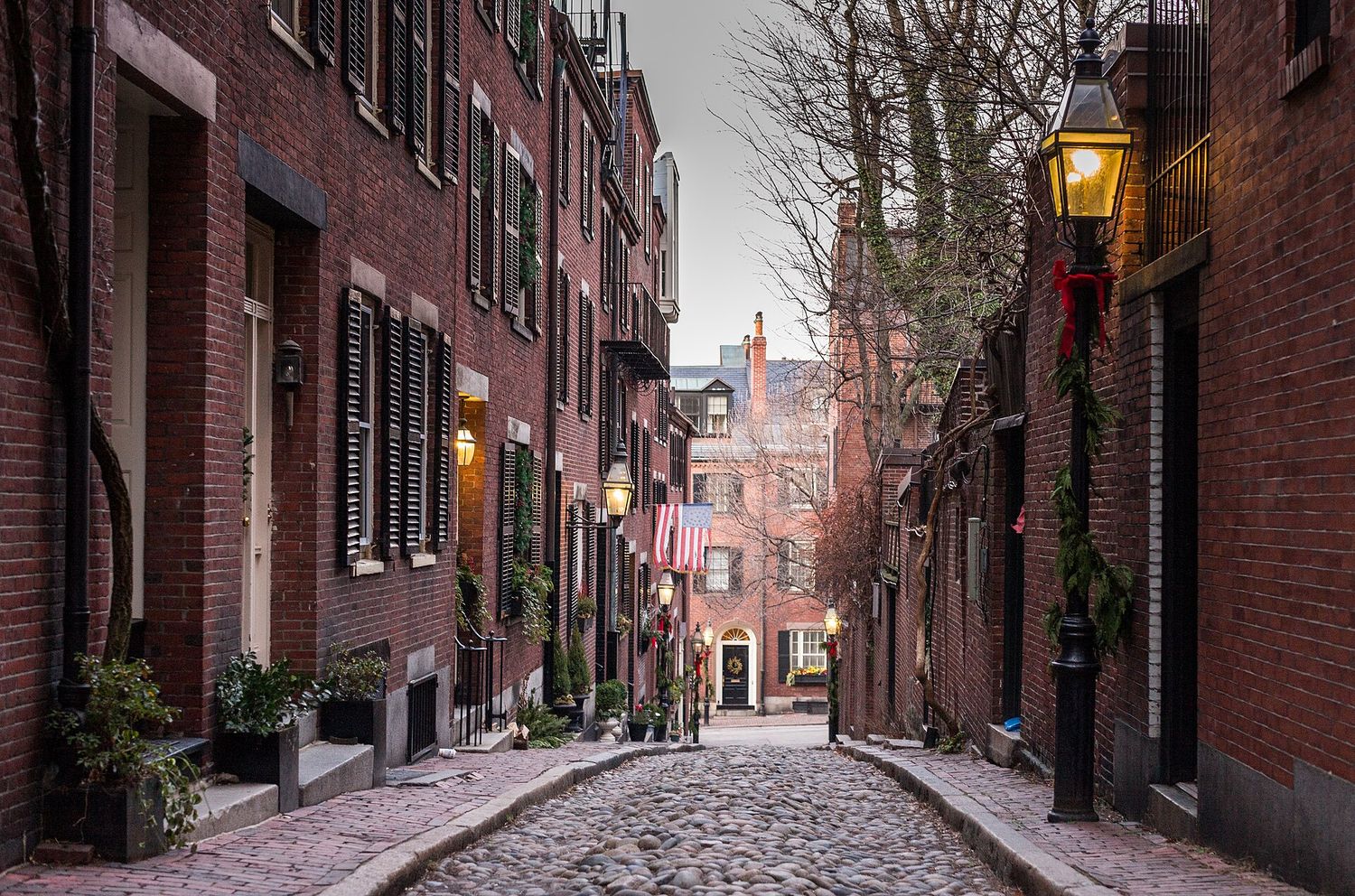
Public Garden to the North End is about thirty minutes on foot, and it takes you through Beacon Hill, past the State House, down through downtown and across the Greenway. On the subway it is two changes and roughly the same time, and you see a tunnel. The historic core is around three miles end to end.
This has a direct consequence for planning: cluster by geography, not by category. A day that goes Fenway in the morning, Faneuil Hall at lunch and the Gardner Museum in the afternoon looks fine on a list and involves three separate crossings of the city. A day that stays in Back Bay and the Fenway does the same amount of sightseeing with an hour more in it.
The T is useful for the longer hops — Cambridge, Charlestown, the Fenway, the airport. A single ride is $2.40 on any payment method, a day pass is $11 and a seven-day pass is $22.50. Since September 2026 the MBTA has been piloting unlimited transfers within a two-hour window, so you pay the highest-priced service you use rather than each leg, provided you tap the same card or phone throughout. If you are making three or more hops a day, the day pass is worth it. If you are walking the way this guide suggests, buy singles.
Watch the closing days
This is the single most useful piece of Boston trip-planning information and almost nobody tells you until you are standing outside a locked door.
- Museum of Fine Arts — closed Tuesdays. Open until 10pm Thursday and Friday.
- Isabella Stewart Gardner Museum — closed Tuesdays. Free entry Thursday 5–9pm.
- Institute of Contemporary Art — closed Mondays. Free entry Thursday 5–9pm.
- Harvard Art Museums — Tuesday to Sunday, free to everyone, all the time.
- Massachusetts State House — weekdays only. No weekend interior access.
So Tuesday is your bad museum day and your good walking day: put the Freedom Trail, Cambridge or a day trip there. Thursday evening is the best-value slot in the entire city — the Gardner and the ICA are both free from 5pm and the MFA is open to 10pm. If your trip includes a Thursday, do not waste it.
What to book ahead, and what not to
Boston is not a city that requires much advance booking, which is a relief. The short list of things that genuinely sell out:
- Fenway Park tours ($30 adult, $21 child 3–12) on game days, when the last tour goes three hours before first pitch.
- Old North Church’s bell-chamber tour ($15 adults, $10 youth, including entry; the crypt is now part of the $10 Discovery Pass) — 25 minutes, up to twenty people, and it fills in summer.
- Whale watches in July and August, and anything on a weekend.
- Red Sox tickets, obviously, and anything at the Wang or the Opera House.
- Restaurants in the South End and Seaport on Friday and Saturday. The North End is mostly walk-in, and Neptune Oyster does not take reservations at all.
Everything else — the Freedom Trail sites, the Aquarium, the museums, View Boston — you can turn up for. Timed tickets exist and are worth buying the night before in July, but you do not need to lock your trip down in March.
One Day in Boston
One day means one thing: walk the Freedom Trail. Do not try to add the Aquarium and a harbor cruise and dinner in the Seaport. You will spend the day in transit and remember none of it.
9:00 — Start at the Boston Common Visitor Information Center, 139 Tremont Street, straight up from Park Street station on the Red and Green Lines. Restrooms, maps, and the beginning of the brick line.
9:15–11:30 — The downtown stretch. Up past the Shaw Memorial to the State House, down to Park Street Church, and then twenty proper minutes in the Granary Burying Ground, which is the best thing on the first half of the trail. King’s Chapel, the Boston Latin mosaic, the Old Corner Bookstore, Old South Meeting House, the Old State House and the Boston Massacre site. Pay for one interior here, not three — the Old State House and Old South share an $18 combined ticket and are the best of them.
11:30–12:00 — Faneuil Hall. Go upstairs to the Great Hall; it is free and most people never do. Skip the Quincy Market food court behind it.
12:00–13:30 — Lunch in the North End. Eight minutes’ walk and an entirely different city. Galleria Umberto on Hanover Street for a Sicilian slice at lunchtime, cash only, closing when the trays run out; Regina Pizzeria on Thacher Street for the real thing.
13:30–15:00 — Paul Revere House ($6, and the best six dollars on the trail), Old North Church ($10, crypt included), Copp’s Hill Burying Ground for the free view over the water.
15:00–17:00 — Over the Charlestown Bridge to USS Constitution (free, photo ID for adults) and the Bunker Hill Monument (free, 294 steps, no elevator).
17:00 — Take the ferry back from Pier 4 at the Navy Yard to Long Wharf. Ten minutes, and the skyline comes at you across the water. Check the schedule at mbta.com before you leave the monument.
Our full Freedom Trail guide has all sixteen stops with what each one costs and how long to give it.
If you would rather not do history — a fair position — the alternative one-day plan is Back Bay and the water: Boston Public Library at 10, Newbury Street, lunch in the South End, the Esplanade in the afternoon, and either the Aquarium or a sunset harbor cruise. It is a lovely day and you will not have seen the thing Boston is famous for.
Two Days in Boston
Day 1: the Freedom Trail, as above.
Day 2: Back Bay, the Fenway and one big museum.
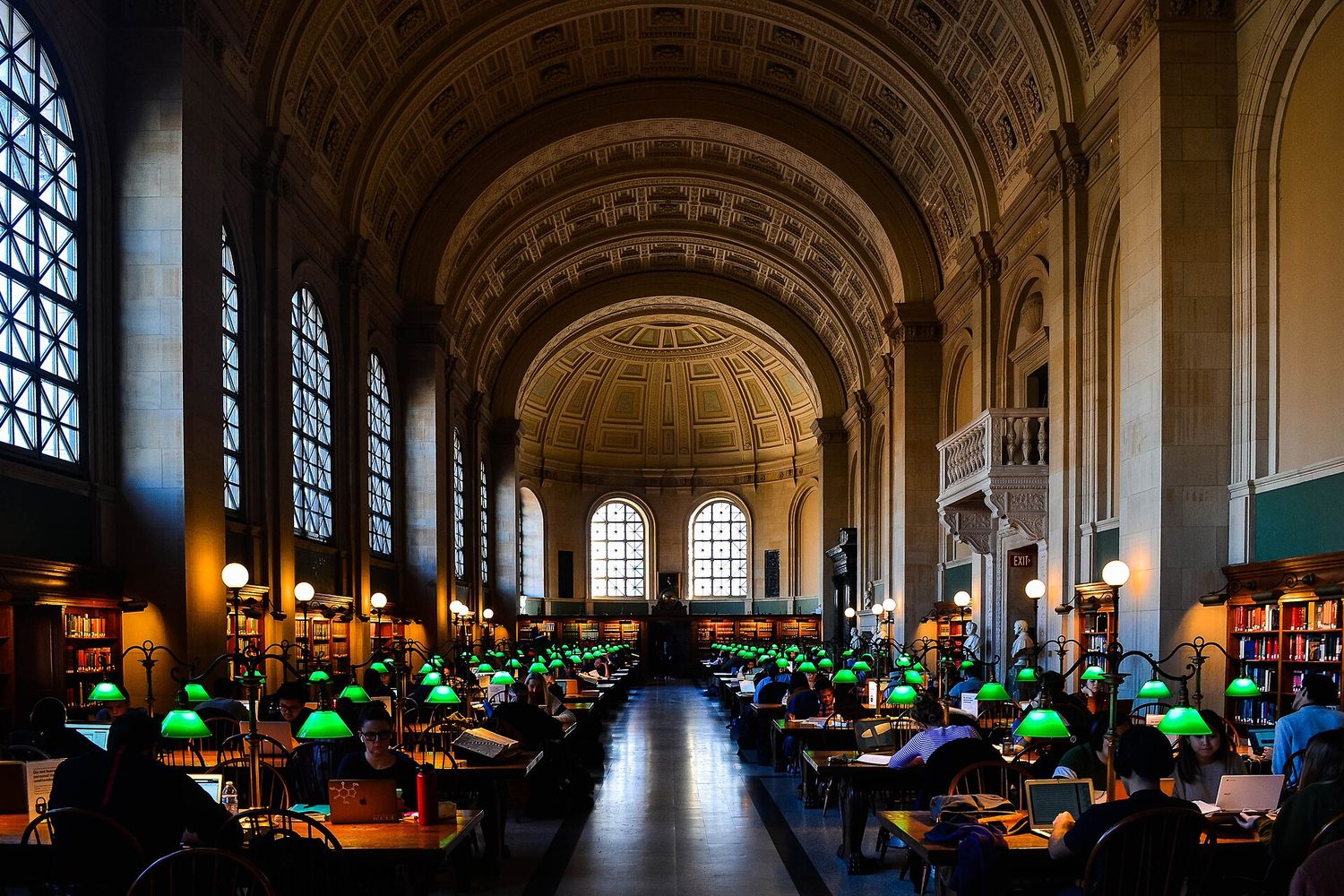
Start at the Boston Public Library in Copley Square. The McKim Building opened in 1895 as the first large free municipal library in America, and Bates Hall — a 218-foot barrel-vaulted reading room lined with green lamps — is free to walk into and quietly astonishing. Free art and architecture tours run most days. Go up to the third floor for the Sargent murals, which almost nobody does, and out into the courtyard.
Cross Copley Square to Trinity Church, walk Newbury Street for the shopping and the brownstones, and cut down Commonwealth Avenue Mall, the tree-lined central strip that is the only piece of Boston laid out on a Parisian grid.
Then choose one museum and give it three hours:
- Museum of Fine Arts — $30 adult, $14 child 7–17, free under 7. Enormous. The Egyptian collection and the American wing are the reasons to go. Closed Tuesdays; open to 10pm Thursday and Friday.
- Isabella Stewart Gardner Museum — $25 adult, free under 18, $15 student. A Venetian palazzo built around a glass-roofed courtyard, arranged exactly as Gardner left it because her will forbids rearrangement. The empty frames on the wall are from the 1990 theft of thirteen works, including a Vermeer and three Rembrandts, still unsolved. Closed Tuesdays, free Thursday 5–9pm. If you are named Isabella you get in free for life with twenty-four hours’ notice and ID.
- Museum of Science — around $33 adult, $28 child 3–11, daily 9–5, with the Planetarium and Omni theater about $6 each on top. The right answer if you have children.
The Gardner is the better museum for a short trip. The MFA is the better museum, full stop, and needs more time than you have.
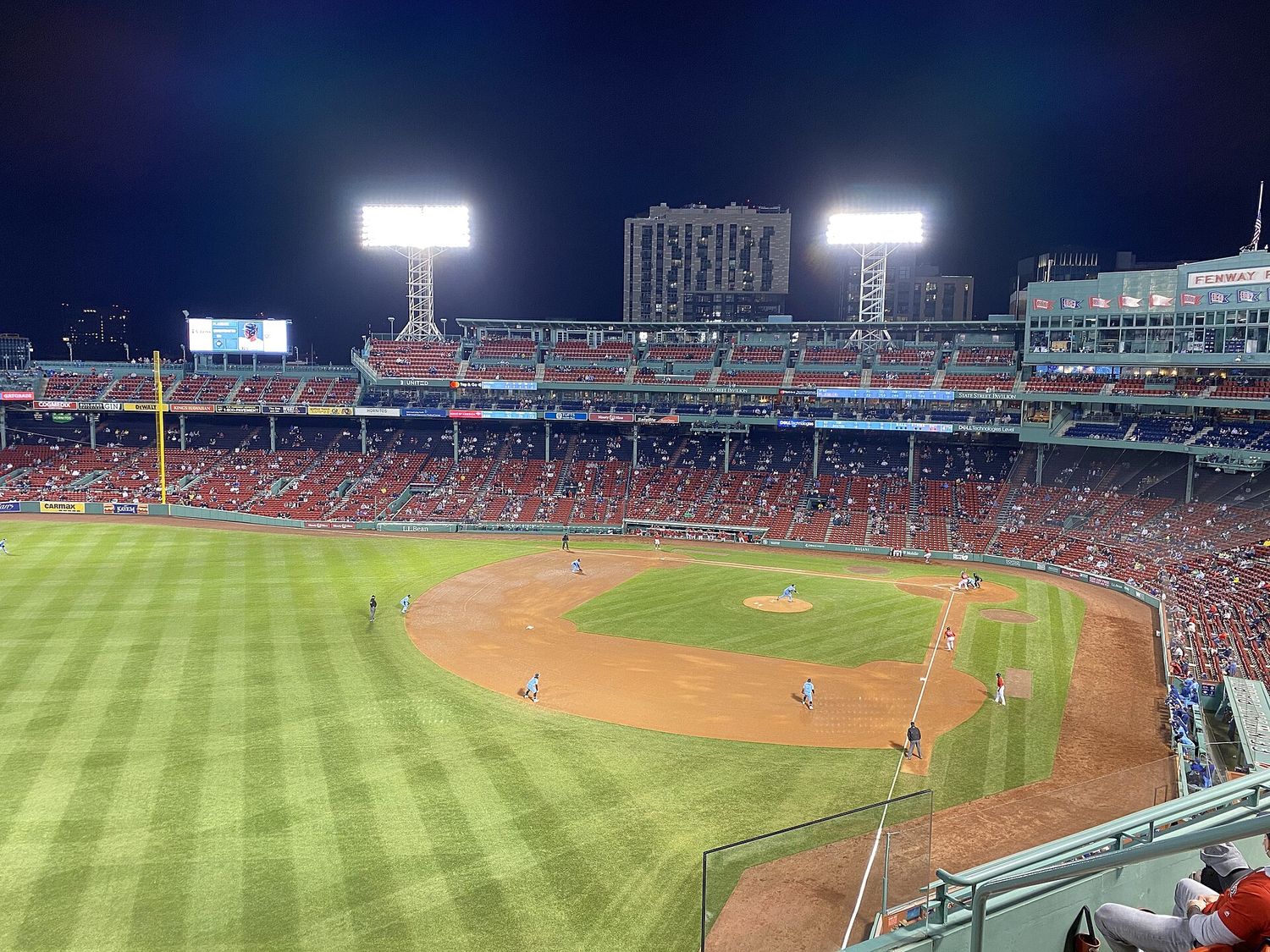
Finish with a Fenway Park tour ($30 adult, $21 child 3–12), which runs hourly from Gate D on Jersey Street — 9am to 5pm from April to October, 10am to 5pm the rest of the year, with the last tour three hours before first pitch on game days. Fenway opened in 1912, it is the oldest park in Major League Baseball, and the Green Monster is 37 feet high. If the Red Sox are at home, go to the game instead of the tour: standing-room and upper bleacher tickets are often available late, the park is small enough that there is no genuinely bad seat, and Fenway on a summer evening is one of the few tourist experiences in America that locals also queue for.
Evenings
Boston is not a late city — the T stops running around 12:30 to 1am, which shapes everything. But the early evening is when it is at its best.
- The Esplanade or the Harborwalk at sunset, free, and better than any paid viewpoint.
- Thursday — the Gardner and the ICA free from 5pm, the MFA open to 10pm. The single best-value evening in the city.
- View Boston on the 52nd floor of the Prudential, open daily to 10pm, $34 plus a $3 fee, with a “Sips and Sights” ticket at $48 that includes a drink. Go at dusk or do not go — the daytime view is the same view without the good part.
- The North End after 8pm, when the day-trippers have gone and it turns back into a neighborhood.
- A game — Red Sox at Fenway from April to September, Celtics and Bruins at TD Garden from October, and Boston takes all three seriously enough that the bars afterwards are an event in themselves.
Three Days in Boston
Days 1 and 2 as above. For day 3 you have two good options, and which one you pick should depend on the weather more than anything else.
Option A: Cambridge
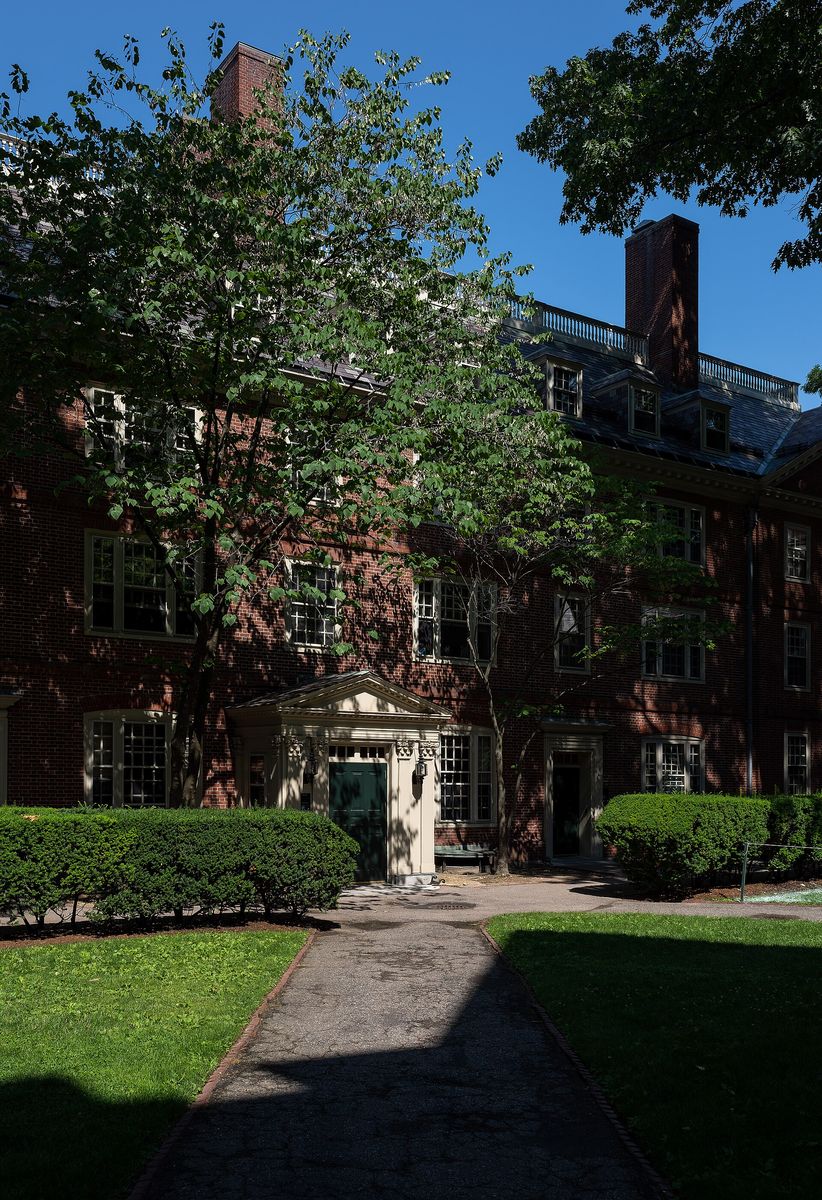
Red Line to Harvard, about fifteen minutes from Park Street. Harvard Yard is open to walk through, and the free student-led tours that leave from the visitor center are genuinely good if you can get on one.
The reason to come, though, is that two of Cambridge’s best museums cost nothing. The Harvard Art Museums have been free to all since 2023 — three collections under one Renzo Piano roof, open Tuesday to Sunday, and a serious holding of Impressionists and Bauhaus work. The Harvard Museum of Natural History charges admission but holds the Blaschka glass flowers, roughly four thousand botanical models made of glass by a father and son in Dresden over five decades, which is one of the strangest and most beautiful things in New England.
Lunch in Harvard Square, then walk down JFK Street to the river and along the Charles. If you have the legs, keep going to MIT — about half an hour — for the Stata Center and the Great Dome, then cross back over the Harvard Bridge. The bridge is famously measured in Smoots, after a 1958 fraternity pledge who was rolled end over end across it; the marks are still repainted, and the police use them to locate incidents.
Option B: the harbor
New England Aquarium ($39.95 adult, $30.95 child 3–11, weekdays 9–5 and weekends 9–6; New England residents get $5 off outside peak) built around a four-story cylindrical ocean tank you spiral down around. Then the Institute of Contemporary Art in the Seaport — $20 adult, free under 18, closed Mondays, free Thursday 5–9pm — in a cantilevered building hanging out over the water.
From roughly mid-May to Indigenous Peoples’ Day weekend in October, the better version of this day is the Boston Harbor Islands. The ferry from Long Wharf North is $25 adult and $18 child 3–11 return, and takes you out to Georges Island and its Civil War-era Fort Warren, or Spectacle Island, whose hills are made from Big Dig spoil and which has the best swimming beach and the best skyline view in the city. Outside that window the ferries do not run, so check the season before you build a day around it.
From about April to November, a whale watch from the Aquarium’s dock is three to four hours out to Stellwagen Bank, thirty miles offshore, and in season the sighting rate is very high. It is the best half-day Boston offers and it is not a cheap one.
The three-day plan at a glance
| Day | Morning | Afternoon | Evening | Spend |
|---|---|---|---|---|
| 1 | Freedom Trail, Common to Faneuil Hall | North End, Charlestown, ferry back | North End dinner | $18–33 |
| 2 | Boston Public Library, Newbury Street | MFA or the Gardner | Fenway tour or a game | $55–70 |
| 3 | Harvard Yard and the Harvard Art Museums | Walk the Charles to MIT, or the Aquarium | Esplanade at sunset | $0–40 |
Note what that adds up to: two of the three afternoons are free or nearly so, and the only unavoidable transport cost is a handful of subway rides. Boston’s free tier is unusually strong — the trail itself, USS Constitution, the BPL, the Harvard Art Museums, Faneuil Hall, the Esplanade, the Arboretum and the Harborwalk are all no-charge, and between them they make a perfectly full three days.
Four Days in Boston
Add a day trip. Boston is unusually well placed for these — the commuter rail reaches most of them and you do not need a car.
- Salem — about thirty minutes by commuter rail from North Station. The Peabody Essex Museum is world class, the witch-trial sites are sobering, and the tourist-tat end of it is what you make of it. In October the whole town becomes Haunted Happenings, running the full month with a parade on the first, and the MBTA lays on extra weekend trains. Go in October only if you actively want the crowds; go in May and you get the same town with room to move.
- Lexington and Concord — where the war actually started on 19 April 1775. Minute Man National Historical Park, the North Bridge, Walden Pond and Louisa May Alcott’s Orchard House. Harder without a car, but doable by bus from Alewife.
- Plymouth — the Rock is famously underwhelming, a lump of granite in a portico, but Plimoth Patuxet’s living-history museum and the Mayflower II are excellent.
- Rockport and Cape Ann — commuter rail to Rockport, a harbor full of lobster boats, and Motif No. 1, a red fishing shack claimed to be the most-painted building in America.
- Providence — an hour by train, a beautiful small city, and if your visit lines up with a summer WaterFire night, take it.
If you only take one, take Salem in the spring or Lexington and Concord if the Revolution is why you came. Salem wins on the museum — the Peabody Essex is a genuinely major institution and its Yin Yu Tang house, a Qing dynasty merchant’s home moved from China and rebuilt piece by piece, is worth the fare on its own. Lexington and Concord win on the history, because Minute Man National Historical Park lets you walk the actual road the British column retreated down under fire, and standing at the North Bridge does something no exhibit can.
One realistic warning: a day trip costs you the whole day. Budget the round trip at four hours of travel and waiting even when the timetable says ninety minutes each way, and do not schedule anything in Boston that evening.
Five Days to a Week
Now you can stop sightseeing and start looking at the city.
Day 5: the neighborhoods. Beacon Hill in the morning — Acorn Street, the gas lamps, and the purple window panes at 63–64 Beacon Street, which came from a bad batch of nineteenth-century glass that turned violet in sunlight and are now the most sought-after windows in Boston. Then the Black Heritage Trail, 1.6 miles across the north slope, which links the homes of the free Black community that made the city a center of American abolitionism and ends at the African Meeting House of 1806, the oldest surviving Black church building in the country. National Park Service rangers lead it free in season and it is, mile for mile, the more remarkable of Boston’s two heritage trails.
Afternoon in the South End for the brownstones and the best brunch in the city, or Jamaica Plain for Centre Street and the ponds.
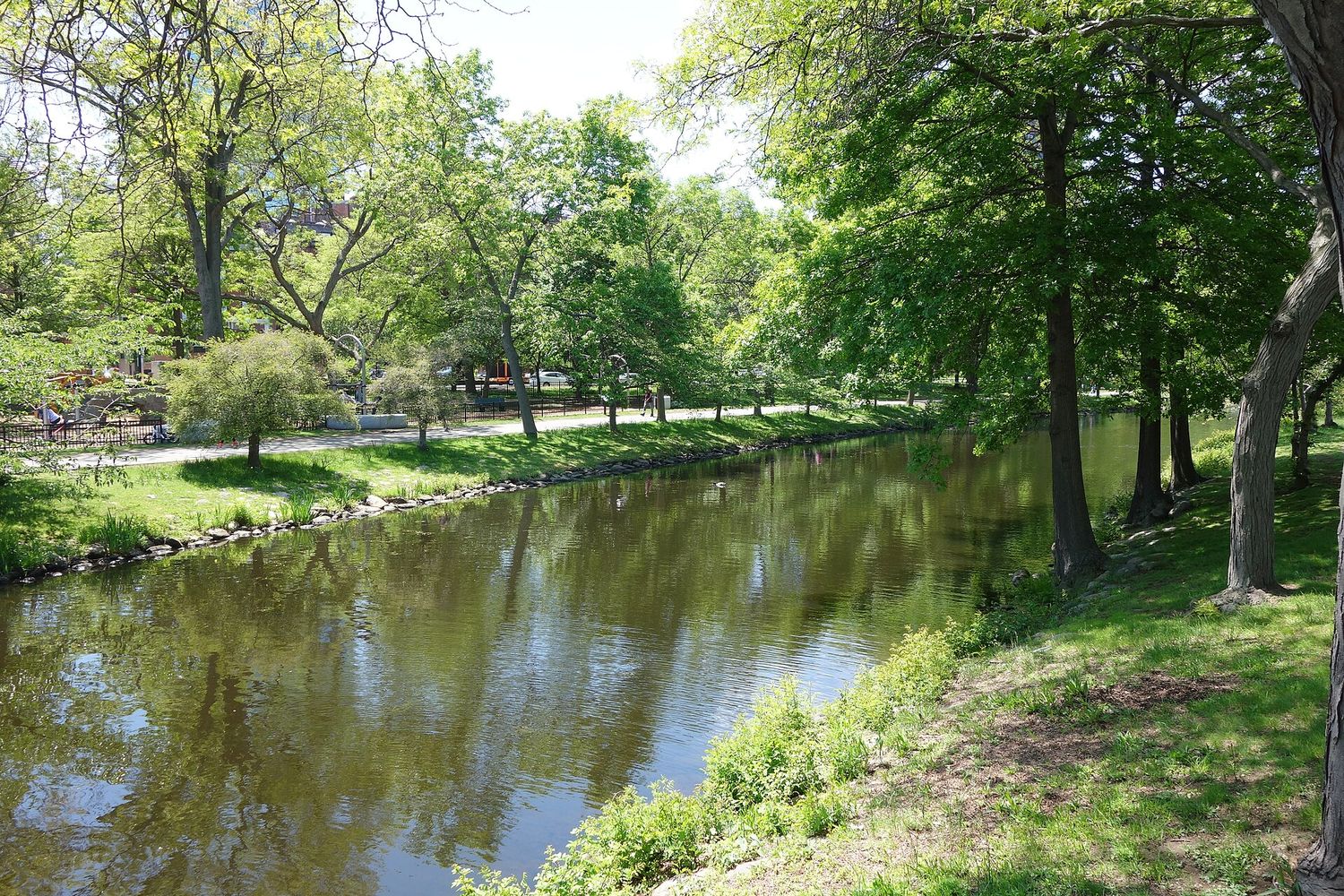
Day 6: the Emerald Necklace. Frederick Law Olmsted’s chain of parks runs about seven miles and 1,100 acres from Boston Common out to Franklin Park. You do not have to walk all of it. The Arnold Arboretum alone is 281 acres, free, open daily, run by Harvard, and on a clear morning in May or October it is the best thing in the city that nobody visits. Orange Line to Forest Hills.
Alternatively, the Charles River Esplanade — three miles of riverside from the Museum of Science to the BU Bridge, with the Hatch Shell where the Boston Pops play on the Fourth of July.
Day 7: a second day trip, a ball game, or nothing at all. The JFK Presidential Library out at Columbia Point is very good and very underrated, and the building, by I.M. Pei, sits alone on a spit of land with the harbor on three sides. Or take the Harborwalk — 43 miles of continuous public waterfront, free, and mostly empty — and follow it until you get bored.
Boston with Kids
Boston is a genuinely good city for children, provided you accept that a full Freedom Trail day is not going to happen.
- Day 1 — Freedom Trail as far as Faneuil Hall, lunch, then the New England Aquarium in the afternoon. Cut the trail at the North End if you need to.
- Day 2 — Museum of Science all morning, which is large enough to absorb a whole day, then the Public Garden. The Swan Boats run mid-April to early September only, $4.75 adult and $3.25 for children 2–15, so check the season; the Make Way for Ducklings bronzes are there year-round and are free. Frog Pond on the Common becomes a skating rink from mid-November to March, $10 adult and free for children under 58 inches, with skate hire on top.
- Day 3 — Ferry to the Charlestown Navy Yard. USS Constitution is free, and the USS Constitution Museum next door — also free, suggested donation $10–15 adult — is the single most child-friendly thing on this list. You can haul on a rope, try a hammock and vote on whether to fight a British frigate.
The View Boston observatory on the 52nd floor of the Prudential runs a promotion where one adult ticket ($34 plus a $3 fee) brings up to four under-13s free, which makes it one of the better family deals in the city if the sky is clear. Check it is still running before you build an afternoon around it.
A Rainy Day Plan
Boston rain frequently arrives sideways off the water, and an umbrella is often useless — a hood is better. When it is genuinely foul:
- The Boston Public Library, free, and you can spend two hours there without noticing.
- The MFA, which is big enough to hide from anything.
- The Gardner, whose courtyard is under glass and looks better in bad light.
- Faneuil Hall’s Great Hall, free, and the NPS talks.
- The Museum of Science or the Aquarium if you have children.
- The Old State House and Old South Meeting House on their $18 combined ticket — both indoors, and eight minutes apart.
What not to do in the rain: the Bunker Hill Monument, whose stairwell is miserable and whose windows show you cloud, and any harbor cruise, which is the same water at twice the wind.
Winter and Off-Season
Boston between December and March is cold, often beautiful, and about forty percent cheaper on hotels. Adjust rather than cancel:
- Everything outdoors takes half as long, because you will not linger. Build more museum time in.
- Several Freedom Trail sites cut their hours or close midweek, and the State House is weekdays only year-round.
- The Swan Boats, Harbor Islands ferries, whale watches and Duck Tours are all shut. Do not plan around them.
- Frog Pond skating runs mid-November to March, and the Christmas tree on the Common — an annual gift from Nova Scotia thanking Boston for its help after the 1917 Halifax explosion — is lit in early December. First Night takes over the city on New Year’s Eve.
Fall is the best season overall. City foliage peaks mid-to-late October, later than the mountains, and the Head of the Charles Regatta — 16 to 18 October in 2026 — turns the riverbanks into the largest three-day crowd of the year.
What a Boston Trip Costs
Per person, per day, excluding accommodation. Checked September 2026.
| Style | Transport | Attractions | Food | Day total |
|---|---|---|---|---|
| Free day | $0 (walking) | $0 — trail, BPL, Harvard Art Museums, Faneuil Hall, Constitution | $25 | $25 |
| Careful | $4.80 (2 rides) | $18 (Revolutionary Spaces combined) | $45 | $68 |
| Standard | $11 (day pass) | $30–40 (one major museum or Fenway tour) | $75 | $120 |
| Everything | $11 | $85+ (Aquarium plus View Boston, or a whale watch) | $120 | $215 |
On passes: Boston CityPASS is $84 adult and $72 child 3–11, valid nine days from first use, and you choose four of seven — Aquarium, Museum of Science, Boston Harbor City Cruises, View Boston, Franklin Park Zoo, Harvard Museum of Natural History and the MFA. The Aquarium, Museum of Science, View Boston and the MFA come to about $137 at the gate, so it saves roughly $53. It is a good pass. It includes nothing whatsoever on the Freedom Trail, which is the mistake people make.
The Boston 250 Pass at $33 covers five historic sites: Paul Revere House, Old State House, Old South Meeting House, Old North Church and King’s Chapel. Bought separately they cost $39 (checked September 2026), so the pass saves about $6, and it pays for itself on the fourth site as long as Old North and the Old State House are among them. Go City Boston starts around $79 for one day and $134 for three, across 40-plus attractions, and only rewards genuinely high-volume days; if your plan involves a leisurely lunch, it will not pay back.
Itinerary Mistakes to Avoid
- Booking a Duck Tour as an orientation tour. At $57 adult and $42 child 3–11, plus a 5% Convention Center fee and a $2 booking fee, it is well over $200 for a family of four to be driven around a city you can cross on foot in forty minutes. The splash into the Charles is fun and children love it — buy it as a ride, not as a way of seeing Boston. It also runs only from about late March to the Sunday after Thanksgiving.
- Hop-on hop-off buses. Same problem, worse. The stops are within walking distance of each other.
- Scheduling the MFA or the Gardner on a Tuesday. Both closed. The ICA is closed Mondays.
- Eating at Quincy Market because it is right there. It is a mall food court in an 1826 building, and the North End is eight minutes away.
- Planning around the Swan Boats or a Harbor Islands ferry out of season. Mid-April to early September and mid-May to October respectively. Check before you build a morning around either.
- Staying somewhere that needs two changes to reach anything. A cheap room in an outer suburb costs you ninety minutes a day.
- Driving. Downtown parking runs $40 or more a day, the street layout predates the automobile by two centuries, and you will not need a car unless you are doing Lexington and Concord.
- Filling every hour. The best Boston memories are usually a bar in Charlestown, a bench on the Esplanade, or a wrong turn into a lane in the North End.
For more on what earns its ticket price and what does not, see our guide to things to do in Boston.
Frequently Asked Questions
How many days do you need in Boston?
Three is the sweet spot: one for the Freedom Trail, one for Back Bay and a major museum, and one for Cambridge or the harbor. Two days covers the headline sights but feels rushed. Four lets you add a day trip to Salem or Lexington and Concord, and five to seven gives you the neighborhoods, the Emerald Necklace and time to do nothing.
What is the best Boston itinerary for a first visit?
Day one, the Freedom Trail end to end with the ferry back from Charlestown. Day two, the Boston Public Library, Newbury Street and one big museum — the Gardner if you have three hours, the MFA if you have five. Day three, Harvard Square and the free Harvard Art Museums, or the Aquarium and the ICA if the weather is poor. That is the standard first-timer route and it works because everything on it is within walking distance of everything else on the same day.
Is Boston walkable?
More than almost any American city. The historic core is roughly three miles end to end, the Public Garden to the North End is about a thirty-minute walk, and the Freedom Trail is 2.5 miles. Use the T for Cambridge, the Fenway, Charlestown and the airport, and walk everything else. Wear real shoes — brick and colonial cobble are unforgiving.
Should I buy a Boston CityPASS?
Only if your trip is built around the big paid attractions. At $84 adult and $72 child 3–11 you choose four of seven, and the popular combination saves around $53 against gate prices. It covers no Freedom Trail sites at all. For a history-focused visit the $33 Boston 250 Pass is the better buy, and for a walking-and-parks visit neither pass is worth anything.
What day of the week should I avoid the museums?
Tuesday. The Museum of Fine Arts and the Isabella Stewart Gardner Museum are both closed, and the Institute of Contemporary Art is closed Mondays. Put the Freedom Trail, Cambridge or a day trip on a Tuesday. Thursday evening is the opposite — the Gardner and the ICA are both free from 5pm and the MFA stays open until 10pm.
Can you do the Freedom Trail and a day trip in the same day?
No, and it is the most common over-packing mistake. The Freedom Trail is a four-to-five-hour day done properly, and a day trip to Salem or Plymouth eats the whole thing once you count the travel at both ends. Give each its own day.
Do I need a car in Boston?
No, and it is an active liability downtown. Parking runs $40 or more a day, the streets are narrow and one-way in unhelpful directions, and the commuter rail reaches Salem, Rockport, Providence and Plymouth. The exception is Lexington and Concord, where a car makes a genuinely easier day.
What is the best time of year to visit Boston?
Late April to early June and September to late October. Comfortable walking weather, full opening hours, and city foliage peaking mid-to-late October. July and August are hot, humid and crowded. December to March is cold and much cheaper, with shorter museum hours and the seasonal attractions — Swan Boats, harbor ferries, whale watches — shut.
How much should I budget per day in Boston?
Excluding accommodation, around $25 a day if you walk and stick to free sites, $70 for a careful day with one paid attraction, $120 for a standard day with a museum and a day pass, and $215 or more if you are doing the Aquarium, an observatory and restaurant dinners. Boston has an unusually good free tier — the Freedom Trail itself, USS Constitution, the Boston Public Library, the Harvard Art Museums and Faneuil Hall all cost nothing.
Every plan on this page assumes you can walk out of your hotel and be somewhere useful within twenty minutes, which is true of some Boston neighborhoods and emphatically not of others. Our guide to where to stay in Boston goes through each area a visitor would consider, with its T access, who it suits, and the 14.95% hotel tax and parking charges that never appear in the headline rate.
Meals are the part of an itinerary people leave to chance and then regret. Our guide to the best restaurants in Boston covers what each neighborhood does well, which dishes are genuinely worth ordering here, and a table of where to walk from each major sight when it is one o’clock and everything in view looks like a trap.
If you have five days or more, an afternoon in a neighborhood nobody put on your list will teach you more about Boston than another museum. Our guide to Boston neighborhoods covers every district, how long each is worth, and three linking walks that take you across a hundred and fifty years of filled land in an afternoon.
Every plan here assumes you know when to walk and when to take the T, which is the difference between a comfortable day and an hour lost underground. Our guide to getting around Boston covers the fares, every line and branch, the ferry, the commuter rail for day trips, and the free Silver Line from Logan that almost nobody believes in until they try it.
Day four is where a trip outside the city starts to earn its place, and Boston is unusually well set up for it. Our guide to day trips from Boston ranks thirteen destinations by travel time and purpose, with current costs and honest verdicts – including which ones are a poor idea in a day and the $10 weekend pass that makes two of them nearly free.
The same three days work very differently in February and October, and it is worth deciding which trade you are making before you book. Our guide to the best time to visit Boston sets out the year month by month – real temperatures, what is open when, when the foliage actually peaks, and the handful of dates that send hotel rates through the roof.
Museum days are where Boston itineraries most often come apart, usually on a Tuesday outside a locked door. Our guide to Boston museums and culture lays out every major collection with current prices and closing days, the substantial free tier, and two ready-made museum days that keep the walking to a minimum.
A surprising number of these days barely need a budget. Our guide to free things to do in Boston sets out two full days that cost nothing beyond lunch and a fare, plus the free museum evenings, the ranger-led tours and an honest list of what charges money that it should not.
Every plan on this page can be run at family pace by cutting roughly a third of the stops and adding a playground. Our guide to Boston with kids sets out two days built that way from the start, along with the stroller-friendly routes, the museums’ closing days and the rainy-day list you will end up needing.
A Cambridge day is the natural third or fourth day of a Boston trip, and it works as a half day too. Our guide to Cambridge and Harvard sets out three versions — a half day, a full day and a second-visit day that skips Harvard Square entirely — along with what each costs.
Any of these plans can be undone by a closing day or a missed last train. Our guide to Boston travel tips has the closed-when table, the fare and payment rules, a realistic daily budget, and what is worth booking in advance against what needs no reservation at all.
Deciding what to cut is harder than deciding what to see. Our ranking of the top attractions in Boston puts twelve of them in order of value, gives the time each realistically needs, and groups them into the four geographic clusters that make a day work or fall apart.
The Freedom Trail is the piece of any Boston itinerary that people most often underestimate. Our guide to how long the Freedom Trail takes explains why the “about an hour” figure is misleading, and how to plan it as a half day, a full day or two mornings.