There is a stained-glass globe under the Christian Science Plaza that you walk into on a glass bridge, three stories high, built in 1935 and never updated — so the borders are those of a world that has not existed since before the Second World War. It costs $6, it takes fifteen minutes, and the acoustics are such that two people standing at opposite ends can hear each other whisper. As an argument for romantic things to do in Boston it is a good one, because it captures what this city is actually good at: small, odd, specific things that cost almost nothing and that nobody has told you about.
What Boston is not good at is the postcard version. There is no gondola, the rooftop cocktails cost $22 and the wind comes off the harbor, and the horse-drawn carriage rides are a tourist transaction rather than a moment. This guide covers what works — the walks, the small restaurants, the free hours that land better than the expensive ones, the seasons, and the weekends away within an hour of the city. Prices were checked in September 2026; confirm before you book.
The walks, which are the best of it
Boston is a walking city on a human scale, and the walking is the reason couples like it. The historic core is about three miles end to end and the good stretches are shorter than that.
The Public Garden and Beacon Hill
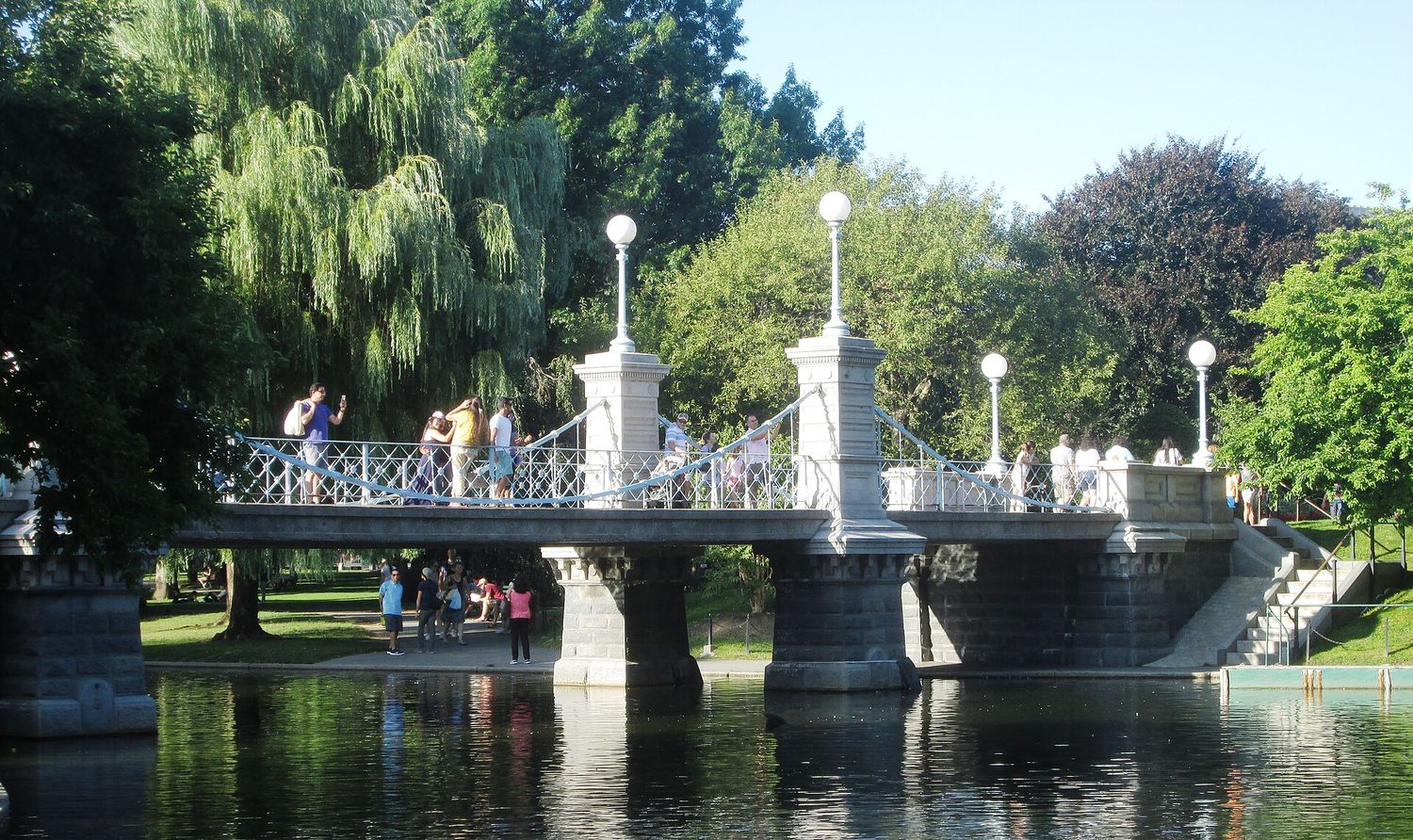
Start at the Public Garden, the first public botanical garden in America, laid out in 1837 and still formal in a way the Common next door is not. The lagoon has a small iron suspension bridge from 1867 across the middle of it, and the whole thing takes twenty minutes to walk at a slow pace.
Cross Charles Street and go up into Beacon Hill: gas lamps, brick sidewalks that have buckled with the tree roots, and Acorn Street, which is a cobbled lane of coach houses and the most photographed street in the city. Go early in the morning or after dark and you will have it. Then down to Charles Street for the antique shops and a coffee.
The Swan Boats on the lagoon are the obvious romantic set piece, and they are worth knowing two things about: they cost $4.75 for adults, they take fifteen minutes, and they are strictly seasonal. The 2026 season ran 18 April to 7 September, so a fall or winter visit finds an empty lagoon. They have been run by the same family since 1877, which is a better fact than most.
The Esplanade at dusk
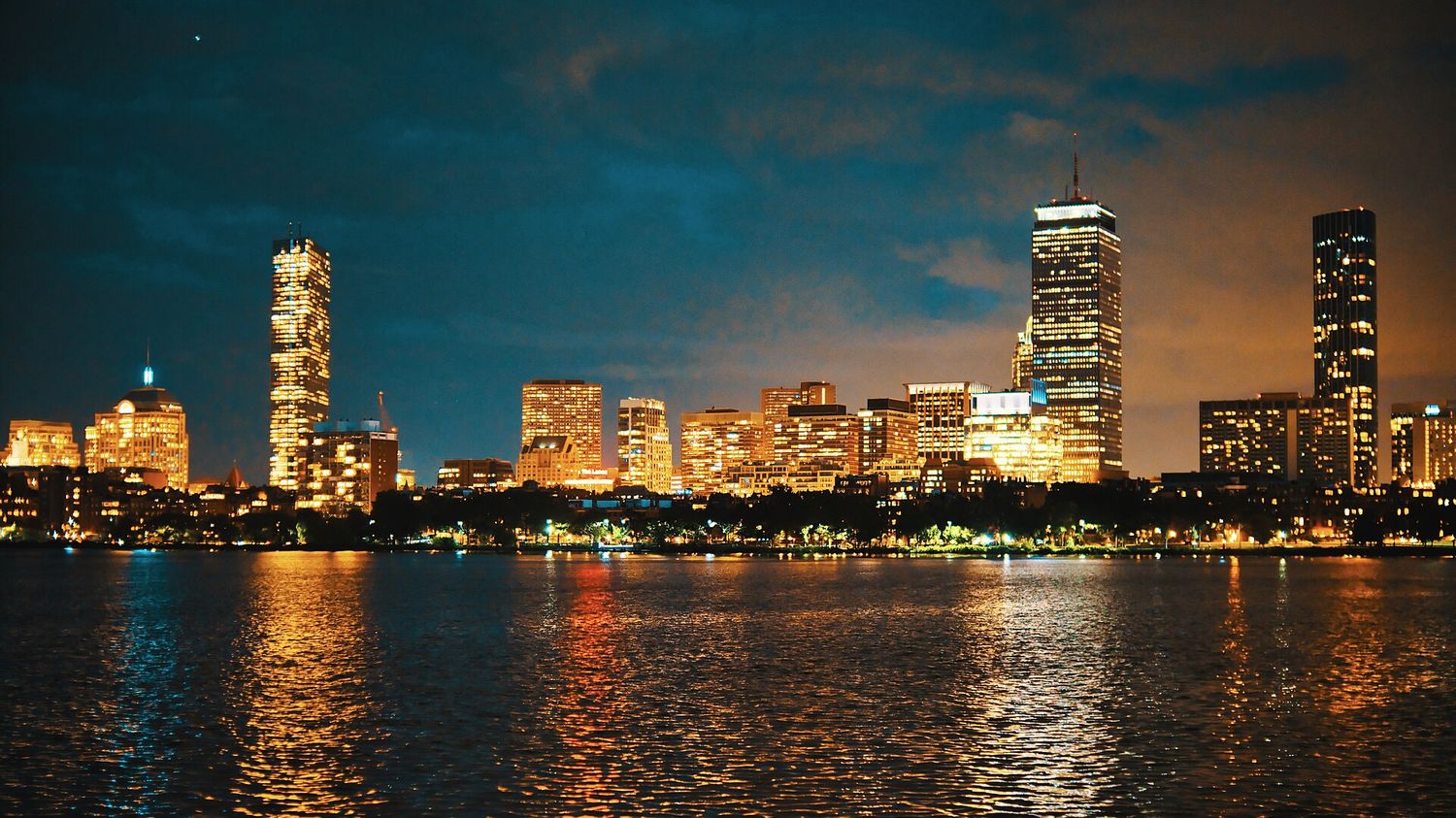
The Charles River Esplanade runs three miles along the Boston bank with the water on one side and the Back Bay skyline behind you. The stretch between the Arthur Fiedler footbridge and the Hatch Shell is the good part, and the hour before sunset in September or early October is the best light Boston produces all year. It is flat, paved, lit, and free.
The Cambridge bank opposite is where the skyline photograph is taken, and the Weeks Footbridge is the spot. Walking over the Longfellow Bridge from Charles/MGH to Kendall takes twenty minutes and puts you above the water with the city on both sides.
The Harborwalk at night
From Long Wharf around Christopher Columbus Park — which has a wisteria trellis lit in the evening — south past Rowes Wharf’s arch and over the Fort Point Channel into the Seaport. About a mile and a half, entirely flat, and almost empty after nine. Our Boston harbor and islands guide has the whole 43-mile route.
The North End after dinner
The narrowest streets in the city, the smell of the bakeries still open, and the Old North Church steeple lit above the rooftops. Walk it after eating rather than before; the point is the streets, not a destination.
Cheap and free things that work better than expensive ones
An honest observation about romantic travel: the correlation between what a thing costs and how well it lands is weak, and in Boston it is close to zero.
The Mapparium — $6
Described above, and worth the paragraph. Three stories of stained glass, a glass bridge through the middle, and a 1935 political map that has aged into a historical document. Adults pay $6 and under-18s are free, on a timed ticket. It sits under the Christian Science Plaza on Massachusetts Avenue, five minutes from the Prudential. Check current hours on the library’s own site.
The Boston Public Library courtyard
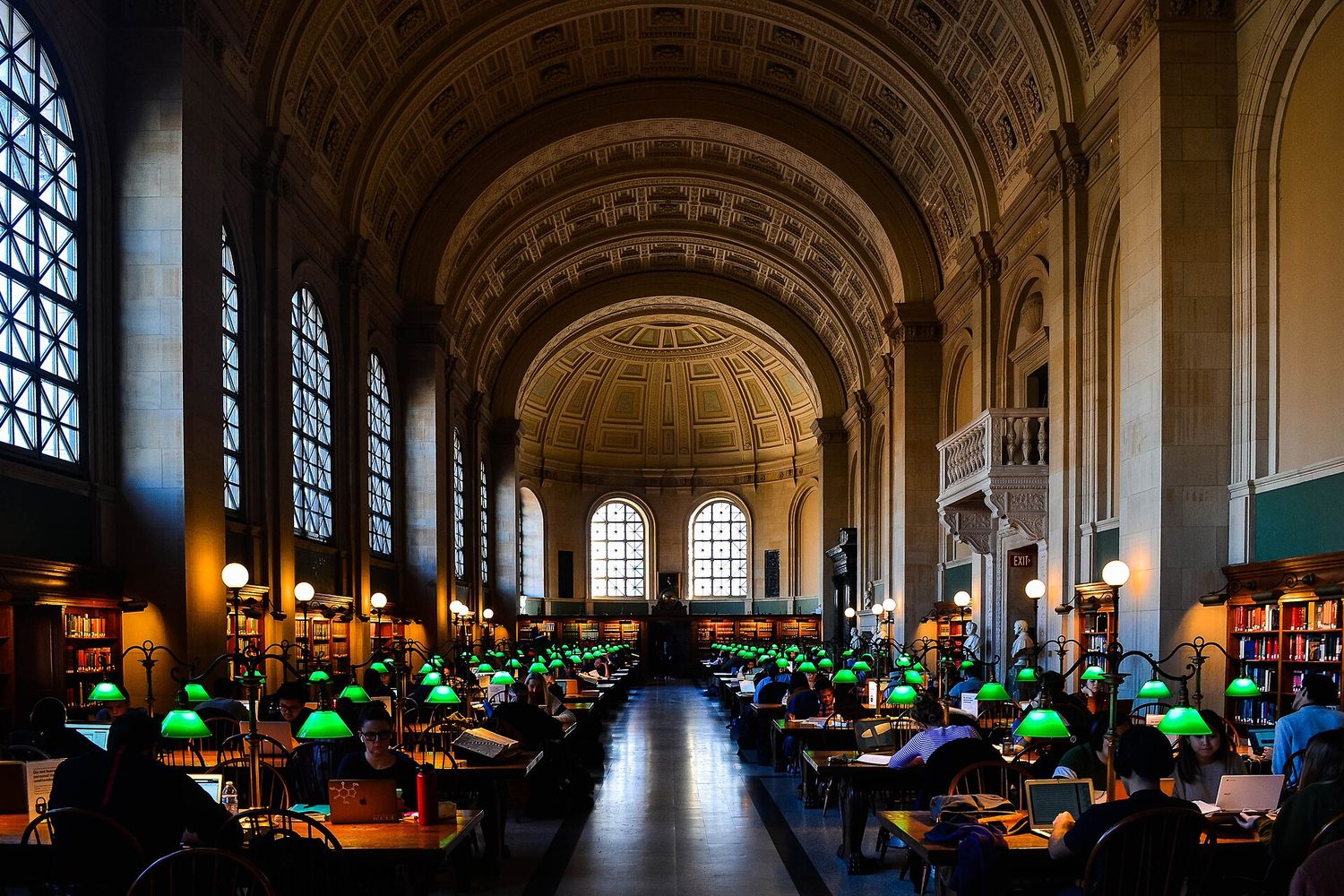
The McKim Building of 1895 has a central courtyard modeled on a Roman palazzo, with a fountain and a colonnade, and it is open to anyone who walks in off Copley Square. There is a cafe. Bates Hall upstairs is a 218-foot barrel-vaulted reading room with green lamps, and it is one of the great interiors in America. All of it is free.
The Isabella Stewart Gardner Museum
$25 for adults, free for under-18s, closed Tuesdays, free on Thursday evenings from 5pm to 9pm. A Venetian palazzo built around a glass-roofed courtyard full of ferns and Roman statuary, in the Fenway. Isabella Stewart Gardner’s will forbids rearranging anything, which is why the empty frames from the unsolved 1990 theft of thirteen works — including a Vermeer and three Rembrandts — still hang where the paintings were.
The Thursday evening slot is the one to take. And if either of you is named Isabella, admission is free for life with 24 hours’ notice and identification, which is not a joke.
The Christian Science Plaza reflecting pool
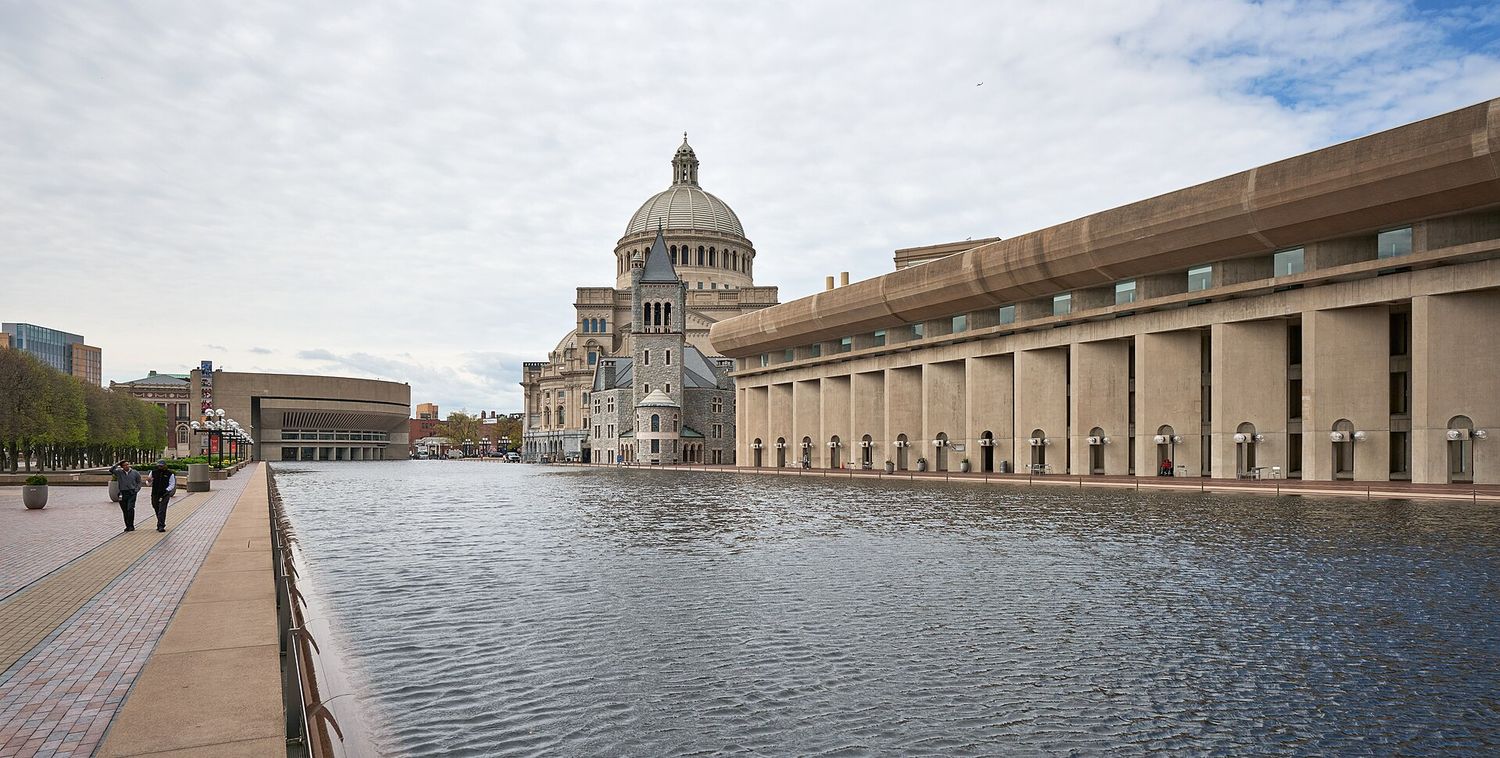
A 670-foot reflecting pool in front of the Mother Church, lit at night, and almost always quiet. It is a five-minute walk from Newbury Street and it is one of the more surprising spaces in the city.
The Arnold Arboretum
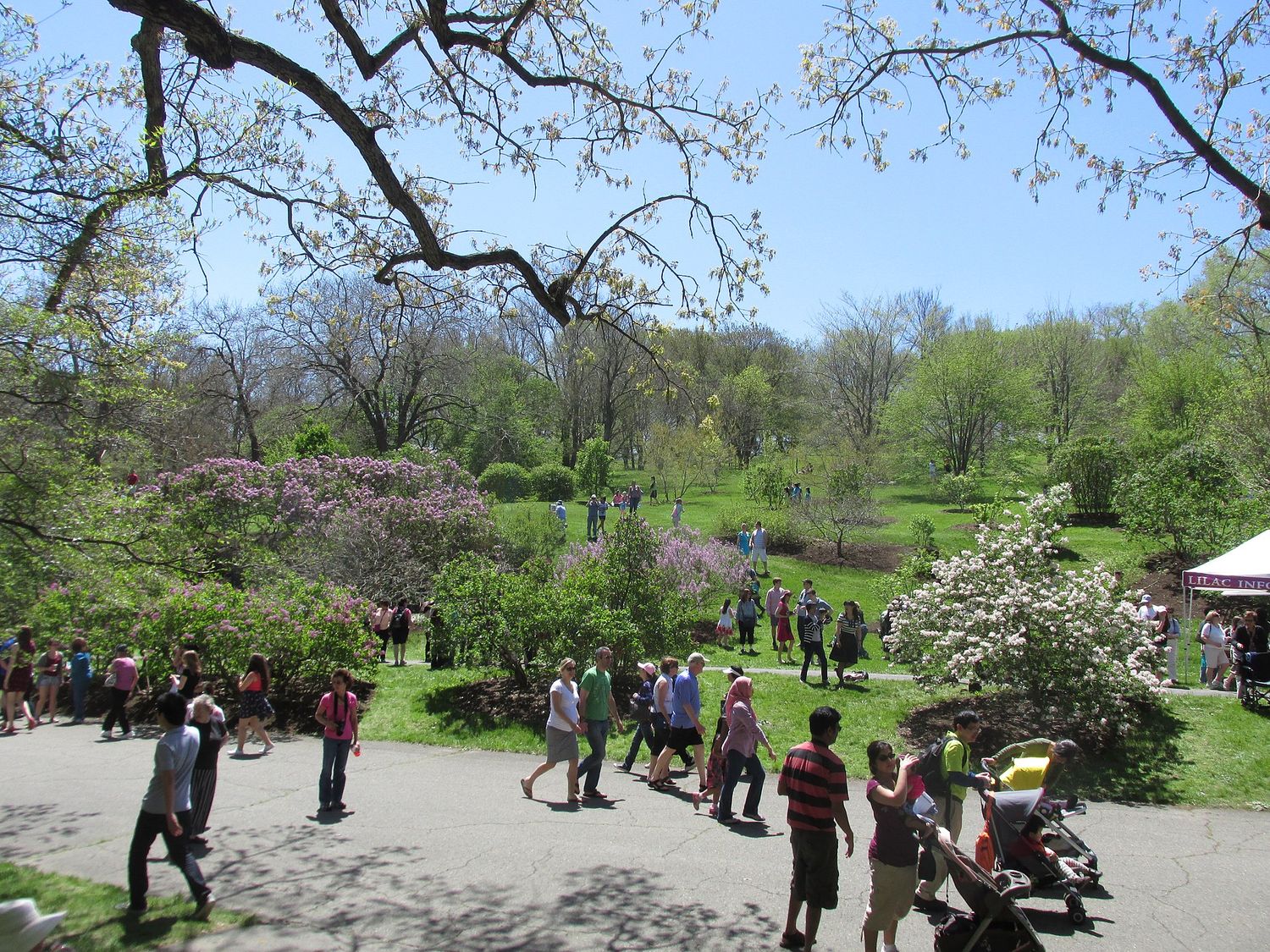
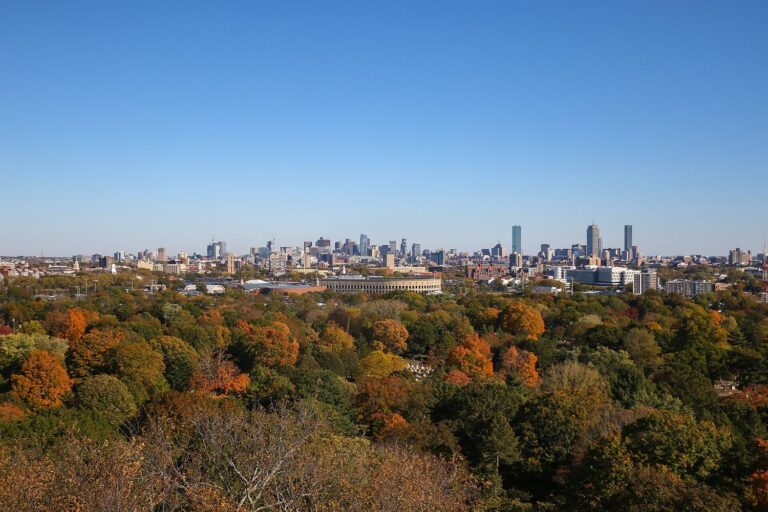
281 acres of Olmsted-designed arboretum in Jamaica Plain, free, open daily from sunrise to sunset, and reached on the Orange Line to Forest Hills. It is the least-visited great thing in Boston. Lilac Sunday, the second Sunday in May, is the one day of the year picnicking is allowed on the grounds and the lilac collection is at its peak; the rest of the year it is a large quiet landscape with a hill you can climb for a skyline view.
Eating: what actually works for two
Boston’s restaurant scene is strongest in small rooms, which suits this purpose exactly. Some structural advice rather than a list of names, because rooms open and close and a guide that names twenty restaurants is out of date within a year.
The North End is the default and it earns it. Small Italian rooms, close tables, house wine, no ceremony, and the walk afterwards. Many of the best places do not take reservations, which means either eating at 5.30 or waiting — and waiting on a warm evening in the North End is not a hardship.
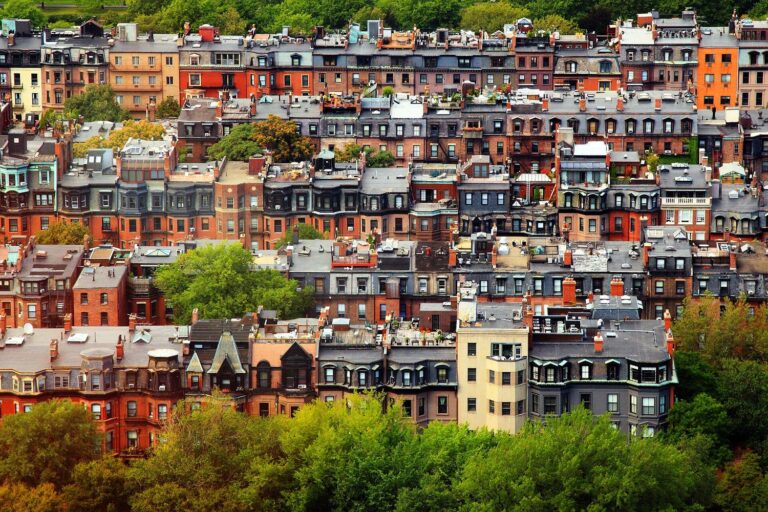
The South End is the grown-up alternative: restaurants in the ground floors of nineteenth-century bowfront row houses, a serious cocktail culture, and no crowds. If you want a long dinner with good service and a conversation you can actually have, this is the neighborhood.
Beacon Hill and Charles Street have a handful of small, expensive, very good rooms, and the walk to and from them is half the evening.
Cambridge’s Inman Square is where people who live here go when they want a nice dinner without an occasion attached.
Three practical notes. Boston kitchens serve early — a 5.30pm table is often available where a 7.30 is not, and the early sitting is quieter. Massachusetts prohibits happy-hour discounts, so the value is in food rather than drink promotions. And the meals tax plus 18 to 20 percent tipping means the bill runs meaningfully above the menu. Our Boston food and restaurants guide has the detail.
The honest verdict on dinner cruises
Harbor dinner cruises are sold hard to couples and they are, with few exceptions, a mediocre buffet on a boat at a premium price. The harbor is worth being on; the dinner is not worth being on it for. If you want the water and a meal, take the $25 island ferry or the commuter boat in the late afternoon, come back at dusk, and eat on land.
Views, and which are worth paying for
| Where | Cost | Verdict |
|---|---|---|
| View Boston, 52nd floor of the Prudential | $34 plus $3 fee; “Sips & Sights” $48 | The best paid view in the city, open daily to 10pm. Go at dusk |
| Back Bay and Seaport rooftop bars | $18–24 a cocktail | Fine, seasonal, windy. Two drinks costs more than View Boston |
| The Esplanade or the Cambridge bank at sunset | Free | The best view in Boston, and it costs nothing |
| Bunker Hill Monument, 294 steps | Free | Excellent, and the climb is not romantic in July |
| Washington Tower, Mount Auburn Cemetery | Free | Foliage and both cities. Nobody there |
| Piers Park, East Boston | Free | Straight across the inner harbor at the skyline. Four minutes on the Blue Line |
| The Harbor Islands ferry deck | $25 return | Seasonal, May to October, and the return leg at dusk is the good half |
Boston by season, for two
Spring — the best-kept secret
April and May are the underrated months. The Swan Boats return in mid-April, the Public Garden’s magnolias and tulips come out, Lilac Sunday at the Arboretum falls in the second week of May, and the city is not yet crowded. Average highs run from 57°F in April to 67°F in May. Pack for rain; it is the wettest feeling season even though the rainfall is spread evenly.
The complication is graduation: dozens of universities hold ceremonies in the same two weeks in mid-to-late May, and every hotel room in Boston and Cambridge disappears. Book months ahead or pick early May.
Summer — long evenings, high prices
Rooftops open, the Esplanade fills, the Harbor Islands ferries run from mid-May, and the Fourth of July puts a free orchestra and fireworks on the river. It is also the most expensive and the busiest season, and July and August are humid in a way that catches northern Europeans out. Highs run 76°F to 82°F.
Fall — the one to book
If you are choosing a date for a romantic trip, choose late September or October. The weather is the best of the year, city foliage peaks mid-to-late October — later than the mountains — and the light is remarkable. The Head of the Charles Regatta on 16 to 18 October 2026 puts three days of free racing on the river. Highs run 73°F in September down to 62°F in October.
Winter — cheap, cold and better than it sounds
January and February are the cheapest months to visit Boston by a wide margin, and the city does winter well: the Frog Pond becomes a skating rink from mid-November at $10 a head, the tree on the Common is lit in early December, and the museums, concert halls and small restaurants are entirely unaffected by the weather. February averages around twenty inches of snow and a high of 39°F. A snowbound afternoon in a Beacon Hill restaurant is a specific pleasure and it is not available in June.
An evening in Boston, hour by hour
Rather than a list, here is how a good Boston evening actually runs, because the timings matter more than the choices.
Five o’clock. Start on the Esplanade or in the Public Garden with an hour of daylight left. In September and October this is the best light of the year; in December it is already dark, so start indoors at the library instead. Neither costs anything.
Six. A drink somewhere small. Boston bars are quiet at six and full at nine, and the difference is substantial — the same room is a conversation at six and a shout at nine. The South End, Beacon Hill and the North End all have rooms that suit this hour.
Seven. Dinner. Book if you can; if you cannot, the North End’s no-reservation rooms turn over fastest between seven and eight, and the wait is spent on a warm street rather than in a lobby.
Nine. Walk. This is the part visitors skip and it is the best part. The North End’s lanes, the Harborwalk from Long Wharf, the lit wisteria trellis at Christopher Columbus Park, or Beacon Hill’s gas lamps, which are genuinely gas and genuinely lit.
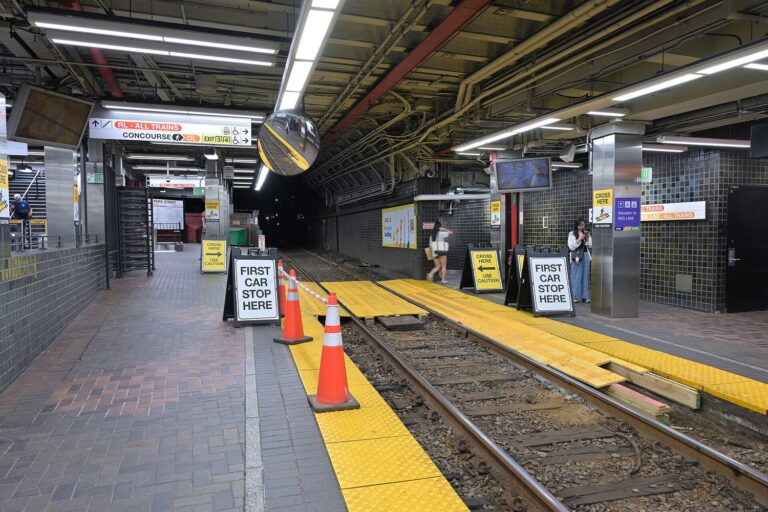
Ten thirty. A last drink, and then the practical constraint: last call is 2am but the last trains leave downtown around 12.30 to 1am. If you are staying in Cambridge or Somerville, that decides the end of the evening. If you are staying downtown or in Back Bay, walk home. Our Boston nightlife guide works through the arithmetic.
Music, theater and the arts
Boston’s cultural calendar runs September to May and is unusually strong for a city this size, largely because of the conservatories.
Symphony Hall, opened in 1900, is one of the three or four best-sounding concert halls in the world — it was the first built to published acoustical calculations rather than intuition — and the Boston Symphony Orchestra plays there from September through spring. Tickets range widely and the cheap seats sound as good as the expensive ones, which is not true everywhere. The Holiday Pops season fills December.
Jordan Hall at the New England Conservatory is the smaller, more intimate room, and a great deal of what happens there is free — student recitals and faculty concerts at a standard that would be ticketed elsewhere. Check the conservatory’s own calendar; it is the single best-value cultural offer in the city.
The Theater District carries touring productions and the local companies. Boston Ballet performs at the Citizens Bank Opera House, and its December Nutcracker is the hardest ticket of the Boston year.
Small live music is across the river, in Central Square in Cambridge and the Somerville squares, and it is where to go if a shared taste in music is part of what you have. It is also where you will need to think about getting home.
Doing nothing well
A category most guides ignore. If the point of the trip is to be somewhere pleasant rather than to see things, Boston supports that better than it advertises.
The hotel spa circuit in Back Bay and the Seaport is competent and expensive, and broadly what you would find in any large American city — treatments run from about $150. Nothing about it is specific to Boston.
What is specific: an afternoon in the Boston Public Library courtyard with a book and a coffee, which costs the price of the coffee; a long lunch in the South End on a weekday when the restaurants are half empty; a morning at Jamaica Pond, which has a 1.5-mile loop, a boathouse and almost no visitors; and the Arnold Arboretum, where you can spend three hours and speak to nobody. All free.
In winter the equivalent is a museum with a cafe and no schedule — the Gardner and the MFA both reward being wandered through rather than worked through, and the MFA stays open until 10pm on Thursdays and Fridays, which is the quietest and best time to be in it.
Anniversaries and special occasions
Some practical advice for a trip with a date attached to it.
Book the restaurant first and build the day around it, not the other way round. Boston’s best small rooms have limited covers and the good tables go two to four weeks out; on a Friday or Saturday in October or December, longer. Tell them it is an occasion when you book — kitchens here are generally good about it and will not make a production of it unless you want one.
Avoid the fixed-price occasion menus on Valentine’s Day and New Year’s Eve. Every restaurant in the city runs one, they are more expensive and narrower than the ordinary menu, and the room is full of other people having the same evening. Go on 12 or 16 February instead and eat properly.
Check the calendar for collisions. Marathon weekend in April, graduation two weeks in mid-to-late May and the Head of the Charles weekend in October all fill the city’s hotels and restaurants. Our Boston events guide lists them with dates.
Hotel upgrades are worth asking for directly rather than through a booking site — a short polite note to the property mentioning the occasion has a meaningfully better hit rate than a checkbox on an aggregator, and costs nothing.
A first trip together, and a fifth
Boston rewards repeat visits in a way that a checklist city does not, and what you should do depends on which one this is.
A first trip wants the greatest hits and they are genuinely good: the Public Garden, Beacon Hill, the Freedom Trail’s downtown half, the North End, the harbor, and one museum. Three days covers it comfortably and you will not feel rushed. Our Boston itinerary guide has the day-by-day.
A second or third trip should go outward: the Arnold Arboretum, Jamaica Pond and the Emerald Necklace; East Boston and the Piers Park view; Mount Auburn Cemetery in Cambridge; the Harbor Islands in season; and dinner in neighborhoods rather than downtown.
A fifth trip should leave the city. Rockport, Concord, Provincetown by ferry, the Berkshires, or coastal New Hampshire and Maine — Boston’s real advantage is what is an hour away from it, and after a few visits that becomes the reason to come back rather than the afterthought.
Weekends away within an hour
Boston’s real advantage for a couple is what is within reach of it without a long drive.
- Rockport and Cape Ann — an hour from North Station on the commuter rail, no car needed. A working harbor, Motif No. 1 on Bradley Wharf, granite headlands and inns. The best short escape from the city.
- Salem — thirty minutes by train. Worth it for the Peabody Essex Museum at $20 and the seventeenth-century streets. Avoid October weekends entirely; the town is at capacity all month.
- Concord — Walden Pond, Old North Bridge, Orchard House, and a village that has been trading on Thoreau since 1854 without cheapening it. Commuter rail from North Station.
- The Berkshires — two and a half hours west and a different proposition: Tanglewood in summer, foliage in October, inns and small museums. Needs a car.
- Provincetown — at the tip of Cape Cod, reachable by fast ferry from Boston in ninety minutes in season. A long-established LGBTQ+ resort town, beaches, dunes and a working art colony. Check the ferry season before planning.
- Portsmouth, New Hampshire and coastal Maine — an hour to ninety minutes north by car, and the coastline improves the whole way.
Our day trips from Boston guide has the fares and timings for the rail-accessible ones.
Getting around, for two
Two people moving around Boston is cheaper and simpler than most American cities, and a few specifics change how an evening runs.
A subway single is $2.40, a local bus $1.70, a day pass $11 and a seven-day pass $22.50. From 1 September 2026 the MBTA is piloting unlimited transfers within a two-hour window on the same payment method, so a bus-then-train trip costs the higher of the two fares rather than both. For a couple staying centrally, the day pass rarely pays back — you will walk most of it.
The exception worth paying for is the ferry. The Long Wharf to Charlestown crossing is ten minutes on a standard fare and it is the cheapest ten minutes of pleasure in the city, particularly at dusk. The longer commuter boats to Hingham and Hull take you down the whole harbor for the price of a commute.
Arriving from Logan, the Silver Line SL1 is free inbound to South Station, picking up at every terminal on the arrivals level. Two people save about $50 against a taxi and lose maybe fifteen minutes. Going the other way you pay the $1.70 bus fare. Our getting around Boston guide has the whole network.
Two warnings. Beacon Hill and the North End have brick sidewalks that have buckled with tree roots, which is charming in shoes you can walk in and miserable in anything else. And the T is not a 24-hour system, so an evening that ends across the river ends earlier than you think.
Where to stay for a couple
Remember that Boston hotel tax totals 14.95% — 5.7% state room occupancy excise, 6.5% city excise and 2.75% Convention Center Financing Fee — so a $350 room is a $402 room. Downtown overnight parking is charged separately and is high.
| Neighborhood | Why it works for two | The catch |
|---|---|---|
| Beacon Hill | The most atmospheric part of Boston, small hotels, and the Public Garden at the bottom of the hill | Limited stock, expensive, brick sidewalks and hills |
| Back Bay | Walkable, on the Green and Orange Lines, Newbury Street and the Esplanade both a few minutes away | Expensive, and the hotels are large rather than characterful |
| The North End and waterfront | Best position in the city — historic streets one side, harbor the other | Older buildings, small rooms, noisy on weekend nights |
| The South End | Residential, quiet, the best restaurants for a long dinner | Fewer hotels; mostly small properties and guesthouses |
| Cambridge | More room for the money, good food, and the river | The Red Line stops around 12.30–1am and a late ride back is expensive |
| Seaport | Biggest and newest rooms, real harbor views | Charmless, windy, and a walk from anything historic |
Our where to stay in Boston guide compares them properly, including the short-term rental rules — Boston restricts these to owner-occupied units and requires city registration, so check any listing carries a registration number.
What to skip
Three things sold specifically to couples that do not deliver.
Horse-drawn carriage rides around the Common and the Public Garden. They are expensive, they are short, the route is along traffic-heavy streets, and the experience is a transaction rather than a moment. Walk the same ground for nothing and it is better.
Boston Duck Tours at $57 an adult plus a 5% Convention Center fee and a $2 booking fee. Eighty minutes, amplified commentary, and about ten minutes on the Charles. It is a good-humored family attraction and it is the opposite of a romantic hour.
Quincy Market for dinner. A shopping-mall food court in a beautiful 1826 building, and the default choice of couples who did not plan. The North End is a ten-minute walk. Faneuil Hall itself, with the free National Park Service talks in the Great Hall, is worth twenty minutes; the eating is not.
A fourth, more general: do not over-plan. Boston rewards an afternoon with nothing in it more than most cities, because the good things are close together and stumbled into. Two fixed points a day is enough.
Three itineraries
A weekend that costs almost nothing
Friday evening: walk the Public Garden and Beacon Hill at dusk, dinner in the North End, walk the waterfront afterwards. Saturday: the Boston Public Library courtyard and Bates Hall in the morning, the Mapparium at $6, lunch in Back Bay, the Esplanade in the late afternoon for sunset. Sunday: the Arnold Arboretum on the Orange Line, then a late lunch in Jamaica Plain. Total admissions: $12.
A weekend with a budget
Friday: View Boston at dusk with the “Sips & Sights” ticket at $48, dinner in the South End. Saturday: the Gardner Museum at $25 each, lunch in the Fenway, an afternoon on Charles Street, dinner in Beacon Hill. Sunday: the Harbor Islands ferry to Georges Island at $25 return if it is in season, or the Charlestown ferry and USS Constitution if it is not.
A weekend out of the city
Friday: arrive, dinner in the North End. Saturday: commuter rail from North Station to Rockport, spend the day on Cape Ann, come back on a late afternoon train. Sunday: the Esplanade, the Public Garden and a long lunch before flying home. Two rail fares and no car.
Proposing in Boston, if that is why you are asking
People do ask. The places that work, in rough order: the Public Garden lagoon bridge early in the morning before anyone is about; the Boston Public Library courtyard; the top of Bunker Hill Monument if you can both manage 294 steps and want the view to yourselves; the Esplanade at sunset; Piers Park in East Boston with the skyline straight across the water; and the Arnold Arboretum on a weekday, where you will genuinely be alone.
Practical notes: the Public Garden and the Common are public parks and no permission is needed, but a photographer working commercially may need one — check with Boston Parks and Recreation. Museums and private venues generally do require advance arrangement, and most will help if you ask. And the Swan Boats stop running on the first weekend of September, which has ruined more than one plan.
Frequently asked questions
What are the most romantic things to do in Boston?
Walking the Public Garden and Beacon Hill at dusk, the Esplanade at sunset, the Boston Public Library courtyard, the Mapparium at $6, the Gardner Museum on a free Thursday evening, and a long dinner in a small North End or South End room. Almost none of the best options are expensive.
Is Boston a good city for a couples’ trip?
Yes, particularly for people who like walking, eating and looking at things rather than nightlife. The historic core is about three miles end to end, the restaurant scene is strongest in small rooms, and there is a great deal within an hour by train. It is not a late-night city — last call is 2am and the trains stop around 12.30.
When is the best time of year for a romantic trip to Boston?
Late September and October. The weather is the best of the year, city foliage peaks mid-to-late October, and the light is exceptional. Spring is the runner-up but collides with graduation season in mid-May, when every hotel room in the region disappears.
How much is the Mapparium?
$6 for adults and free for under-18s, on a timed ticket, at the Mary Baker Eddy Library on the Christian Science Plaza. It is a three-story stained-glass globe from 1935 that you walk through on a glass bridge, and the acoustics inside are the reason to go. Check current hours on the library’s own site.
Are the Swan Boats worth it?
Yes, for $4.75 and fifteen minutes — they have run on the Public Garden lagoon since 1877 under the same family. But they are strictly seasonal: the 2026 season ran 18 April to 7 September, so a fall or winter visit finds the lagoon empty.
Where is the best view of Boston for a couple?
View Boston on the 52nd floor of the Prudential at $34 plus a $3 fee, open daily to 10pm, is the best paid view. The best view overall is free: the Charles River Esplanade or the Cambridge bank opposite Back Bay in the hour before sunset.
Are Boston harbor dinner cruises worth booking?
Generally not. They are a buffet on a boat at a premium price. The harbor is genuinely worth being on — take the $25 Harbor Islands ferry in season, or a commuter boat in the late afternoon, and eat on land afterwards.
Where should you propose in Boston?
The Public Garden lagoon bridge early in the morning, the Boston Public Library courtyard, the Esplanade at sunset, Piers Park in East Boston, or the Arnold Arboretum on a weekday. Public parks need no permission for a private proposal, though a commercial photographer may; museums and private venues need arranging in advance.
What is the best romantic day trip from Boston?
Rockport on Cape Ann, an hour from North Station on the commuter rail with no car needed — a working harbor, granite headlands and a village that has not been over-restored. Concord and Salem are the other rail-accessible options, and Provincetown is reachable by fast ferry in season.
How much does a romantic weekend in Boston cost?
The admissions are the cheap part: a full weekend of the best things here can cost under $15 a head. The room is the expense, and Boston hotel tax adds 14.95% to the rate. Budget for two dinners at $80 to $150 for two including tax and tip, and remember January and February are dramatically cheaper than October.
A summer evening on the grass is still one of the simplest pleasures in the city. Our guide to Boston Common covers the free Shakespeare performances, the view of the State House dome in low fall light, and skating on the Frog Pond in winter, with Beacon Hill rising behind the rink.
Fifteen quiet minutes on the Public Garden lagoon, under the willows and the little bridge, is about as old-fashioned as a date in Boston gets. Our guide to the Swan Boats has the season, fares and hours, and what the Garden offers when the boats are out of the water.
For a drink with the whole city below you, time a visit to the View Boston observation deck for about 45 minutes before sunset. Our guide explains the $48 Sips & Sights ticket, the Stratus lounge beside the 51st-floor terrace, and which months give the clearest evening light.
Some of the most romantic moments in the city cost only a subway fare. Our guide to the best views in Boston includes a sunset-to-night route — the Longfellow Bridge in the late afternoon, then the Blue Line to Piers Park in East Boston to watch the skyline light up across the harbor — plus the best spots for every time of day.
If you want a picture of the two of you to remember the trip by, the city is generous with backdrops. Our guide to the most Instagrammable places in Boston sets out where to stand, when the light is best and how to get Acorn Street without a crowd behind you.