On a Tuesday morning on Central Wharf there is a line of strollers fifty yards long outside the New England Aquarium, and about half the parents in it are holding a phone showing a museum website that says, in small gray type, “closed Tuesdays.” That is the whole problem with Boston with kids in one image: the city is genuinely one of the best in America for a family vacation, small enough to walk, stuffed with things a seven-year-old will remember for a decade — and the details will get you if you have not checked them. Half the big museums shut one day a week, and it is not always the same day.
This guide covers the attractions worth the ticket and the ones that are not, the free days out that children actually like, how to move a family of four around on the T without losing your temper, what a day costs in real dollars, and how the year splits into seasons that change what is even possible. All prices were checked in September 2026; confirm before you book, because peak-day pricing has crept into more places here than it used to be.
Why Boston is easier with children than most American cities
The reason is geography. The historic core of Boston is about three miles from end to end, and the section that holds most of what families come for — the Common, the Public Garden, the Freedom Trail, the waterfront, the North End — is closer to a mile and a half. You can walk from the Public Garden to the North End in about half an hour with an adult stride, or roughly an hour with a five-year-old who stops to look at every dog. Almost nowhere else in the country puts this much within stroller distance.
It also means you can build days that do not depend on a car. Boston was laid out for people on foot, then filled in around them, and the result is a city where a family can spend four days without ever getting into a vehicle except the T. Anyone who has tried the same trip in Los Angeles or Orlando will understand what that is worth by about day two.
The second advantage is that Boston’s headline attractions are unusually well suited to a wide age range. The Aquarium works from about two upwards. The Museum of Science works from four to about seventy. The Freedom Trail is a red line in the pavement, which is the single best piece of child-friendly wayfinding in any American city — you do not need a map, you need to tell a six-year-old to follow the red bricks and not lose them.
The disadvantages are worth stating too. Boston is expensive, particularly for accommodation; the sidewalks in Beacon Hill and the North End are brick, uneven and hostile to wheels; and the weather does a lot of the deciding. A January trip and a July trip to the same city are almost different vacations.
The paid attractions that earn their ticket
These are the places where the money goes. Prices below are the gate prices checked in September 2026 — some of these operators now run peak-day pricing, so treat them as the floor rather than the ceiling.
New England Aquarium — $39.95 adult, $30.95 child
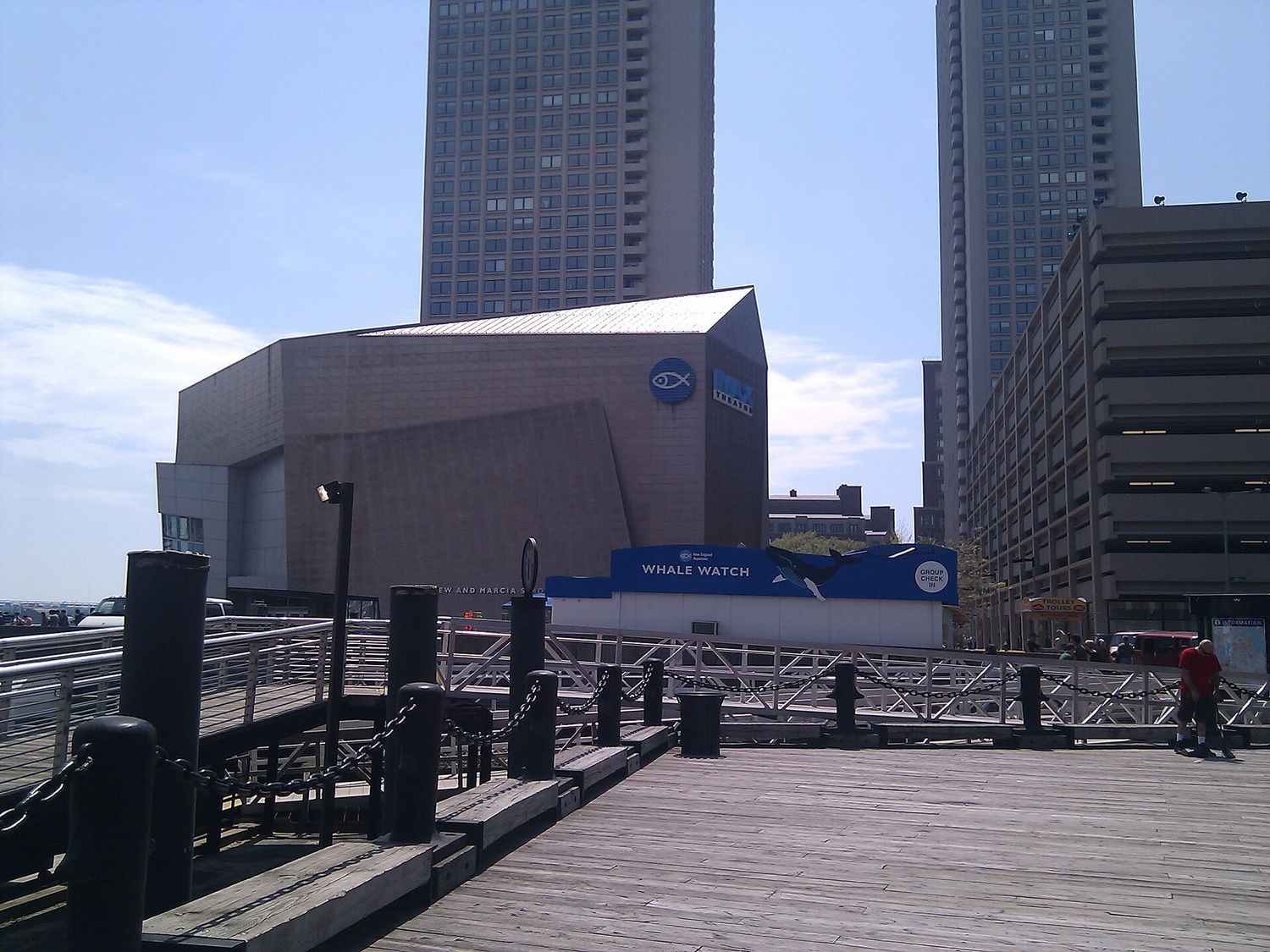
The building is organized around a four-story cylindrical Giant Ocean Tank with a spiral ramp winding around the outside of it, which means a small child can walk downwards in a slow circle and keep seeing new things at their own eye level rather than being lifted up to look into a box. It is a genuinely clever piece of design and it is the reason this is the single best paid attraction in Boston for children under about eight.
Adult admission is $39.95, children aged 3 to 11 pay $30.95, and seniors over 60 pay $37.95. Under-threes are free. Weekday hours run 9am to 5pm and weekends 9am to 6pm. New England residents get $5 off outside peak periods, which is worth knowing if you are visiting family in the region rather than flying in. Timed entry is the norm — book the slot online, because the walk-up line on a wet Saturday is genuinely miserable.
Two practical notes. First, the ramp is a one-way spiral and it is busy: if you are pushing a stroller, go early rather than at midday. Second, the seals and sea lions are outdoors in front of the building and can be watched for nothing at all from the plaza, which is a useful five minutes if you are killing time before a ferry. Full details are on the Aquarium’s own site.
Museum of Science — around $33 adult, $28 child
Sitting on the dam across the Charles River between Boston and Cambridge, the Museum of Science is the one that works for the widest age spread, and it is where you should go if your children are between about six and fourteen. Admission is around $33 for adults and $28 for children aged 3 to 11, with seniors around $29, and it is open daily 9am to 5pm. The Planetarium and the Mugar Omni theater are each around $6 extra on top.
The thing to understand about this museum is that the exhibit halls alone will take you three to four hours if your children engage with them properly, and adding a Planetarium show and an Omni film turns it into a full day. That is fine — but do not schedule anything else that afternoon. Families routinely book the Museum of Science for the morning and something else for 2pm and end up abandoning one of them.
The Charles River location is also its own attraction. Science Park station on the Green Line puts you on the dam itself, and the walk out to the Museum’s terrace gives you a river view with the Zakim bridge on one side and the Back Bay skyline on the other. It is a good place to eat a packed lunch.
Boston Children’s Museum — $24 flat, closed Tuesdays
This one is aimed squarely at under-tens and is priced with brutal simplicity: everyone aged one and over pays $24, adults included, and babies under twelve months are free. There is no cheaper adult ticket, which surprises people. Hours are Wednesday to Monday, 9am to 4pm, closed Tuesdays, with a 10am opening on the first Saturday of each month.
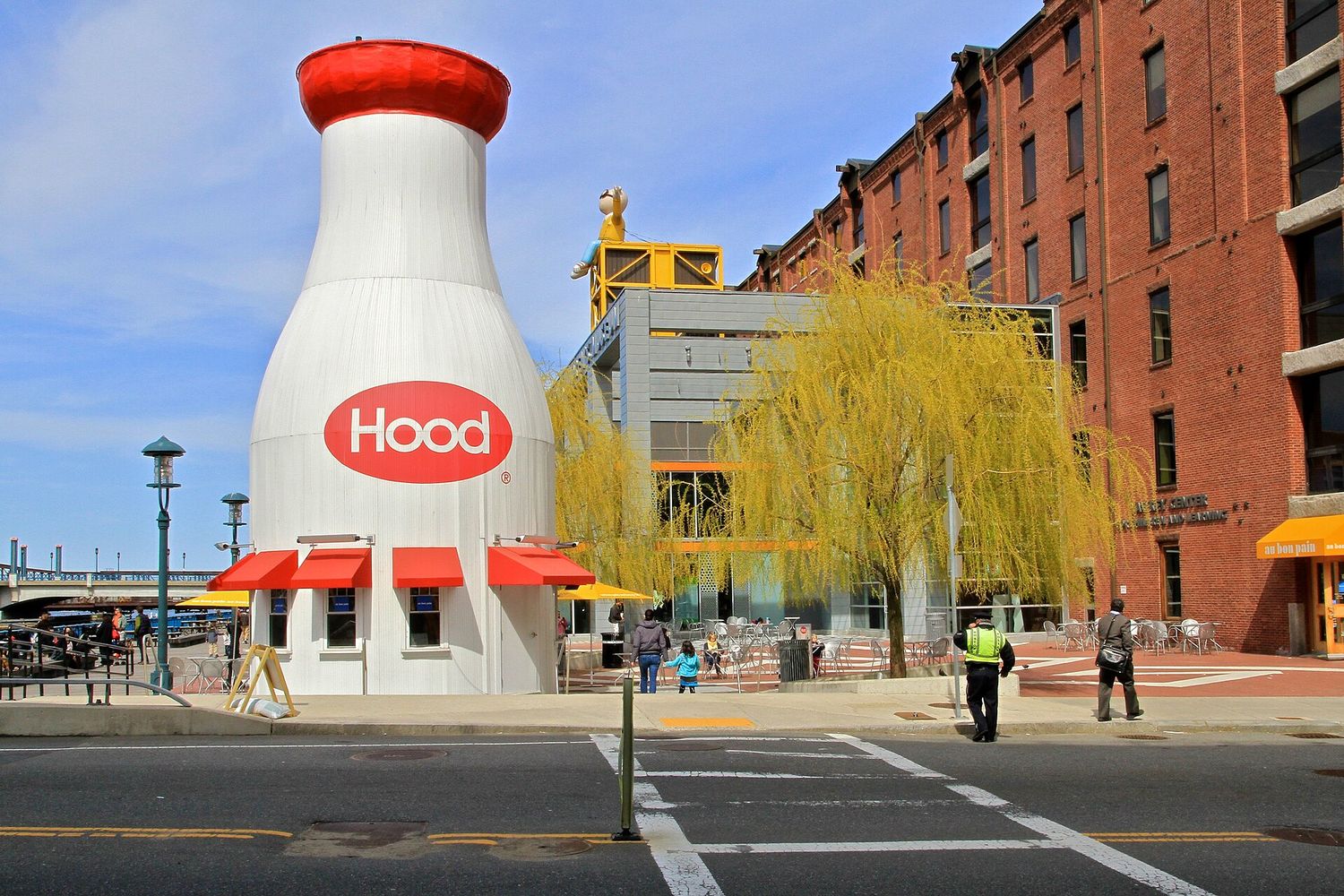
It sits on Fort Point Channel, a short walk from South Station, and you will find it by looking for the forty-foot Hood milk bottle standing outside — a 1930s roadside stand that was floated across the harbor on a barge in 1977 and has been the museum’s front doorstep ever since. Inside, the three-story climbing structure in the atrium is the thing children make straight for, and the Japanese house — a genuine two-story silk merchant’s house from Kyoto, dismantled and rebuilt inside the building — is the thing the adults remember.
The honest verdict: if your children are over about nine, skip it and put the $96 a family of four would spend here into the Museum of Science instead. Between about two and eight, it is one of the best-value days in the city. Check current hours on the museum’s site before you go, because it closes for maintenance periods more often than most Boston attractions.
Franklin Park Zoo — roughly $20–25 adult
Out in Franklin Park at the far end of the Emerald Necklace, the zoo runs date-and-time-based pricing that moves around, so a single quoted figure would be dishonest. The published group rate for parties of ten or more is $21.95 adult and $14.95 child, and gate prices for individuals sit in roughly that band, cheapest booked online in advance. Under-twos are always free. Hours are 10am to 5pm on weekdays and 10am to 6pm at weekends from 1 April to 30 September, then 10am to 4pm daily from 1 October to 31 March.
It is a good zoo rather than a great one, and it is a proper journey out from downtown — Orange Line to Forest Hills then a bus, or the Fairmount commuter rail line to Blue Hill Avenue. Do it as a whole morning or not at all. In practice most visiting families with limited days skip it, and that is a defensible choice: the Aquarium is closer and better.
View Boston — $34 plus a $3 fee, and a promotion worth knowing about
The observation floors at the top of the Prudential Tower cost $34 plus a $3 booking fee, are open daily from 10am to 10pm, and currently run a promotion where one paying adult brings up to four under-thirteens free. That single fact turns View Boston from an expensive fifteen minutes into one of the better family-value tickets in the city — a parent and three children for $37 total, against roughly $130 at the Aquarium.
Check the promotion is still running when you book, because it is a marketing offer rather than a permanent price, and it is exactly the sort of thing that quietly disappears. Go at dusk if you can; the 52nd-floor view of the Charles with the lights coming on is the version worth paying for.
What is not worth it, honestly
Every family guide to this city recommends the Duck Tours. We are going to be blunt about them. Boston Duck Tours costs $57 for an adult and $42 for a child aged 3 to 11, plus a 5% Convention Center fee and a $2 online booking fee on top of that. For a family of four with two children that is comfortably over $210 to be driven around a city you can walk across in an hour, followed by about ten minutes floating on the Charles River.
Children do enjoy the splash-down into the river, and the quacking is genuinely funny for the first four minutes. But at that price it is the single most expensive eighty minutes on offer in Boston, and the same family could do the Aquarium and still have money left. If you want to be on the water with children, take the harbor ferry, which costs a few dollars, or a Harbor Islands boat, which costs $25. The season runs roughly from late March to the Sunday after Thanksgiving, if you decide the memory is worth it anyway.
Two others. The Quincy Market food court is a shopping-mall food hall inside a handsome 1826 building, and families end up there because it is central and it is obvious. The food is mediocre and expensive. Faneuil Hall next door — the actual hall upstairs, with the National Park Service ranger talks in the Great Hall — is free and worth twenty minutes, and then you should walk five minutes into the North End and eat properly. And the hop-on hop-off bus tours make very little sense in a city this compact; you will spend more time waiting for the next bus than you would have spent walking.
Free days out that children actually enjoy
Boston has an unusually strong free tier, and with children it does a lot of the heavy lifting between paid attractions. Our guide to free things to do in Boston covers the whole list; these are the ones that work specifically with kids.
Boston Common and the Public Garden
Public land since 1634 and the oldest public park in the United States, the Common is where a family trip to Boston tends to start and restart. The Tadpole Playground near the Frog Pond is a proper playground, not an afterthought. The Frog Pond itself is a spray pool in summer, a skating rink from mid-November to March at $10 for adults and free for children under 58 inches, and a shallow puddle in between — check which of the three you are getting before you promise anything.
Across Charles Street, the Public Garden is the formal one: first public botanical garden in America, laid out in 1837, with the lagoon and the little suspension bridge. The bronze Make Way for Ducklings ducklings by the Beacon Street corner are a small child’s favorite thing in Boston roughly as often as any paid attraction, and cost nothing.
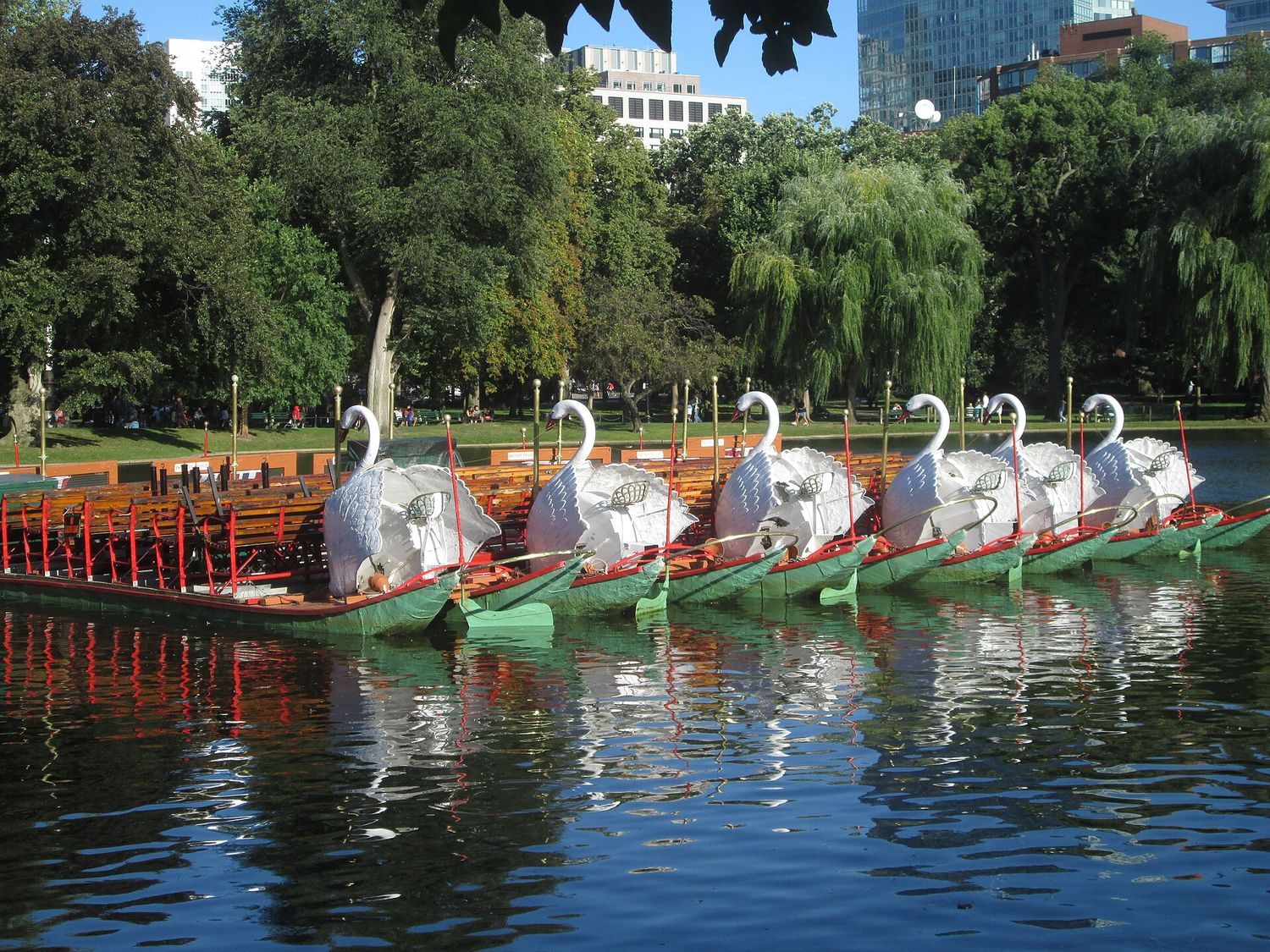
One warning specific to the time of year. The Swan Boats are seasonal: the 2026 season ran from 18 April to 7 September, and they will not be back on the water until mid-April 2027. At $4.75 for adults and $3.25 for children aged 2 to 15 they are one of the cheapest fifteen minutes in Boston when they are running — but do not promise a swan boat ride to a four-year-old in October.
The Christian Science Plaza reflecting pool
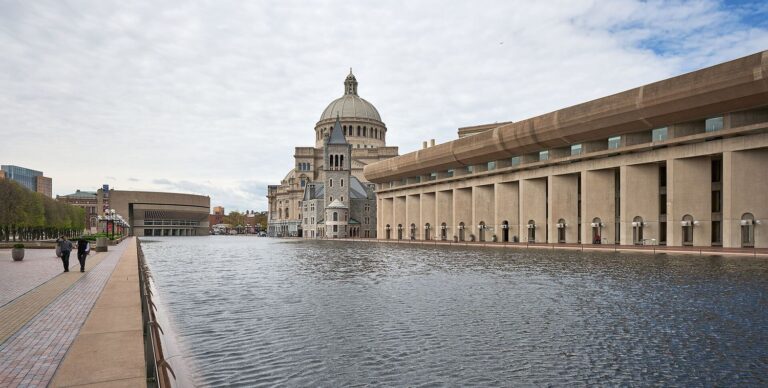
A 670-foot reflecting pool with a fountain at one end, in front of the Mother Church off Huntington Avenue. On a hot day in July the fountain is a free splash pad and half the Back Bay’s under-sevens are in it. It is a ten-minute walk from the Prudential and almost nobody who has not been told about it goes.
The Charles River Esplanade
Three miles of riverside park on the Boston bank, with playgrounds, the Hatch Shell where the Pops play on the Fourth of July, and a lagoon. It is flat, paved and entirely stroller-friendly, which is more than can be said for Beacon Hill twenty minutes’ walk away. The stretch between the Arthur Fiedler footbridge and the Museum of Science is the good part.
The Boston Public Library
The McKim Building of 1895 was the first large free municipal library in America, and it does not feel like a place to take children until you have been. There is a children’s room, a courtyard modeled on a Roman palazzo where nobody minds a toddler making noise, and Bates Hall — a 218-foot barrel-vaulted reading room with green lamps — which impresses children far more than you would expect. Free architecture tours run most days.
USS Constitution and the Navy Yard
Free, and the best history for children in the city. Launched in 1797, still a commissioned US Navy warship, still crewed by active-duty sailors who show you around her. Adults over 18 need photo ID to board. The USS Constitution Museum next door is also free with a suggested donation of $10–15 for adults and $5–10 for children, and it is the rare museum that is designed for children first — you can haul on a rope to see how hard it was, and lie in a hammock.
History with children: how much Freedom Trail is too much
The full Freedom Trail is 2.5 miles and sixteen official sites, and walking the whole thing in one go with children under about ten is a mistake that ruins the afternoon. The trail is free and always open, so you are free to break it up, and you should.
The version that works: start at Boston Common, walk the downtown half as far as Faneuil Hall — that is the Granary Burying Ground, King’s Chapel, the Old State House with the lion and unicorn on the roof, and the site of the Boston Massacre marked by a ring of cobbles in a traffic island — then stop, eat, and do the North End and Charlestown half on a different day. Downtown to Faneuil Hall is about a mile and takes an unhurried family ninety minutes with stops.
Individual admissions on the trail are cheap by Boston standards. The Paul Revere House, built around 1680 and the oldest surviving house in downtown Boston, is $6 for adults and $1 for children aged 5 to 17, and takes about forty minutes. Old North Church, 1723, is $10 for adults and $5 for young people, free for 5 and under (checked September 2026), and the ticket now includes the crypt, an audio adventure for children and a family scavenger hunt; the 25-minute bell chamber tour, up two steep flights, brings it to $15 and $10. The Old State House and Old South Meeting House share one $18 adult and $10 child Revolutionary Spaces ticket and both open daily 10am to 5pm.
The Bunker Hill Monument at the far end is free and is 294 steps with no elevator. Children over about eight love it; anyone carrying a toddler will not. There is no shame in admiring it from the bottom. The National Park Service runs the Charlestown Navy Yard and part of the trail — programming and ranger walks are listed on nps.gov/bost.
The paid Walk Into History tour, led by a guide in eighteenth-century costume, is $17 for adults and $8 for children aged 6 to 12, runs ninety minutes and covers eleven of the sixteen sites, departing Boston Common at 10, 11, 12, 1 and 2 daily. For children who need a person rather than a plaque to make history land, it is the best $8 you will spend. For under-sixes, ninety minutes of standing and listening is too long.
Sport, and the Fenway Park tour
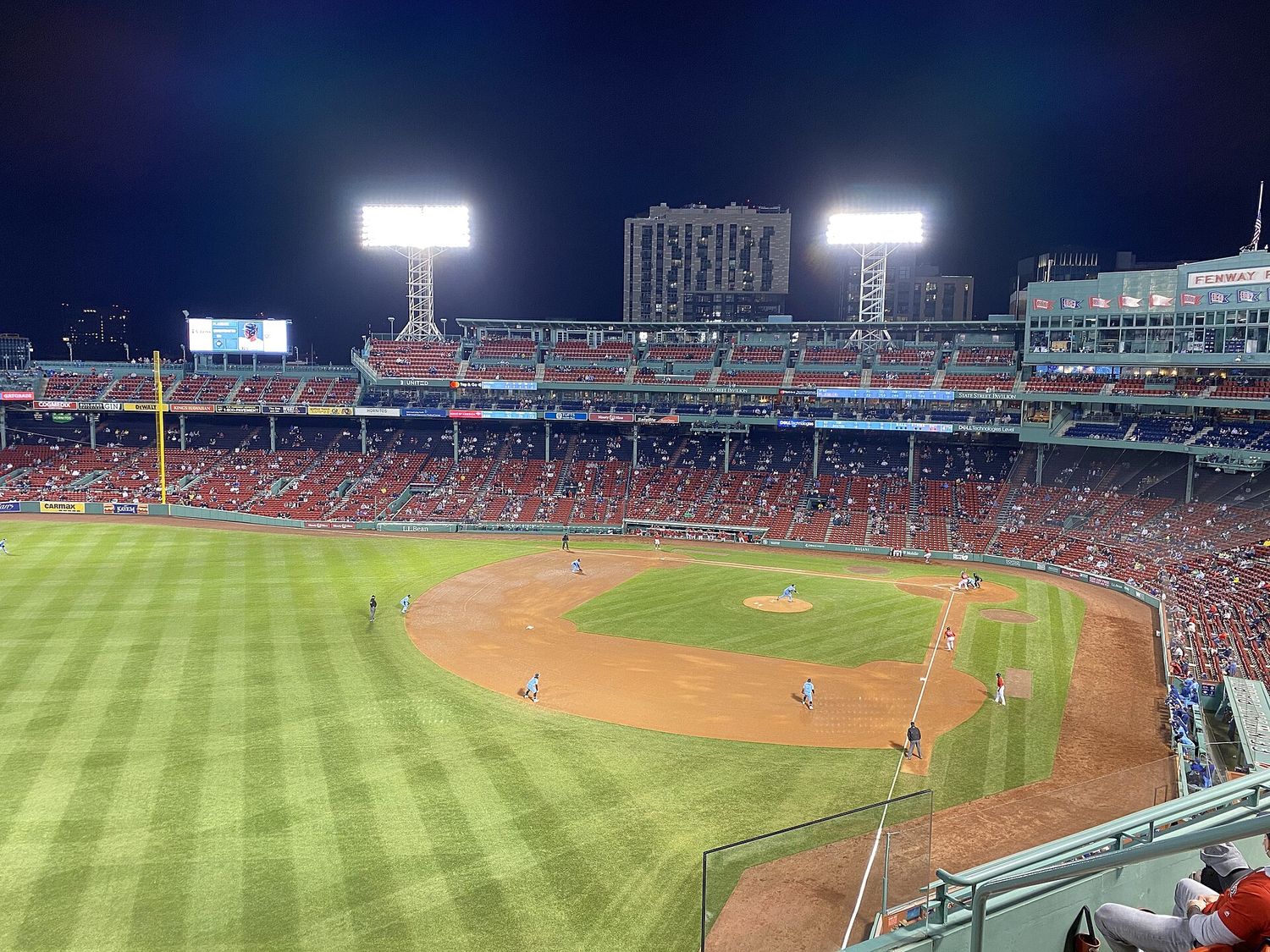
The Fenway Park tour costs $30 for adults and $21 for children aged 3 to 12, runs hourly from Gate D on Jersey Street, and operates 9am to 5pm from April to October and 10am to 5pm from November to March, with the last tour three hours before first pitch on game days. It lasts about an hour, you stand on the warning track, and you get taken up to the Green Monster seats on top of the 37-foot left field wall. It works even for children with no interest in baseball, because the building itself — opened in 1912, the oldest park in the majors, awkwardly shaped because it was squeezed into a city block — is the story.
An actual Red Sox game is a bigger commitment. Nine innings runs close to three hours, tickets for a family of four in a decent section run well into three figures, and the first six-year-old meltdown usually arrives in the fifth. If you want a game, take the tour first so they know what they are looking at, sit somewhere with shade in July, and accept that you may leave in the seventh. Our full things to do in Boston guide has more on the sporting calendar.
Boats, the harbor and the islands
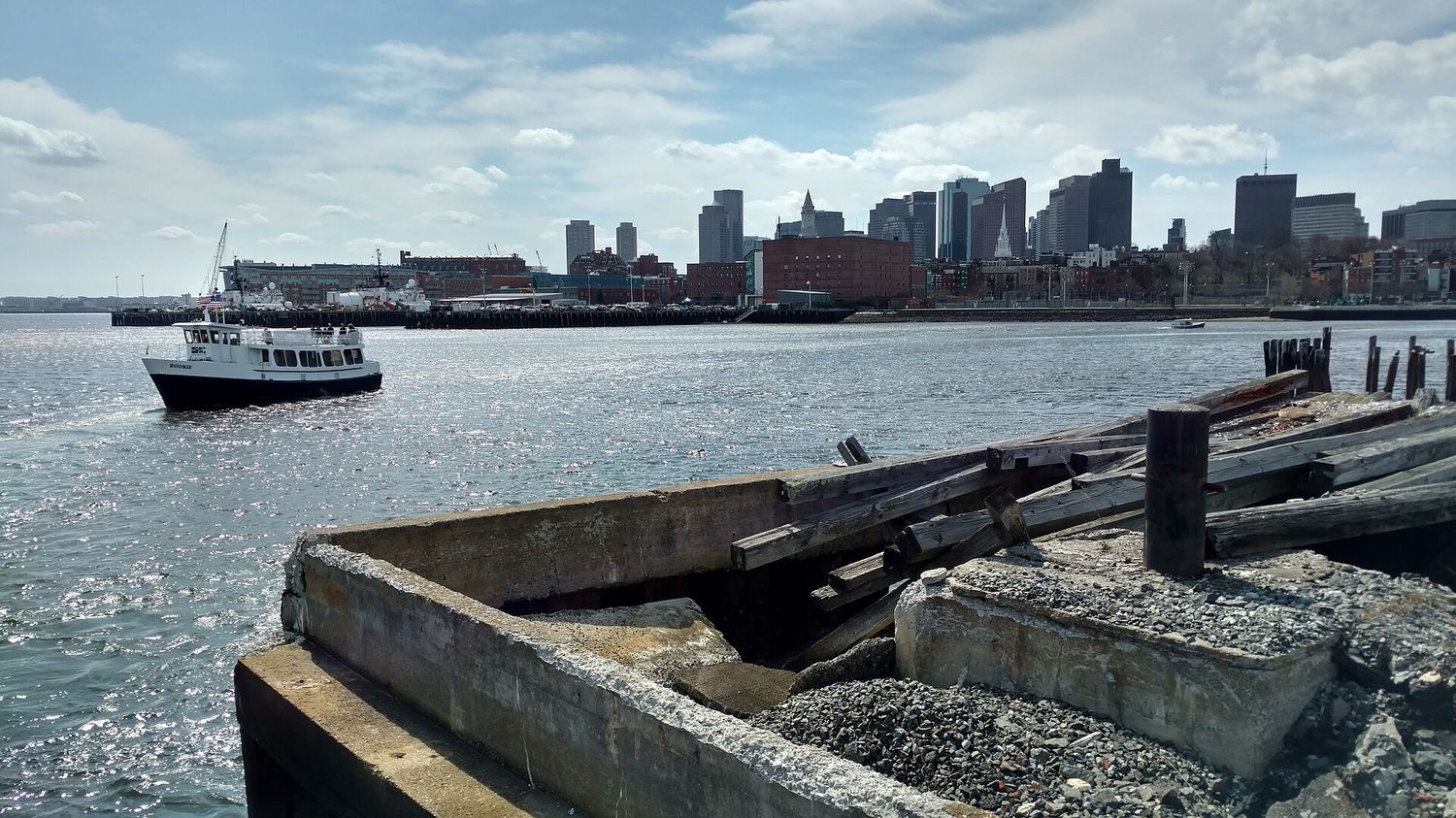
Children who have been walked around a historic city for two days will forgive you a great deal if you put them on a boat. Boston makes this easy and it does not have to be expensive.
The cheapest option is the MBTA harbor ferry, which is a commuter service rather than a tour and costs accordingly. It crosses from Long Wharf to Charlestown Navy Yard in about ten minutes, which is both a boat ride and the transport to USS Constitution — one fare doing two jobs. Details and current fares are on mbta.com.
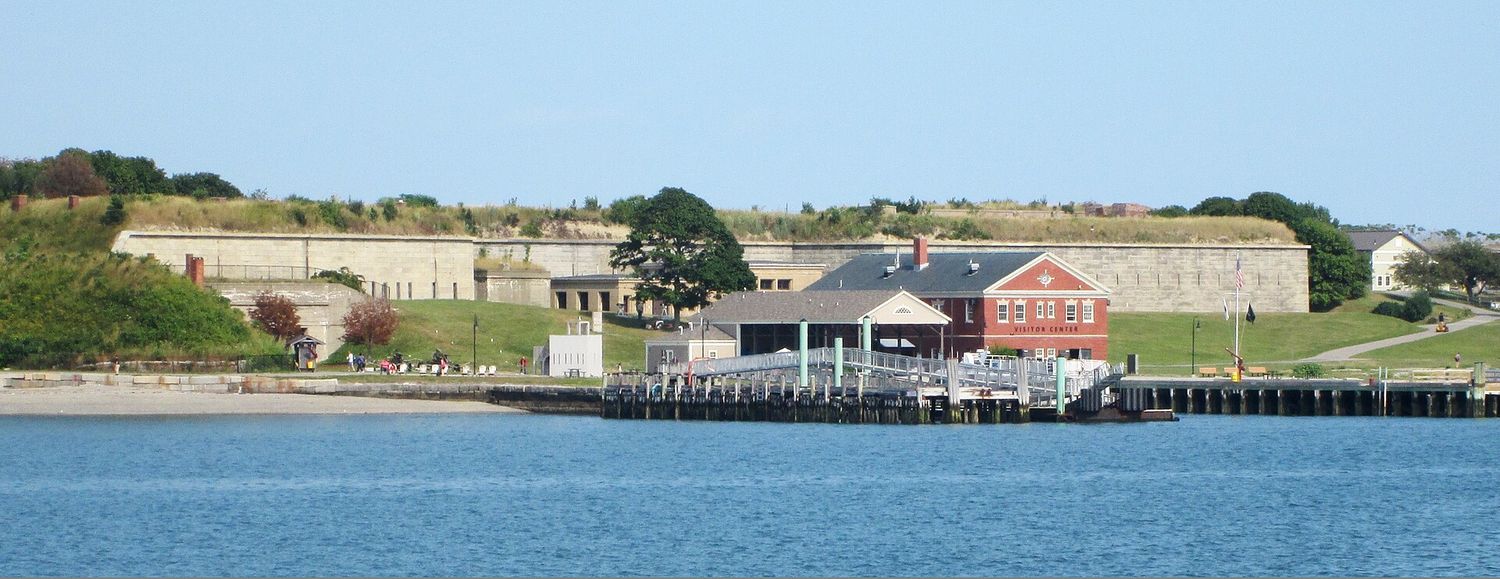
The Boston Harbor Islands are a national and state park of 34 islands, and the ferry from Long Wharf North costs $25 for adults, $18 for children aged 3 to 11 and $23 for seniors, return. The 2026 season runs from mid-May to Indigenous Peoples’ Day weekend in October, so a summer or early-fall trip catches it and a winter trip does not. Georges Island is the one to pick with children: it has Fort Warren, a Civil War-era granite fort with dark corridors that children will run down shouting, and it reopened on 15 May 2026 after water-main repairs. Spectacle Island has swimming and hills built out of Big Dig spoil.
Whale watches leave from the Aquarium’s own dock and run roughly April to November, going about thirty miles out to Stellwagen Bank and taking three to four hours. Be honest with yourself about this one: it is a long trip on open water, seasickness is common, and a child under about six who is unwell an hour out has nowhere to go for the next two. From about eight upwards, seeing a humpback breach is the best thing on this list.
Rainy day plans, and why you need three of them
Boston rain is often horizontal, and there is no dry season — precipitation is spread fairly evenly across the year at around 49 inches annually. You will lose at least one day to weather on a week-long trip. Have these ready:
- Museum of Science — the four-hour option, and the Omni theater is a good place to be when it is loud outside.
- New England Aquarium — indoors apart from the seals, and the IMAX is on the same site.
- Boston Children’s Museum — for the under-tens, and it is a short covered-ish walk from South Station.
- Boston Public Library — free, warm, and larger than you expect. Two hours disappear.
- The Prudential Center and Copley Place — connected by an enclosed bridge over Huntington Avenue, so you can cross a large part of Back Bay without going outside. This is a genuinely useful piece of Boston geography in February.
- Harvard Museum of Natural History — the glass flowers, and the dinosaur hall. Across the river in Cambridge, on the Red Line.
What does not work in the rain: the Freedom Trail, the Harbor Islands, Fenway’s outdoor sections and any plan involving the Common. Do not try to push through it; Boston in driving rain with wet children is a bad memory in the making.
Getting around with a stroller, a toddler and a car seat
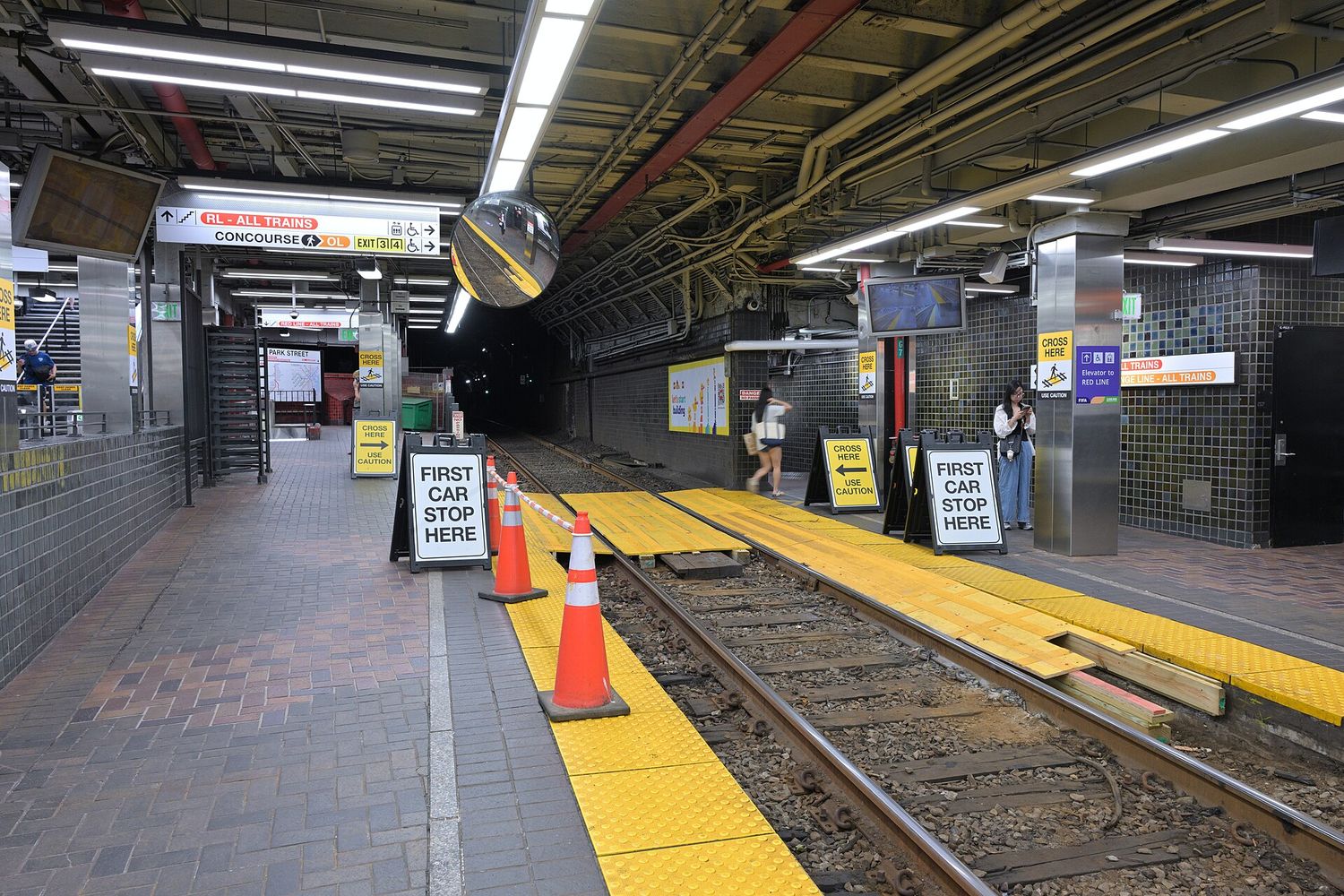
The T is cheap and it is the right way to move a family around, but a few things about it matter more with children than without. A subway single is $2.40 and a local bus is $1.70, with reduced fares at $1.10. A one-day pass is $11 and a seven-day pass is $22.50 — for a family doing four or more journeys a day, the day pass pays back quickly, and the seven-day pass is the obvious choice for a week.
From 1 September 2026 the MBTA is piloting unlimited transfers within a two-hour window on the same payment method, so you pay the highest-priced service you use rather than every leg. With children this changes the arithmetic of a bus-then-subway journey considerably.
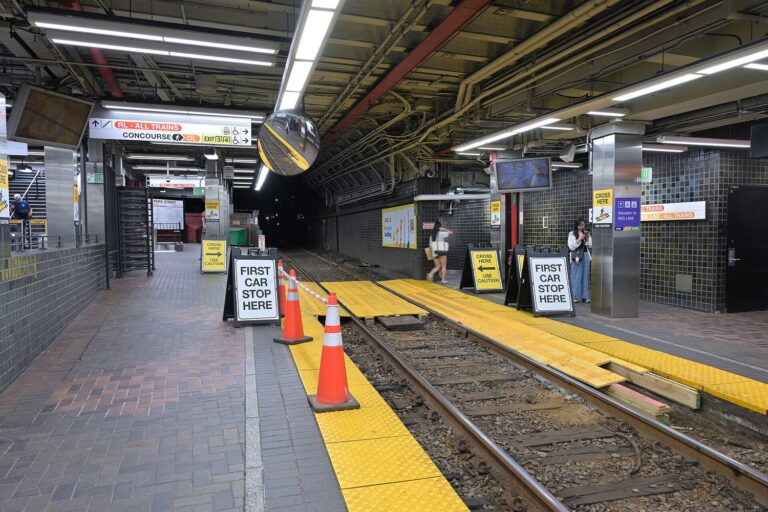
Practical warnings. Not every station has an elevator, and the older Green Line stops in particular have stairs and narrow platforms — check step-free access on the MBTA site before you commit to a station with a stroller. The Green Line’s central subway is the busiest and least stroller-friendly stretch in the system at rush hour. And the T is not a 24-hour system: last trains leave downtown roughly between 12.30 and 1am, which matters if you are coming back from an evening game.
Coming from the airport, the Silver Line SL1 is free inbound from Logan to South Station, picking up at every terminal on the arrivals level, and it connects to the Red Line. With luggage and children this is comfortably the best-value airport transfer in the United States. Going the other way, out to the airport, you pay the $1.70 bus fare. The Blue Line alternative uses a free Massport shuttle from the terminals to Airport station and then a $2.40 subway fare.
On taxis and rideshares: Massachusetts requires children under eight and under 57 inches to be in a child restraint, and rideshare drivers do not carry them. If you are arriving with a small child and no car seat, the Silver Line solves a problem that is otherwise genuinely awkward. Our guide to getting around Boston goes through every mode in detail.
Where to stay with children
The single biggest variable in the cost of a family trip to Boston is the room, and the second biggest is the tax on it. Boston hotel tax totals 14.95% on the room rate — 5.7% Massachusetts room occupancy excise, 6.5% City of Boston local excise and a 2.75% Convention Center Financing Fee. A $300 room is a $345 room. Always quote yourself the rate plus 14.95%.
Downtown overnight hotel parking is charged separately, per night, and it is high. If you are driving to Boston, the arithmetic frequently favours a hotel outside the city on a T line with free parking, and taking the train in — though with young children the extra transit each day has its own cost in patience.
| Area | Good for families because | The catch |
|---|---|---|
| Back Bay | Flat, walkable, on the Green and Orange Lines, near the Esplanade and Public Garden, plenty of chain hotels with family rooms | Expensive; restaurants skew adult |
| Seaport | Newest hotel stock, biggest rooms, next to the Children’s Museum, Silver Line straight from Logan | Windy, charmless in winter, a long walk from the historic core |
| Downtown / Faneuil | You can walk to almost everything; Freedom Trail on the doorstep | Older buildings, small rooms, noisy at night |
| Cambridge (Kendall/Harvard) | Often cheaper, Red Line to downtown, good casual food, Museum of Science close | Everything Boston-side is a train ride away |
| Brookline / Longwood | Residential, quieter, more space for the money, Green Line D branch | Journeys into town add up over a week |
On short-term rentals: Boston restricts them to owner-occupied units and requires registration with the city, so investor-owned whole-unit listings are not permitted. Check that any listing you book carries a city registration number, because unregistered listings do get taken down, occasionally at short notice. Our full where to stay in Boston guide has the neighborhood-by-neighborhood detail.
Eating out with children in Boston
Boston is a good eating city that is not always an easy one with children, mostly because the best of it is small rooms with no reservations and long lines. Some rules that hold up.
The North End is the answer more often than not. Hanover Street and the streets off it are full of Italian restaurants that are entirely used to children, serve early, and will bring bread immediately, which solves most problems. Afterwards the cannoli argument is Mike’s Pastry against Modern Pastry — Mike’s is the famous one with the line and the string-tied boxes, Modern fills the shell to order, which is the better cannoli and the shorter wait. Let the children pick and do not be precious about it.
Chowder is the other thing to get right. Every tourist restaurant on the waterfront serves it and most of it is thickened past the point of interest; the version worth eating is thinner than you expect and tastes of clams rather than cream. Union Oyster House has the history — it claims to be America’s oldest continuously operating restaurant — and Neptune Oyster has the oysters and a line that no family with a hungry six-year-old should join.
Two practical notes. Boston restaurants generally serve dinner from 5pm, which suits families and means a 5.15pm table is often available where a 7.30pm one is not. And the food halls at Time Out Market in Fenway and the Boston Public Market near Haymarket both solve the everyone-wants-something-different problem better than a restaurant does — the Public Market is a proper local food market rather than a tourist one. See our Boston food and restaurants guide for the full picture.
What a family day actually costs
The numbers below are for two adults and two children aged around 6 and 9, using September 2026 gate prices, and assume you are walking or using the T rather than driving. Food is estimated at a moderate rather than a frugal level.
| Day | Attractions | Transport | Food | Family total |
|---|---|---|---|---|
| Aquarium day | $141.80 (2 adult, 2 child) | $22 (2 day passes; kids often free or reduced) | ~$90 | ~$254 |
| Museum of Science day | ~$122 plus ~$24 for a Planetarium show | $22 | ~$80 | ~$248 |
| Children’s Museum day | $96 flat | $22 | ~$70 | ~$188 |
| Freedom Trail day | $0 walking, or $50 with Walk Into History for four | $0 — it is a walk | ~$80 | $80–130 |
| Harbor Islands day | $86 ferry for four | $0 extra | ~$50 (take a picnic) | ~$136 |
| Free day (Common, BPL, USS Constitution) | $0, plus ~$30 in museum donations if you give | $22 | ~$70 | ~$92–122 |
The pattern is worth reading: paid-attraction days run $190–260 for a family of four before accommodation, and free days run under $130. A week that alternates them costs roughly two-thirds of a week that does not, and children generally prefer the alternating version anyway.
Do the passes pay back for a family?
| Pass | Adult / child price | What it covers | Verdict for families |
|---|---|---|---|
| Boston CityPASS | $84 / $72 (3–11) | Choose 4 of 7: Aquarium, Museum of Science, Boston Harbor City Cruises, View Boston, Franklin Park Zoo, Harvard Museum of Natural History, MFA. Valid 9 days from first use | The best family pass. Aquarium, Museum of Science, View Boston and MFA at the gate come to roughly $137 adult, so it saves about $53 a head. The 9-day window means you do not have to rush |
| Go City Boston (All-Inclusive) | From ~$79 (1 day), $109 (2), $134 (3) | 40+ attractions, unlimited within the period | Only pays back on high-volume days. With children you will not do four attractions in a day. Skip |
| Go City Explorer | From ~$54 for a choice of 2 | Pick-your-own from the same list | Marginal. Compare against the two gate prices before buying |
| Boston 250 Pass | $33 adult | Paul Revere House, Old State House, Old North Church, Old South Meeting House, King’s Chapel | Excellent value for history-minded teenagers, poor value for under-eights who will not last five historic houses |
Note the gap in all of these: CityPASS includes nothing on the Freedom Trail, and the Boston 250 Pass includes none of the big museums. There is no single pass that covers a typical family week, and buying two rarely pays back.
Two days that work
A first day with children under eight
Start at the Public Garden at about 9.30 — ducklings, lagoon, and the Common’s Tadpole Playground next door for half an hour of running. Walk the downtown Freedom Trail as far as Faneuil Hall, roughly a mile, stopping at the Granary Burying Ground and the Old State House. Eat lunch in the North End rather than Quincy Market, then take the ferry across from Long Wharf to Charlestown, see USS Constitution and the free museum, and ferry back. Home by four. That is one paid ticket, a boat ride, and a great deal of history absorbed sideways.
A first day with children over eight
Museum of Science from opening until about one, including a Planetarium show. Green Line to Kenmore and the Fenway Park tour at three. Eat in Fenway or Back Bay. If it is a summer evening and you still have energy, View Boston at dusk with the under-thirteen promotion. That is a big day and it will cost around $300 for a family of four, but it is the day teenagers actually remember.
For longer stays, our Boston itinerary guide sets out one-, two-, three- and five-day plans that can be adapted for family pace by cutting roughly a third of the stops.
Boston with children, season by season
The city changes more than most across the year, and with children the season decides the trip more than the itinerary does.
| Season | Typical high / low °F | What is open | The family verdict |
|---|---|---|---|
| Spring (Apr–May) | 57/41 to 67/50 | Swan Boats return mid-April, Duck Tours running, Marathon on Patriots’ Day | Good. Cool, uncrowded, everything reopening. Pack layers and expect rain |
| Summer (Jun–Aug) | 76/59 to 82/66 | Everything. Harbor Islands, whale watches, splash pads, free concerts | The best season with children, and the most expensive and busiest |
| Fall (Sep–Oct) | 73/58 to 62/47 | Harbor Islands until October, city foliage peaks mid-to-late October, Head of the Charles 16–18 October 2026 | Excellent for older children; the Swan Boats are done for the year |
| Winter (Nov–Mar) | 52/39 down to 37/22 | Frog Pond skating from mid-November, tree lighting in early December, First Night on New Year’s Eve | Museums are unaffected and cheap flights, but February averages about 20 inches of snow |
The Christmas tree on the Common is worth knowing the story of: it is an annual gift from Nova Scotia, thanking Boston for the help sent after the 1917 Halifax explosion, and it is lit in early December. Children like the tree; they like the story better. For a fuller breakdown of what each month does, see the best time to visit Boston.
Day trips with children
If you have five days or more, one day out of the city is usually worth it. Salem is about thirty minutes by commuter rail from North Station, and the Peabody Essex Museum there is $20 for adults, $18 for seniors, $12 for students and free for anyone 16 and under — one of the best family deals in New England, and it holds Yin Yu Tang, a Qing dynasty merchant house moved from China and rebuilt inside. Salem in October is a different proposition: Haunted Happenings runs the whole month and the town is packed, which small children find either thrilling or overwhelming with no middle ground.
Plimoth Patuxet in Plymouth is the living-history option, with an all-sites combination ticket at $46 adult, $41.40 senior and $29 child, covering the Historic Patuxet Homesite, the 17th-century English Village, the Craft Center, Mayflower II and the Grist Mill. Partial combinations start around $35. Concord’s Old North Bridge in Minute Man National Historical Park is free, and pairs well with Walden Pond in summer. Rockport on Cape Ann is an hour by train from North Station and is a beach-and-harbor day rather than a history one. Our day trips from Boston guide has the timings and the fares.
Frequently asked questions
What is the best age to bring children to Boston?
Six to twelve is the sweet spot. Old enough to walk a mile without complaint and to get something out of the Freedom Trail and the Museum of Science, young enough that the Aquarium and the Children’s Museum still land. Under-fives do fine but you will be paying adult prices for attractions they half-remember, and teenagers need the sport, the food and the Cambridge half of the trip to stay interested.
How many days do you need in Boston with kids?
Four full days is the right answer. Three is enough for the Freedom Trail, one big museum and the waterfront. Four adds a second museum and a proper free day. Five or more lets you add Salem or Plymouth without cutting anything.
Is the Boston CityPASS worth it for a family?
Usually yes, if you will do at least three of the seven attractions. At $84 adult and $72 child it saves roughly $53 a head against gate prices for a typical Aquarium–Museum of Science–View Boston–MFA combination, and the nine-day validity window means you are not forced to cram. It covers nothing on the Freedom Trail, so budget separately for that.
Are the Boston Duck Tours worth it with children?
Not at $57 an adult and $42 a child plus fees, in our view. Children do enjoy the splash into the Charles, but the same $210 buys a family of four an Aquarium day with change. If you want the water, the harbor ferry costs a fraction of it and the Harbor Islands ferry is $25 return.
Can you get around Boston with a stroller?
Mostly, yes — the Esplanade, Back Bay, the Seaport and the Common are flat and paved. Beacon Hill and the North End are brick, uneven and often narrow, and not every T station has an elevator, so check step-free access on the MBTA site when you plan a route. A compact folding stroller is worth the trouble here in a way it is not in a newer city.
Which Boston museums are closed on which days?
The Museum of Fine Arts and the Isabella Stewart Gardner are closed Tuesdays. The Institute of Contemporary Art is closed Mondays. The Boston Children’s Museum is closed Tuesdays. The Museum of Science and the New England Aquarium open daily. This trips up more family trips than any other single fact about the city.
Is Boston walkable enough to skip the T with children?
For a downtown day, yes. The historic core is about three miles end to end and the Public Garden to the North End is a thirty-minute adult walk. But the Museum of Science, Fenway, the Fenway museums and Cambridge are all beyond comfortable child-walking distance from downtown, so a day pass at $11 or a seven-day pass at $22.50 earns its money over a full trip.
What should we do in Boston if it rains all day?
Museum of Science for a full day with an Omni film, or the Aquarium plus the IMAX on the same site. For under-tens, the Children’s Museum. The enclosed bridge between the Prudential Center and Copley Place lets you cross a good chunk of Back Bay without going outside, which is the trick locals use in February.
Do children need to pay on the T?
Fare policy for children varies by age and by mode, and it has changed more than once recently — check the current children’s fare policy on mbta.com before you travel rather than assuming. Reduced fares are $1.10 where they apply, and riders aged 75 and over without a driver’s license travel free on all modes.
A Fenway tour lands with children who have never watched an inning, because the building itself is the story. Our guide to Boston sports goes through every venue, what a tour costs against what a ticket costs, and which fixtures are realistic with young children in tow.
If a day of history has run its course, put the children on a boat. Our guide to Boston harbor and the islands covers the $25 island ferry, the dark tunnels of Fort Warren on Georges Island, the swimming beach on Spectacle, and the yurts on Peddocks that are the most unusual bed in Boston.
For children between about four and twelve, few paid attractions land as reliably as a Duck. Our guide to Boston Duck Tours covers which of the three departure points pairs best with the Museum of Science or the Aquarium, the under-3 ticket rule, stroller storage, and when the driver might let a child take the wheel on the river.
For children under about eight, a Swan Boat ride followed by a climb on the Make Way for Ducklings statues is close to a perfect Boston hour, and it costs a family of four about $16. Our guide to the Swan Boats covers the season, the best time to avoid lines, stroller rules and Duckling Day on Mother’s Day.
For families, the pass question is less simple than it looks, because several of the attractions are cheap or free for young children. Our guide to whether Boston CityPASS is worth it includes a worked example for a family of four — who saves about $110 — and the cases where a child pass does not pay back.