There is a week in the middle of August when the North End closes half its streets, hangs strings of lights between the tenements, and a statue of the Madonna is carried out of a chapel on Fleet Street while a girl in a costume descends on a wire from a third-floor window. Nobody sells you a ticket. That is the useful thing to understand about Boston events: the biggest and best of them are free, they are neighborhood affairs rather than tourist products, and the ones with the heaviest marketing are usually not the ones worth planning a trip around.
This guide runs through the calendar month by month, with confirmed 2026 and 2027 dates where they exist, honest notes on which events reward traveling for and which are better stumbled into, where to stand, and what it all costs — mostly nothing. Dates and prices were checked in September 2026; confirm with the organizer before you book flights around any of them, because a surprising number of these move by a week from year to year.
The year at a glance
| When | Event | Cost | Travel for it? |
|---|---|---|---|
| Mid-March | St Patrick’s Day / Evacuation Day parade, South Boston | Free | Only if you want the whole Southie experience |
| Third Monday in April | Boston Marathon and Patriots’ Day (19 April 2027) | Free to watch | Yes |
| Mid-April | Swan Boats return to the Public Garden | $4.75 adult | No, but a good sign of spring |
| Late May / early June | Pride | Free | If it matters to you, yes |
| 4–6 June 2027 | Boston Calling, Harvard Athletic Complex, Allston | Ticketed | Only for the lineup — see below |
| Late June – early July | Harborfest and the run-up to the Fourth | Mostly free | Yes if you want Boston at its most patriotic |
| 4 July | Boston Pops Fireworks Spectacular, Charles River Esplanade | Free | Yes, with caveats about the wait |
| 13–16 August 2026 | Fisherman’s Feast, North End | Free | Yes |
| 27–30 August 2026 | Saint Anthony’s Feast, North End | Free | Yes |
| 1–31 October 2026 | Salem Haunted Happenings | Mostly free; some ticketed | Yes, on a weekday |
| 16–18 October 2026 | Head of the Charles Regatta | Free | Yes |
| Late October | Boston Book Festival, Copley Square | Mostly free | If you read, yes |
| Early December | Tree lightings, Common and Copley Square | Free | No — but lovely if you are here |
| 31 December | First Night | Free | Yes, and dress for it |
| First two Mondays in February | The Beanpot, TD Garden | Cheap | For hockey people, yes |
Spring: March to May
St Patrick’s Day and Evacuation Day, South Boston
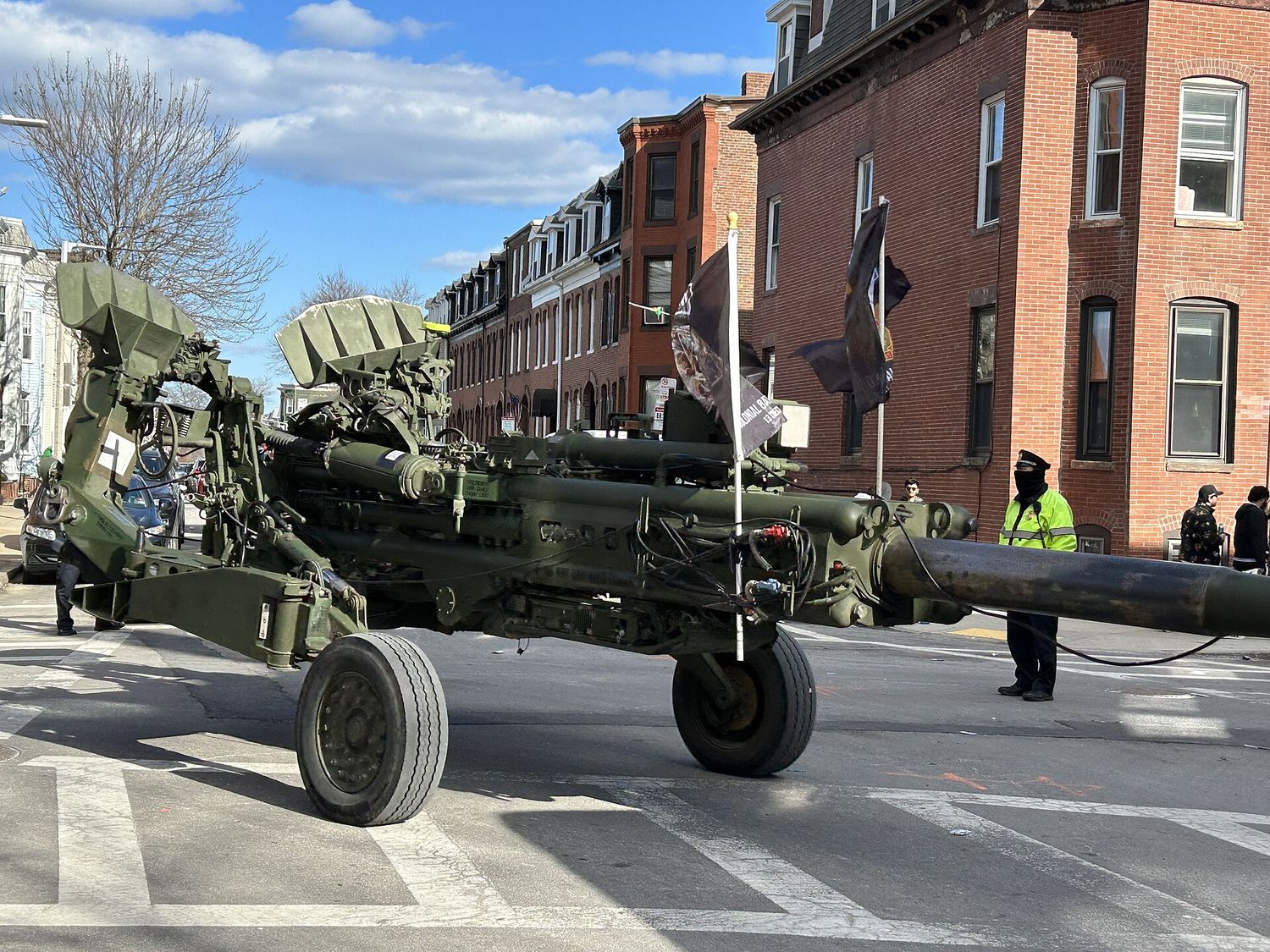
The parade through South Boston on the Sunday nearest 17 March is one of the largest in the country, and it is two things at once. St Patrick’s Day is the obvious one. The other is Evacuation Day, a Suffolk County holiday marking 17 March 1776, when the British garrison sailed out of Boston after Washington put cannon on Dorchester Heights overnight. That is why the parade has National Guard units, artillery pieces and color guards in it alongside the pipe bands — a detail almost nobody explains to visitors.
The route runs roughly from Broadway station down West Broadway, through Andrew Square and back along Dorchester Street. The Red Line to Broadway is the only sane way to get there and it will be full. Go early, expect crowds several deep, and understand that the surrounding streets become an all-day drinking event that the parade is technically separate from. Families are better off near the start of the route in the morning than near the end in the afternoon.
The Boston Marathon and Patriots’ Day
The third Monday in April, next run on 19 April 2027. The oldest annual marathon in the world, run point-to-point from Hopkinton to Boylston Street, and a state holiday that shuts down a corridor across the western suburbs. Heartbreak Hill in Newton around mile 20 is where the race is decided and where the crowd is loudest; the Green Line D branch runs alongside much of it. The finish line on Boylston is the hardest place to see anything from.
Patriots’ Day is a bigger day than the race alone. The Red Sox play an 11am home game, unique in baseball, and the crowd comes out of Fenway into Kenmore Square just as the leading runners pass. There are Revolutionary War reenactments at dawn in Lexington and Concord. If you are in Boston on that Monday, the day is decided for you.
Spring reopenings
Not events exactly, but the city visibly restarts in April. The Swan Boats return to the Public Garden lagoon in mid-April — the 2026 season ran 18 April to 7 September, at $4.75 for adults and $3.25 for children aged 2 to 15. Boston Duck Tours restart around late March. Whale watch season opens in April. The Harbor Islands ferry does not start until mid-May, which catches out anyone planning an April island trip.
Pride
Boston Pride runs in late May and early June with a parade and festival, and the arrangements have changed repeatedly in recent years as the organizing body was rebuilt. Check the current organizer’s own site for the route and date rather than relying on an older listing.
Summer: June to August
Boston Calling — read this before you book
Boston Calling is the city’s major music festival, held at the Harvard Athletic Complex in Allston since 2017. It took a hiatus in 2026 and did not run. The next edition is 4 to 6 June 2027, and as of September 2026 the lineup had not been announced.
The honest verdict: this is a festival to attend if you happen to want the lineup, not one to build a Boston trip around. It is a three-day ticketed event on playing fields across the river, and it has none of the connection to the city that the free events on this page have. Hotel prices in Boston and Cambridge rise sharply that weekend. Watch bostoncalling.com for the lineup and decide from there.
Harborfest and the Fourth of July
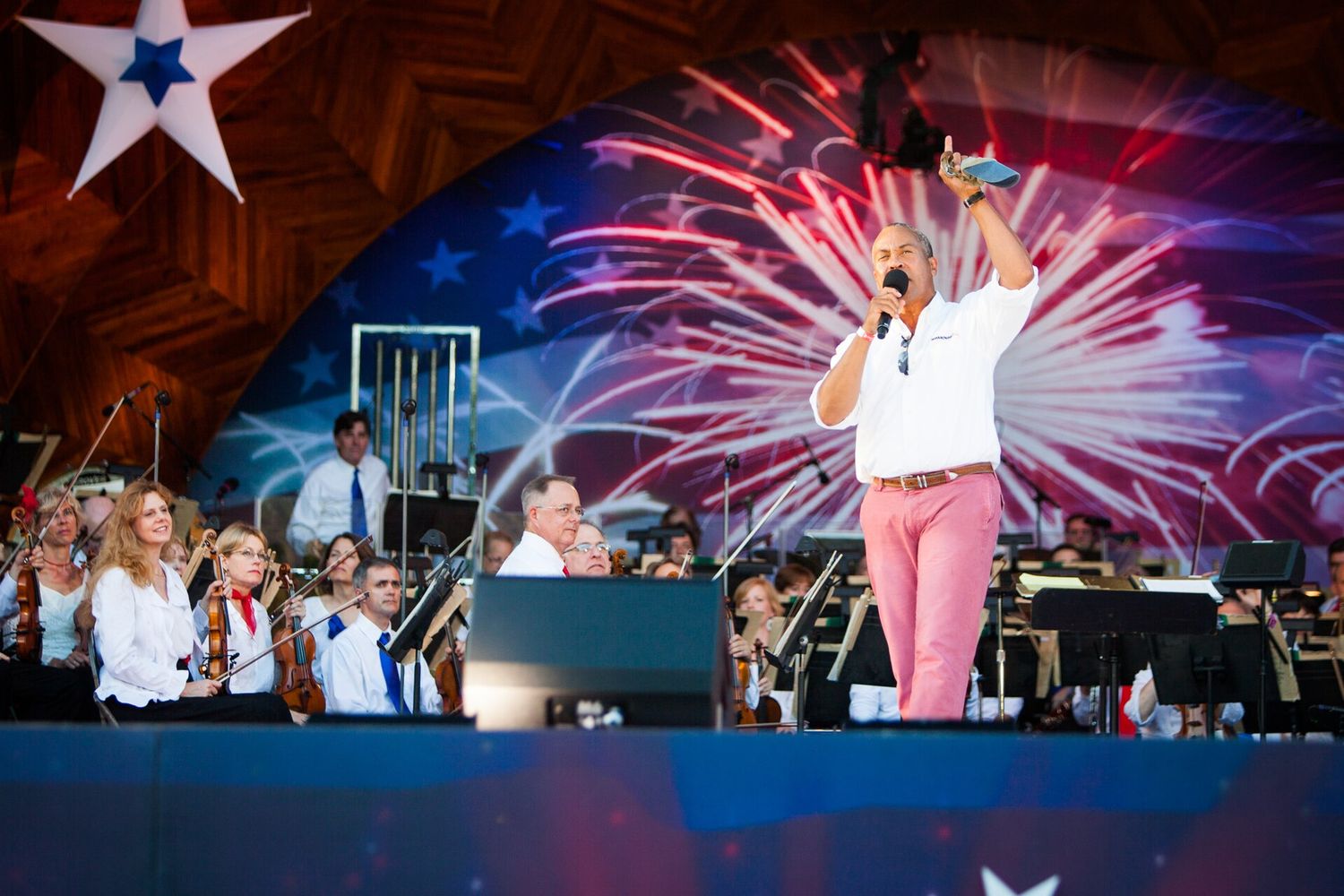
Boston does the Fourth of July better than almost anywhere, for the obvious reason that a good deal of the relevant history happened here. The week around it brings Harborfest, a loose collection of free events across the waterfront and the historic sites, including the reading of the Declaration of Independence from the balcony of the Old State House — the same balcony it was first read from in 1776, which is the kind of thing that makes this city worth the trip.
The main event is the Boston Pops Fireworks Spectacular on the Charles River Esplanade: a free concert on the Hatch Shell lawn followed by fireworks over the river. It is genuinely one of the great free nights in America, and it is also an endurance event. The Oval fills early, there are security screenings and bag restrictions, and people wait in line for hours for a good position on the lawn.
The pragmatic alternative: watch the fireworks from further along the Esplanade, from the Cambridge bank near Memorial Drive, or from one of the bridges, where you get the display without the wait and without the concert. You will hear the music broadcast on local radio. This is what most locals do.
The North End feasts — the best thing on this page
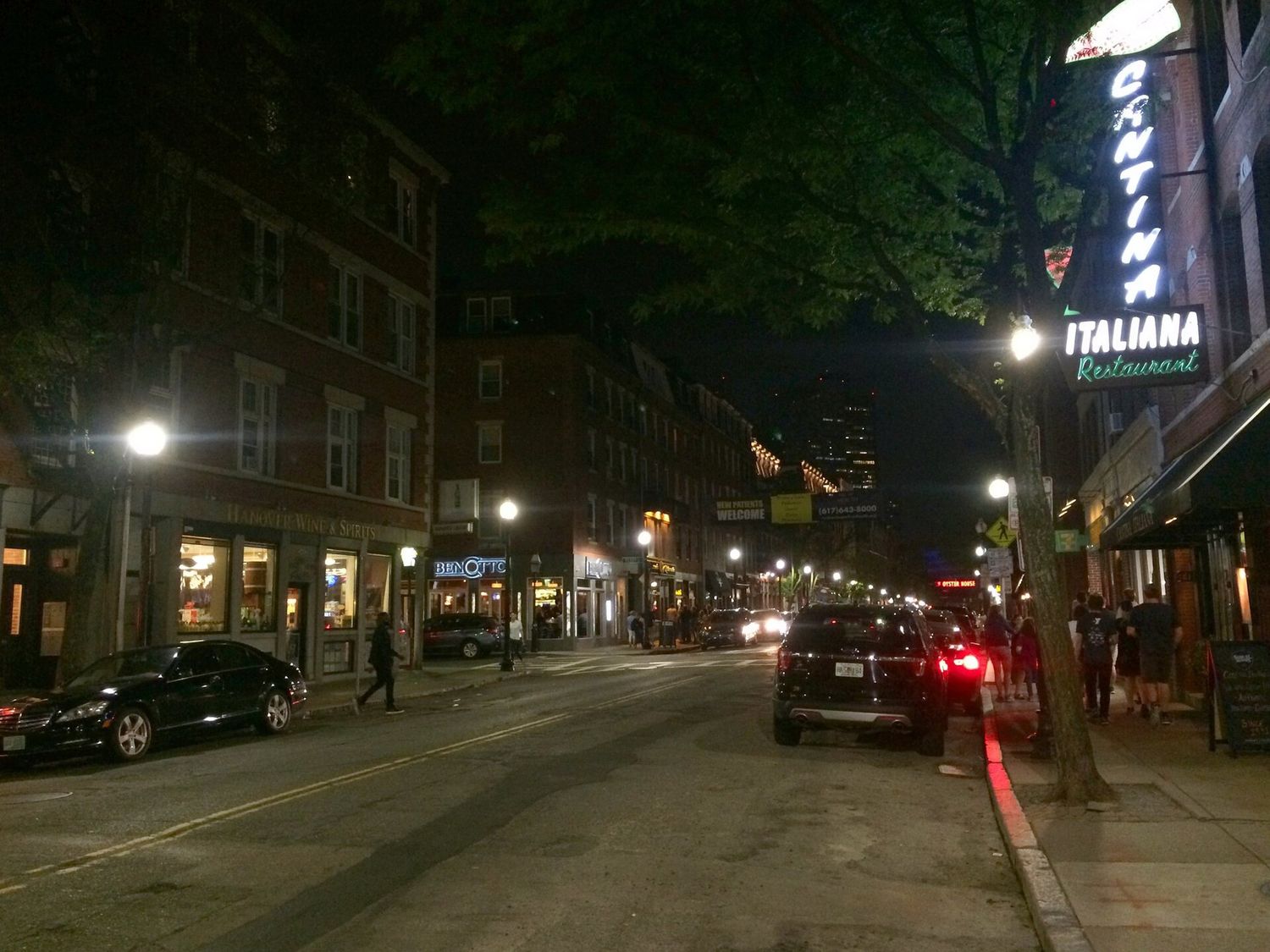
August in the North End is feast season, a run of Italian religious festivals brought over by immigrants from specific southern Italian towns and kept going by their descendants for more than a century. They are free, they are food-and-procession affairs rather than staged events, and they are the least touristy large gathering in central Boston.
The Fisherman’s Feast runs 13 to 16 August 2026 — its 116th year, honouring the Madonna del Soccorso, and the oldest continuously running Italian festival in the North End. Its finale is the Flight of the Angel on North and Fleet Streets, where a child in costume is lowered on a wire to the statue of the Madonna below. It is strange, moving and completely unlike anything else in the city.
Saint Anthony’s Feast runs 27 to 30 August 2026. Begun in 1919, it is the largest Italian religious festival in New England, and National Geographic once called it the feast of all feasts. Four days of processions, strolling singers, contests, daily religious services, and streets solid with food stalls.
Practical advice: go in the evening, go hungry, take cash, and do not drive anywhere near the North End. Haymarket or North Station on the Orange and Green Lines puts you at the edge of it. The streets are genuinely packed and the sidewalks are narrow, so this is a difficult event with a stroller and a good one with older children.
Free summer programming
Beyond the headline events, summer in Boston is full of free outdoor programming that never makes a guidebook: concerts on the Hatch Shell through July and August, films projected on the Esplanade, free performances on the Rose Kennedy Greenway, and the Greenway’s own carousel and fountains. Our free things to do in Boston guide covers the permanent free tier alongside these.
Fall: September to November
Head of the Charles Regatta, 16–18 October 2026
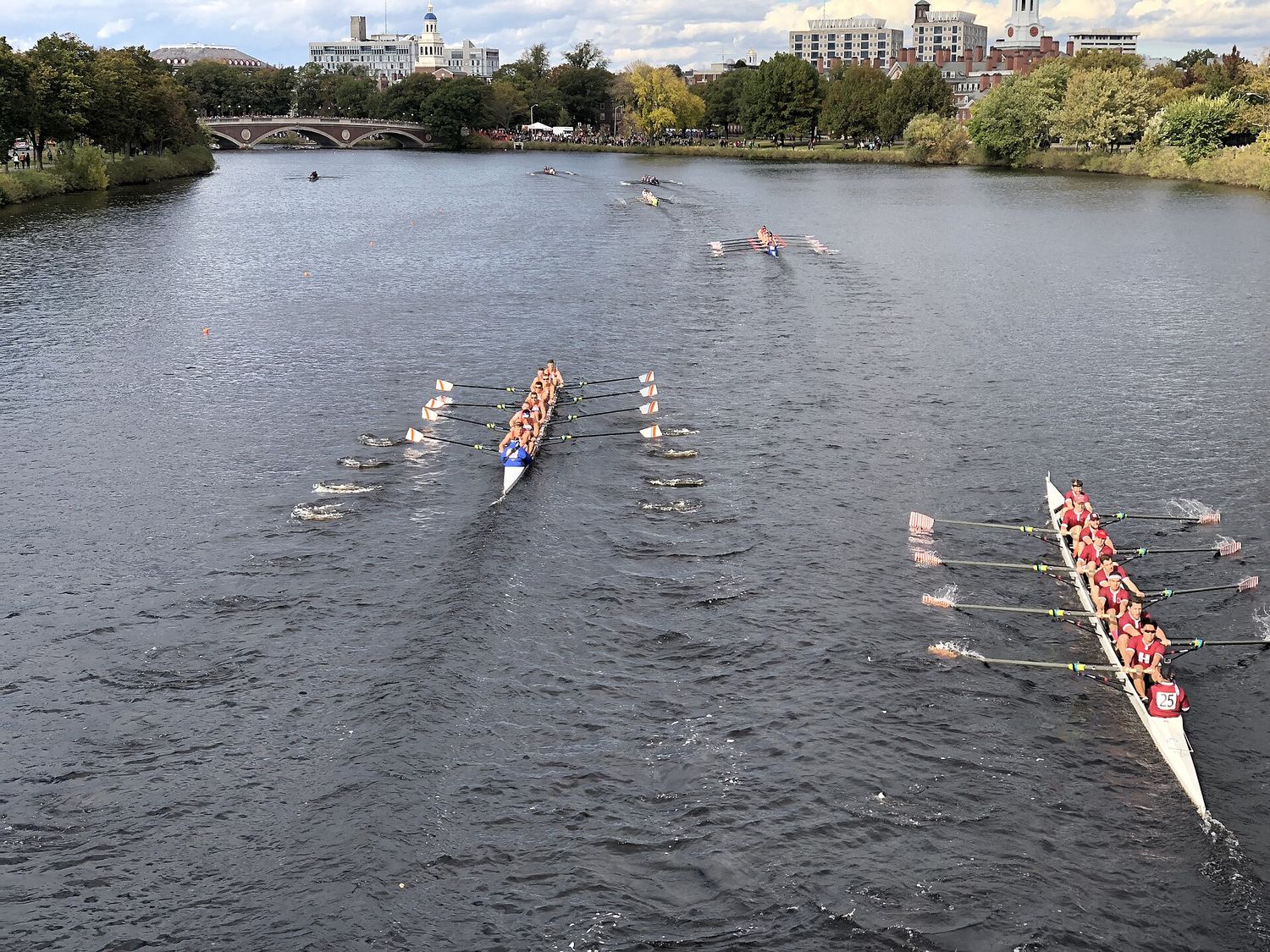
The largest three-day regatta in the world, free to watch, with crews racing three miles up the Charles from the Boston University boathouse. The Weeks Footbridge in Cambridge is the classic vantage point — crews come round a bend directly beneath you — with Anderson Memorial Bridge next to it nearly as good. Both are full by mid-morning at weekends; the Cambridge bank between them is where to spread a blanket.
The timing is a bonus rather than a coincidence: Boston’s city foliage peaks mid-to-late October, later than the mountains, so regatta weekend usually lands in the best outdoor week of the year. Confirm the schedule on hocr.org, as the racing order changes annually.
Salem in October
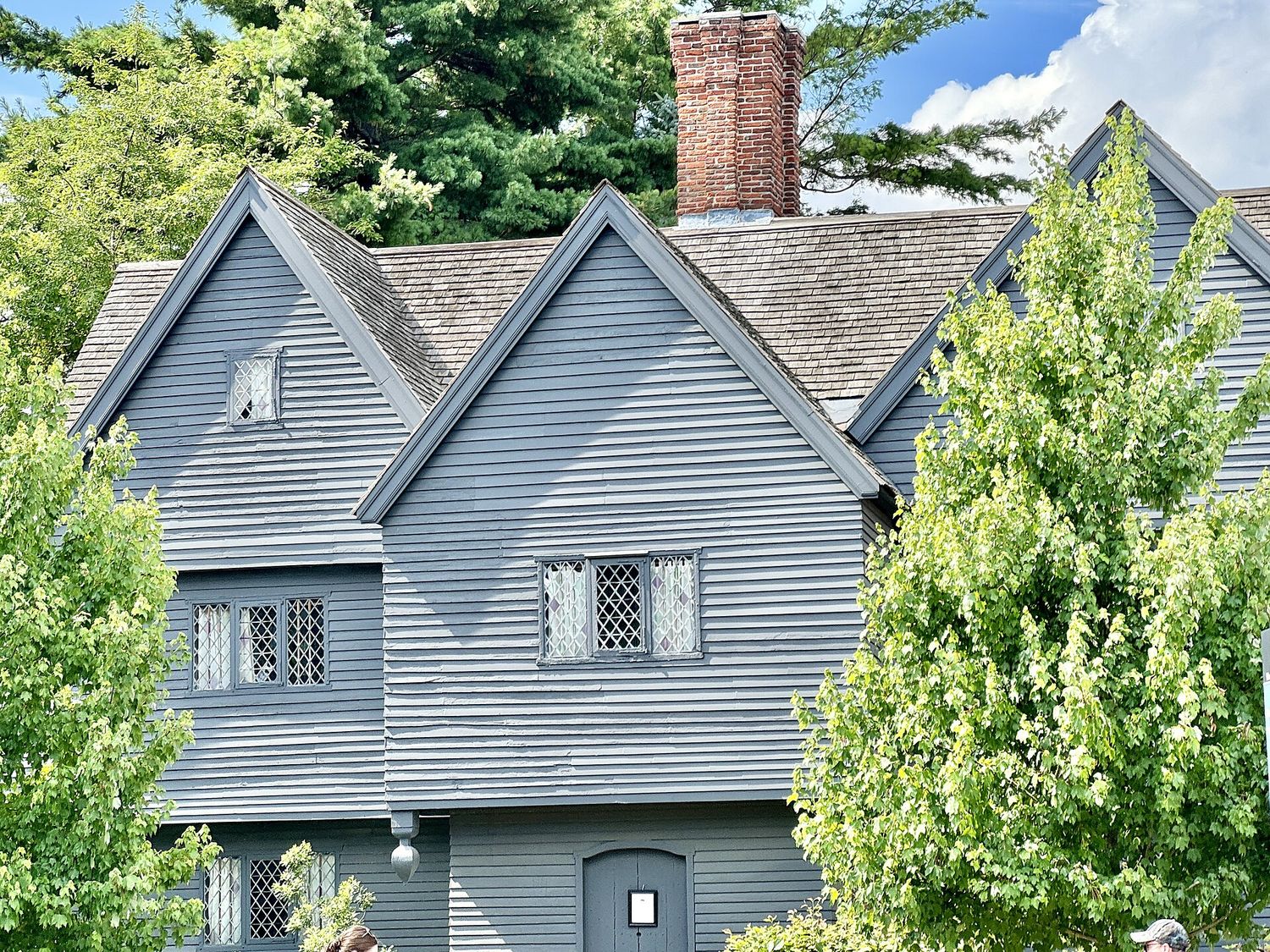
Salem’s Haunted Happenings runs the whole of October 2026, from the Grand Parade on 1 October to Halloween itself, and it turns a small historic town thirty minutes up the coast into something between a street festival and a crush. The MBTA adds extra weekend commuter rail services from North Station to cope.
The honest verdict, and it matters: go on a weekday, and do not go on the last weekend or on Halloween itself. By late October the town center is shoulder-to-shoulder, restaurant waits run past two hours, and the actual history — the 1692 trials, the Peabody Essex Museum, the Witch House — becomes almost impossible to engage with. Early October on a Tuesday you get the decorations, the atmosphere and a functioning town. The Peabody Essex is $20 for adults, $18 seniors, $12 students and free for anyone 16 and under. Our day trips from Boston guide has the train details.
Boston Book Festival and the fall cultural season
The Boston Book Festival takes over Copley Square and the Boston Public Library in late October, and most of it is free. The wider cultural season restarts in September — the Boston Symphony returns to Symphony Hall, the theaters in the Theater District open their runs, and the museums put on their major exhibitions. Our Boston museums and culture guide covers the venues.
Thanksgiving
Thanksgiving is a domestic holiday rather than a public spectacle, and Boston on Thanksgiving Day is quiet: most restaurants close, many attractions close or run short hours, and the city belongs to families indoors. Plymouth, an hour south, does mark it — Plimoth Patuxet’s all-sites ticket is $46 adult, $41.40 senior and $29 child — and the historical account you get there is considerably more honest and more complicated than the school version. The Friday after is the busiest shopping day of the year and the Duck Tours season ends on the Sunday.
Winter: December to February
Tree lightings and the Christmas season
The Christmas tree on Boston Common is an annual gift from Nova Scotia, sent every year since 1971 to thank Boston for the medical help it rushed north after the 1917 Halifax explosion, when a munitions ship blew up in the harbor and killed nearly two thousand people. It is lit in the first days of December at a free public ceremony. The Copley Square tree lighting, run by Boston Parks and Recreation, happens the same week in the late afternoon with music, crafts and the expected appearance from Santa.
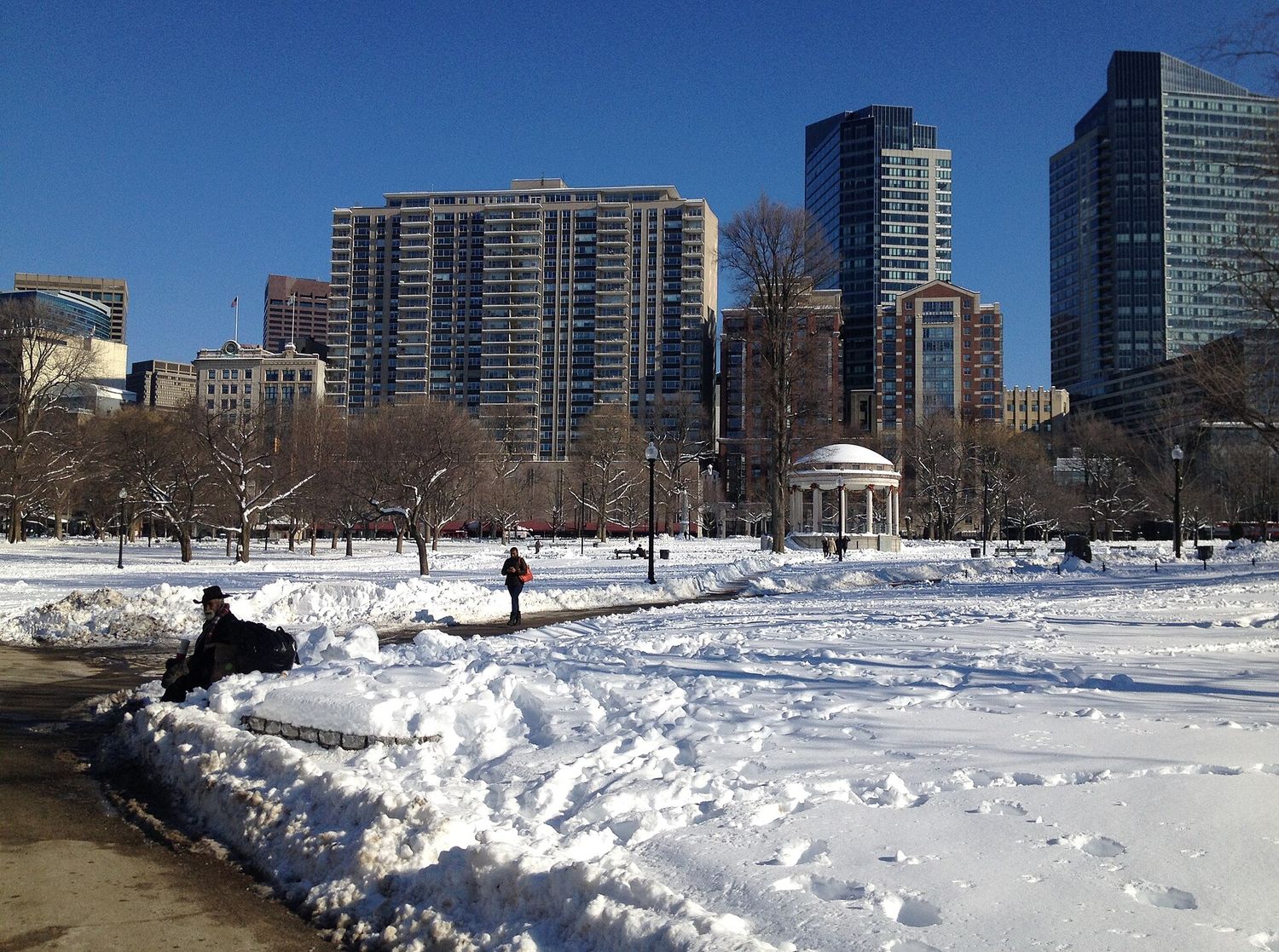
Around them: the Boston Common Frog Pond opens for skating from mid-November to March at $10 for adults, free for children under 58 inches, with skate hire at $15 adult and $10 child. The Public Garden and Commonwealth Avenue Mall are lit. Faneuil Hall puts up a very large tree and a light show. It is a good, unpretentious Christmas city.
First Night, 31 December
First Night is Boston’s free New Year’s Eve festival — more than twelve hours of programming across City Hall Plaza, Copley Square and around ten venues, with ice sculptures, light installations and performances. Fireworks have traditionally gone up at 7pm over the Common, for families, and again at midnight over the harbor.
Two warnings. The next year’s schedule is usually not published until late fall, so check firstnightboston.org rather than trusting an old listing. And it is genuinely cold: December averages a high of 42°F and a low of 29°F, and standing outdoors at midnight in Boston in a coat bought for a milder climate is a mistake people make once.
The Nutcracker and the winter stage season
Boston Ballet performs The Nutcracker at the Citizens Bank Opera House through December, and it is the city’s most reliably sold-out cultural event of the year — the run is long, but the good dates go early. The Boston Symphony’s Holiday Pops season at Symphony Hall runs alongside it, and the theaters in the Theater District carry touring productions through the winter.
The practical point for a visitor: December is the one month when Boston’s indoor cultural calendar is fuller than its outdoor one, and tickets rather than weather become the constraint. Book before you fly if a specific performance matters to you, and treat anything still available a week out as a sign about the seat rather than about your luck.
The Beanpot and the deep winter
The Beanpot — college hockey between Boston College, Boston University, Harvard and Northeastern — runs on the first two Mondays of February at TD Garden, and tickets cost a fraction of an NHL game in the same arena. February is also the snowiest month, averaging around twenty inches, and the rest of the winter calendar is largely indoors: the symphony, the theaters, the museums, and Chinese New Year in Chinatown, which brings lion dances to Beach Street on the nearest weekend. See our Boston sports guide for the Beanpot and the winter fixture list.
America 250 and the anniversary programming
The semiquincentennial program runs through 31 December 2026, and the wider commemorative cycle continues to 2033 as each anniversary of the Revolutionary War comes round. Boston has had more of this than anywhere: the 2026 Boston Pops Fireworks Spectacular was the state’s official signature event, and the Freedom Trail sites have run enhanced programming throughout.
One correction, because a great deal of stale coverage is still circulating: Sail250, the tall ships event with the Parade of Sail and the Fan Pier fireworks, happened on 11 to 16 July 2026. It is over. If you are reading an article that describes it in the future tense, that article is out of date. For what is still scheduled, check nps.gov/bost and the individual Freedom Trail sites, which publish their own programming.
The smaller calendar: neighborhood events worth knowing about
Beneath the headline occasions there is a second calendar that visitors almost never find, run by neighborhoods for themselves. None of these needs a ticket and none of them will appear on a hotel concierge’s list.
Duckling Day, Mother’s Day
A parade of small children dressed as ducklings through the Public Garden on Mother’s Day, following the route of the Make Way for Ducklings story to the bronze ducklings by the Beacon Street corner. It is exactly as charming as it sounds and it is entirely free. If you are in Boston with young children on the second Sunday in May, do this.
SoWa Open Market, South End
Sundays from May to October on Harrison Avenue in the South End: an outdoor market of makers, vintage dealers and food trucks in and around the old warehouse blocks, with the galleries in the SoWa Art + Design District open alongside it. It is free to walk around, it is genuinely local, and it is the best way to spend a Sunday morning in Boston that does not involve history. Back Bay or Tufts Medical Center on the Orange Line, then a walk.
Chinatown’s August Moon Festival
The Mid-Fall Festival is marked in Boston’s Chinatown with a street festival in August, with lion dances, martial arts demonstrations and food stalls filling Beach Street and the blocks around it. Chinatown is on the Orange Line and the Silver Line, and it is a five-minute walk from the Theater District. Chinese New Year in late January or February brings the lion dances back.
Boston Caribbean Carnival
Late August in Dorchester and Roxbury: a costumed parade along Blue Hill Avenue with sound systems, food and steel pan, run by and for Boston’s Caribbean communities. It is one of the largest gatherings in the city and gets almost no coverage aimed at visitors. Orange Line to Ruggles, or the 28 bus down Blue Hill Avenue.
Dine Out Boston
The city’s restaurant week, run twice a year — usually a stretch in March and another in August — with fixed-price lunch and dinner menus at several hundred restaurants. The honest assessment: it is good for trying an expensive kitchen at a discount and bad for spontaneity, because the good rooms book out weeks ahead and the menus are narrower than the a la carte. If you want a specific restaurant you could not otherwise justify, it is worth the effort. If you simply want a nice dinner, book a nice dinner. Our Boston food and restaurants guide has the year-round picks.
Open studios and street closures
Jamaica Plain Open Studios in September and the South End’s own open studio weekends put several hundred working artists’ spaces on public view for nothing. Newbury Street has in some years been closed to traffic on summer Sundays, though the arrangement has come and gone — check before you plan around it. Our Boston neighborhoods guide covers where each of these happens.
How to find out what is actually on while you are here
Event listings for this city are unusually fragmented, and the aggregator sites that rank well are mostly recycling each other. Three practical habits.
First, go to the operator rather than the listing. Every venue and organizer on this page publishes its own schedule, and the organizer’s page is the only one that will be right about a change of date. That is doubly true for anything with a religious or civic origin — the feasts, First Night, the parades — where the arrangements are made by committees rather than marketing departments.
Second, look at what the city itself publishes. Boston’s own municipal site lists parks programming, road closures and public ceremonies, and the National Park Service publishes ranger-led programming for the Freedom Trail sites and the Charlestown Navy Yard.
Third, walk past the noticeboards. The Boston Public Library, the Greenway, the North End’s church doors and the university campuses all still advertise on paper, and a great deal of what happens in this city — free concerts, lectures, open rehearsals, gallery openings — is advertised nowhere else at all.
Planning a trip around an event: three worked examples
Marathon weekend, April
Arrive by the Saturday. The race expo runs across the weekend and is open to the public. Spend Sunday on the Freedom Trail, because Monday will be impossible. On Monday morning either take the Green Line D branch out to Newton for Heartbreak Hill, or stay in town for the 11am Red Sox game and watch the runners come into Kenmore afterwards. Book the hotel months ahead; this is the single most expensive weekend of the Boston year.
Feast weekend, August
Arrive Thursday or Friday. Do the historic core in the daytime while the North End is quiet, then go into the feast in the evening when the processions and the food stalls are running. The advantage of this weekend over Marathon weekend is that the crowds are local rather than international, so hotel rates rise modestly rather than severely. Take cash, and wear shoes you do not mind having stood in for four hours.
Regatta and foliage weekend, October
Arrive Friday. Saturday on the Cambridge bank of the Charles for the racing, with Harvard Yard and the free Harvard Art Museums in the afternoon. Sunday for more racing in the morning and the foliage along the Emerald Necklace, or out at the Arnold Arboretum’s 281 acres in the afternoon. Add a weekday trip to Salem on either side of it if you have the days. This is the best three-day weekend in the Boston calendar and it is almost entirely free.
What events cost, and what they do to prices
Almost everything above is free to attend. The real cost of an event-timed trip is what the event does to the price of a bed.
| Period | Effect on hotel rates | Book by |
|---|---|---|
| Marathon weekend (April) | Severe. The city sells out | Several months ahead |
| College graduation season (mid-May) | Severe, and less well known — dozens of universities graduate in the same two weeks | Several months ahead |
| Boston Calling weekend (June 2027) | Sharp rise in Boston and Cambridge | As soon as the lineup lands |
| Fourth of July week | High across the city | Two to three months ahead |
| August feast weekends | Modest — the crowds are largely local | A few weeks ahead |
| Head of the Charles / peak foliage (October) | High, especially in Cambridge | Two months ahead |
| Salem in October | Salem itself sells out entirely; Boston is normal | Stay in Boston and take the train |
| First Night | Moderate | A month ahead |
| February half-term and the Beanpot | Low. The cheapest month to visit | Whenever |
Remember that Boston hotel tax totals 14.95% on the room rate — 5.7% state room occupancy excise, 6.5% city excise and a 2.75% Convention Center Financing Fee — so a quoted $350 room on Marathon weekend is a $402 room. Our where to stay in Boston guide goes through the neighborhoods and what each one costs.
Getting to and from events
A subway single is $2.40, a local bus $1.70, a day pass $11 and a seven-day pass $22.50. From 1 September 2026 the MBTA is piloting unlimited transfers within a two-hour window on the same payment method, so you pay the highest-priced service used rather than each leg.
The single most important operational fact about attending an evening event in Boston: the T is not a 24-hour system. Last trains leave downtown roughly between 12.30 and 1am. On New Year’s Eve the MBTA has historically extended service, but do not assume it — check before you commit to being on the far side of the city at midnight. Rideshare surge pricing after a large event in this city is punitive.
For the big set-piece events, expect road closures rather than just crowds. The Marathon closes a corridor across the western suburbs; the Fourth closes Storrow Drive and the Esplanade approaches; the Southie parade closes Broadway. Walking is almost always faster than any vehicle within a mile of any of them. Our getting around Boston guide has fares and step-free access in detail.
One accessibility note that applies across the calendar. The set-piece outdoor events here are crowded, largely unseated and often on uneven ground — the Esplanade lawn on the Fourth, the North End’s narrow sidewalks during a feast, the riverbank at the regatta. If you need a seat, a clear sightline or step-free access, contact the organizer directly in advance; most of these events do make arrangements, and almost none of them advertise that they do.
What is not worth planning around
Three honest verdicts.
Ticketed “festival packages” and VIP viewing areas sold for free events are the clearest waste of money in this category. There is no ticket needed for the Pops fireworks, the North End feasts, the regatta or the Marathon; anything sold to you as privileged access to them is a hospitality package with a large markup on a view you can get from a bridge.
Salem on Halloween weekend. Covered above, but worth restating: the town is at capacity, the trains are full, the restaurants are unusable, and the history you came for is inaccessible. A Tuesday in early October is a better day out by a wide margin.
Building a trip around a single festival. Boston’s calendar is dense enough that any week you pick will have something on. The exceptions worth the plane ticket in their own right are the Marathon, the Head of the Charles and the Fourth of July. Everything else should be a bonus you find when you get here, not the reason you came.
Frequently asked questions
What is the biggest event in Boston?
The Boston Marathon on Patriots’ Day, by any measure — participants, spectators, and the extent to which it stops the city. The Fourth of July Pops concert and fireworks on the Esplanade is the biggest single-night gathering, and the Head of the Charles is the biggest sporting event by entries.
Is Boston Calling happening in 2026?
No. Boston Calling took a hiatus in 2026 and did not run. The next edition is 4 to 6 June 2027 at the Harvard Athletic Complex in Allston, with the lineup unannounced as of September 2026.
When are the North End feasts?
August. In 2026 the Fisherman’s Feast runs 13 to 16 August and Saint Anthony’s Feast runs 27 to 30 August, both free. Go in the evening, take cash, and do not attempt to park anywhere near the North End.
Do you need tickets for the Boston Pops Fourth of July concert?
No — it is free on the Charles River Esplanade, but the Oval fills hours in advance and there are security screenings and bag restrictions. Most locals watch the fireworks from further along the Esplanade, from the Cambridge bank, or from a bridge, and listen to the concert on the radio.
Is Salem worth visiting in October?
Yes, on a weekday early in the month. Haunted Happenings runs 1 to 31 October 2026 and the town is at capacity on weekends and unbearable on Halloween itself. The Peabody Essex Museum is $20 for adults and free for under-17s, and the trains from North Station take about thirty minutes.
What is Evacuation Day?
A Suffolk County holiday on 17 March marking the day in 1776 that the British garrison left Boston, after Washington placed cannon on Dorchester Heights overnight. It shares a date with St Patrick’s Day, which is why the South Boston parade has military units marching alongside the pipe bands.
When is the Christmas tree lit on Boston Common?
The first days of December, at a free public ceremony. The tree is an annual gift from Nova Scotia thanking Boston for the help sent after the 1917 Halifax explosion, and it has come south every year since 1971.
What happens in Boston on New Year’s Eve?
First Night — a free festival of more than twelve hours across City Hall Plaza, Copley Square and around ten venues, with fireworks traditionally at 7pm over the Common and midnight over the harbor. The schedule is normally published late in the fall, so check firstnightboston.org rather than an older listing, and dress for a December night outdoors.
Which month has the most going on?
October, narrowly — the Head of the Charles, Salem for the whole month, the Book Festival, peak foliage and the start of the Celtics and Bruins seasons. August is a close second on the strength of the North End feasts, and April has the single biggest day.
Did Sail250 already happen?
Yes. Sail250 ran 11 to 16 July 2026, with the Parade of Sail and fireworks off Fan Pier. Anything describing it as upcoming is out of date. The wider America 250 program runs through 31 December 2026, with commemorations continuing to 2033.
On the eve of Patriots’ Day each April, two lanterns are hung again in the steeple of Christ Church in the North End. Our guide to Old North Church in Boston explains the history behind the Lantern Ceremony and how to visit the church the rest of the year.