You will hear them before you see them: a bus-shaped boat painted pink or teal or tangerine, lumbering through Back Bay traffic while forty passengers quack at the people on the sidewalk. For many visitors boston duck tours are the first thing they book and the one image of the city they take home, and the Ducks have become so woven into local life that the Red Sox, Patriots, Celtics and Bruins all ride them when they win. The question this page tries to answer honestly is whether eighty minutes on one is worth what it costs you.
What follows covers how the tour works, the route on land and water, the full price once the fees you only see at checkout are added, which of the three departure points to use, when to go, who genuinely gets their money’s worth and who would be happier spending it elsewhere. Prices and policies were checked on the operator’s own site in September 2026; confirm before you book, because fees and seasonal schedules change.
The short verdict
A Duck tour is a good ride and an expensive history lesson. The drivers are funny, the splashdown into the Charles River is a genuine thrill the first time, and for families with children between about four and twelve it is one of the few paid attractions in Boston that holds every age at once. For an adult who plans to walk the Freedom Trail anyway, it is roughly $62 to be driven past buildings you will see up close tomorrow for free.
| If you are… | Verdict | Why |
|---|---|---|
| A family with kids aged 4–12 | Book it | The quacking, the splash and the chance to steer on the river are pitched squarely at them |
| Someone with limited mobility | Book it | You see a lot of the city without walking, and every departure point has wheelchair-accessible Ducks |
| In Boston for one day, with a group | Probably | It covers ground quickly and works as an orientation if you do nothing else paid |
| A history enthusiast | Skip it | The commentary is entertainment first; the Freedom Trail and a ranger talk will teach you far more |
| A couple or solo traveler on a budget | Skip it | The same $62 buys a guided Freedom Trail walk, the Boston 250 Pass and lunch |
| Staying four days or more | Skip it | You will walk most of the land route anyway, and it will mean more on foot |
What the tour actually is
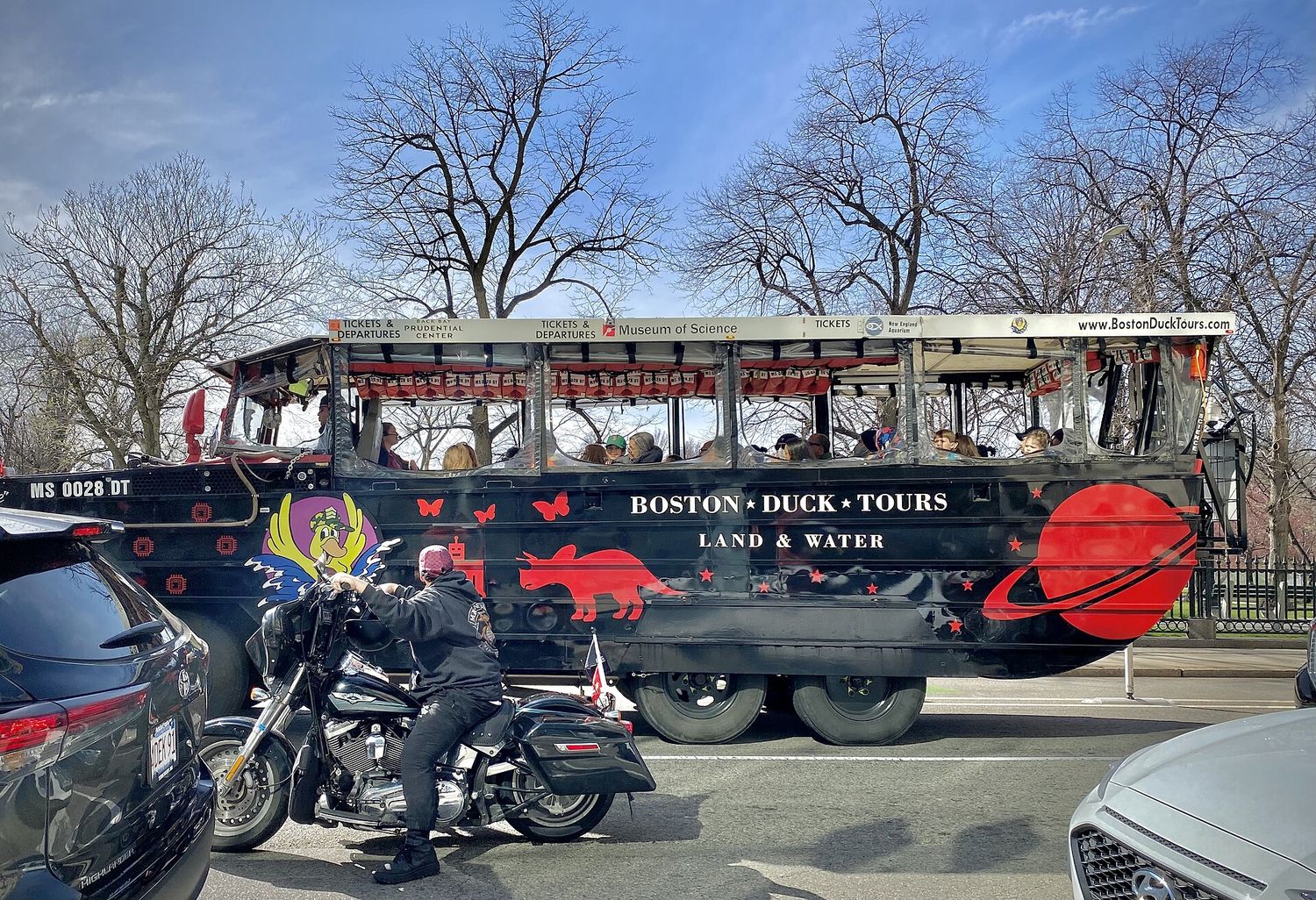
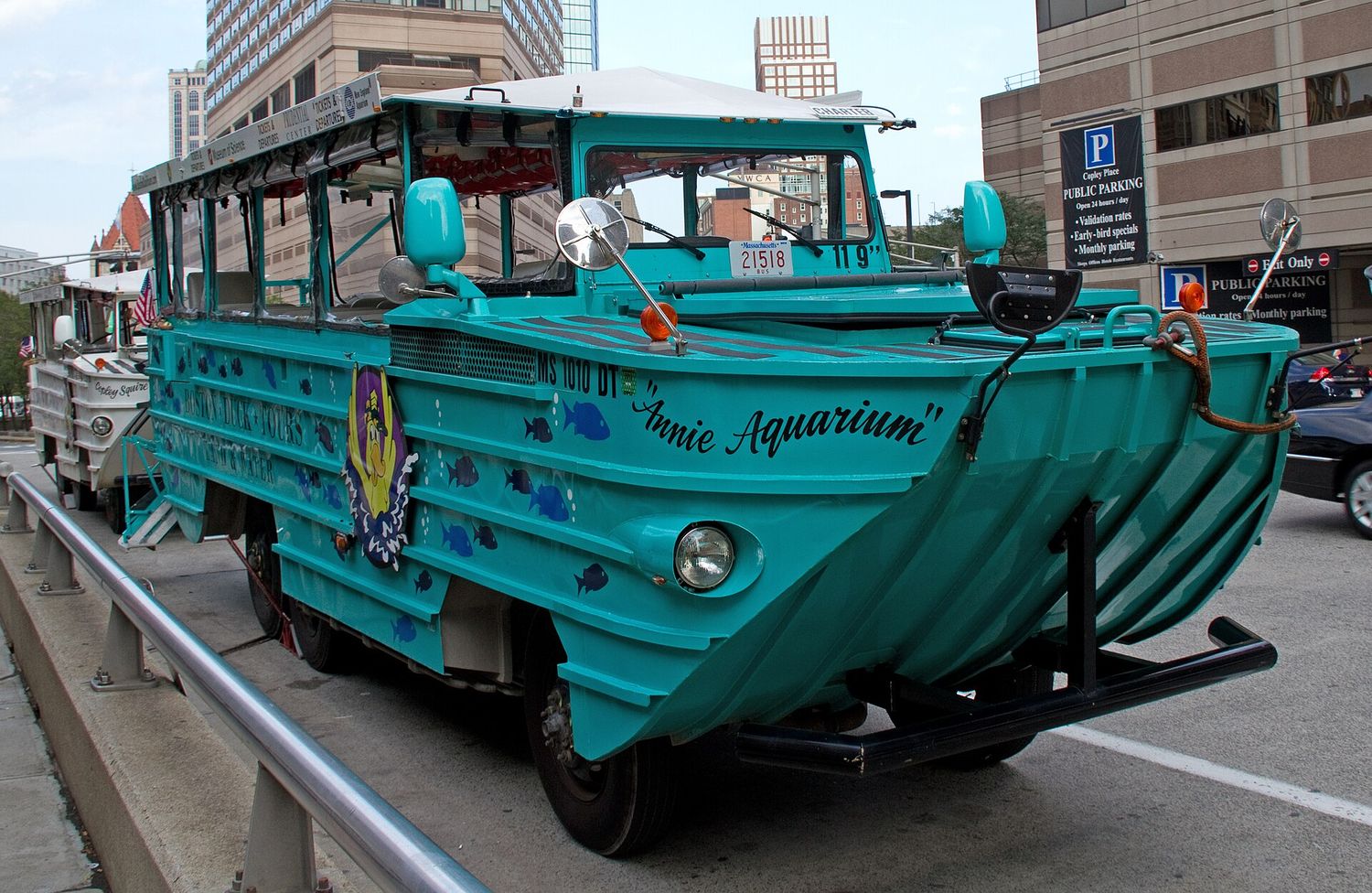
Boston Duck Tours has been running since October 1994, when a former banker named Andy Wilson spent the better part of two years talking his way through city, state and federal agencies to put amphibious vehicles on Boston’s streets and river. It started with four Ducks and fifteen staff. Today there are around twenty-eight vehicles, each painted a different color, each with its own name lettered on the bow — “Annie Aquarium”, “Miss Emma Science”, “Mila Terry Pride” and so on. Regulars have favorites.
The vehicles
The Ducks are replicas of the DUKW, the six-wheeled amphibious truck the US Army used to ferry men and supplies from ships to beaches in the Second World War. The name was never meant to be cute — it was a manufacturer’s code — but soldiers heard “duck” and it stuck. The shape is the giveaway: a boat hull on six big road wheels, with a propeller at the back for the water section. They are loud, they are tall, and from a passenger’s seat under the canopy you look down on cars, which is part of the fun.
The ConDUCKtors
Every tour has a driver who also narrates, and the company calls them ConDUCKtors. Each one invents a character — a pirate, a retired sea captain, a Revolutionary-era gentleman with a dubious accent — and the quality of your tour depends more on who you draw than on anything else. The good ones are genuinely quick, working the passengers, the traffic and the pedestrians into the script. Expect a lot of puns. Expect to be asked to quack at people. Expect some history, delivered fast and lightly, with the jokes carrying the weight.
Land first, then the splash
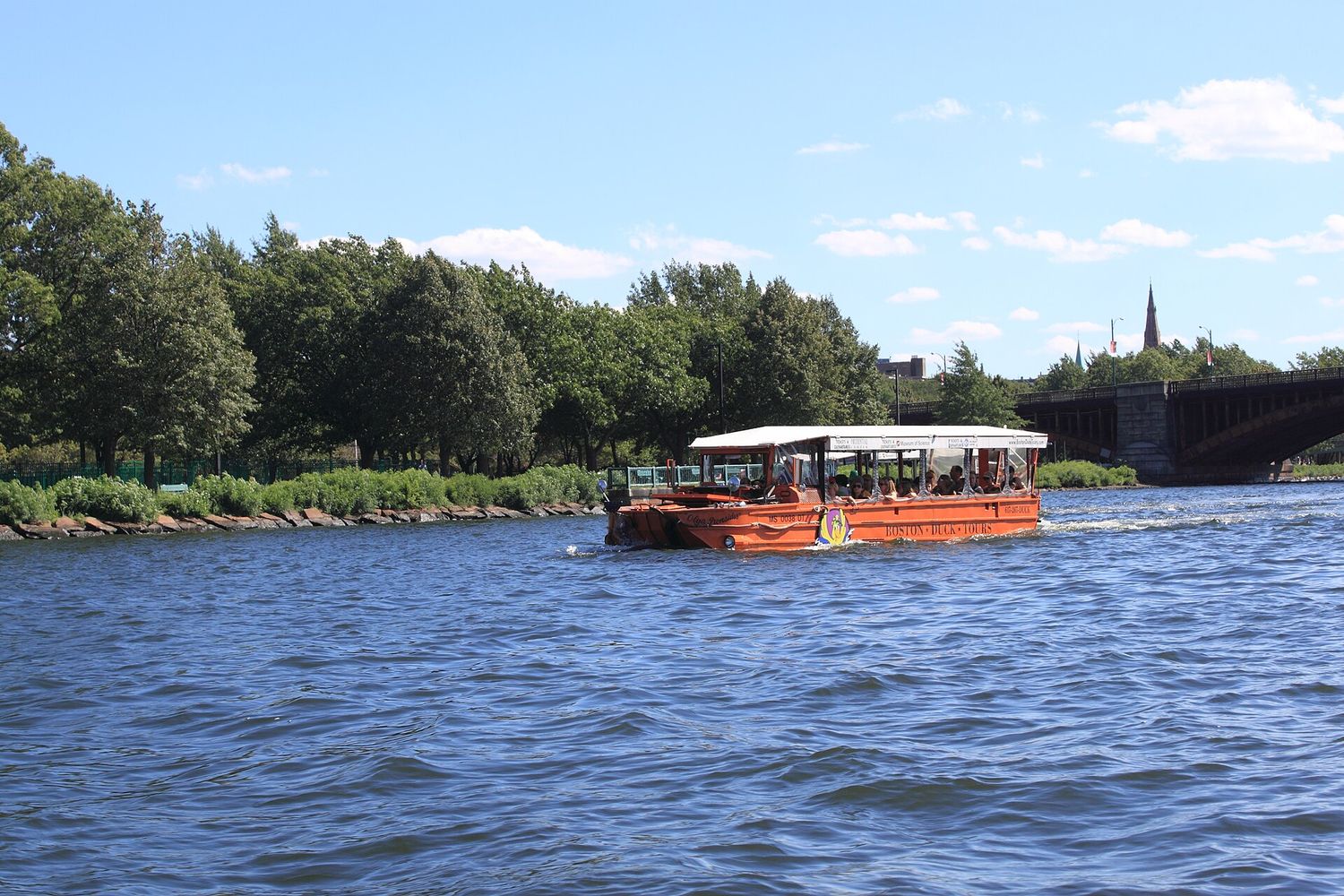
A tour lasts about an hour and twenty minutes, split into roughly an hour on land and twenty minutes on the water. The land portion is a narrated drive through the historic center and Back Bay. Then the Duck heads for the Charles River, drives down a ramp and into the water without stopping — the moment everyone has been waiting for — and spends its last stretch cruising the river basin before climbing back out.
The route, on land and water
The exact land loop varies a little with the departure point and with whatever the traffic is doing that day, but the operator’s own list of highlights covers the core of the historic city. You can expect to pass most of the following.
- The Massachusetts State House on Beacon Hill, finished in 1798, with its gilded dome looking down over the Common.
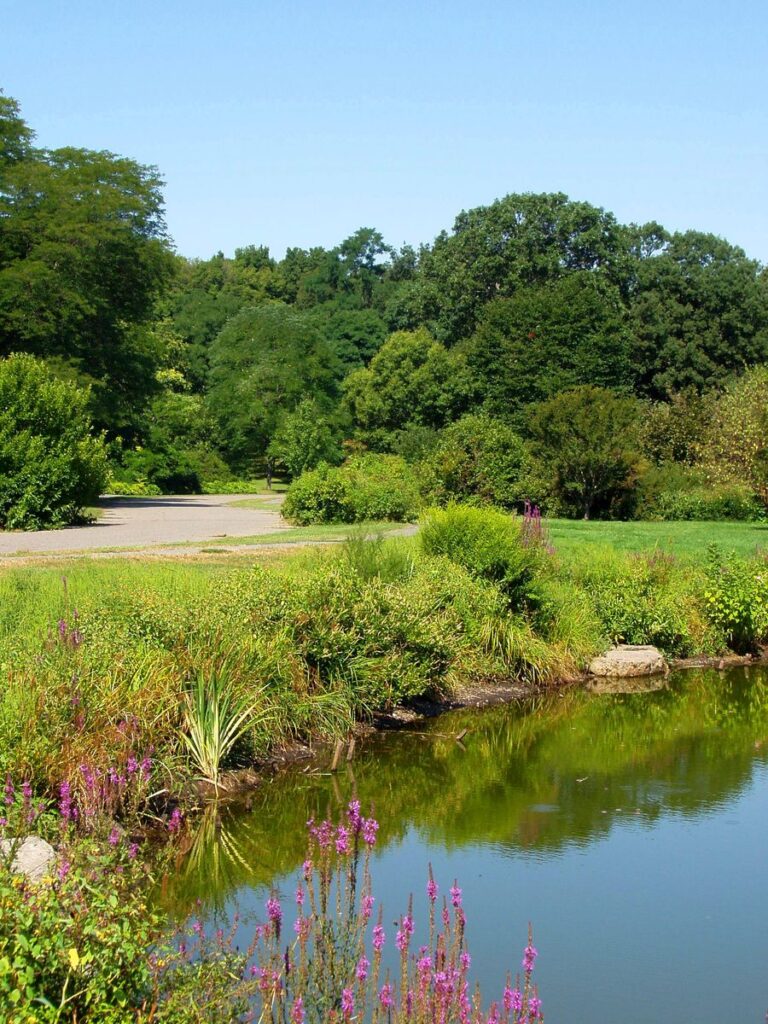
- Boston Common and the Public Garden — the oldest public park in the country, public land since 1634, and beside it America’s first public botanical garden.
- The Old State House, the 1713 seat of colonial government, where the Declaration of Independence was read to Bostonians from the balcony in July 1776.
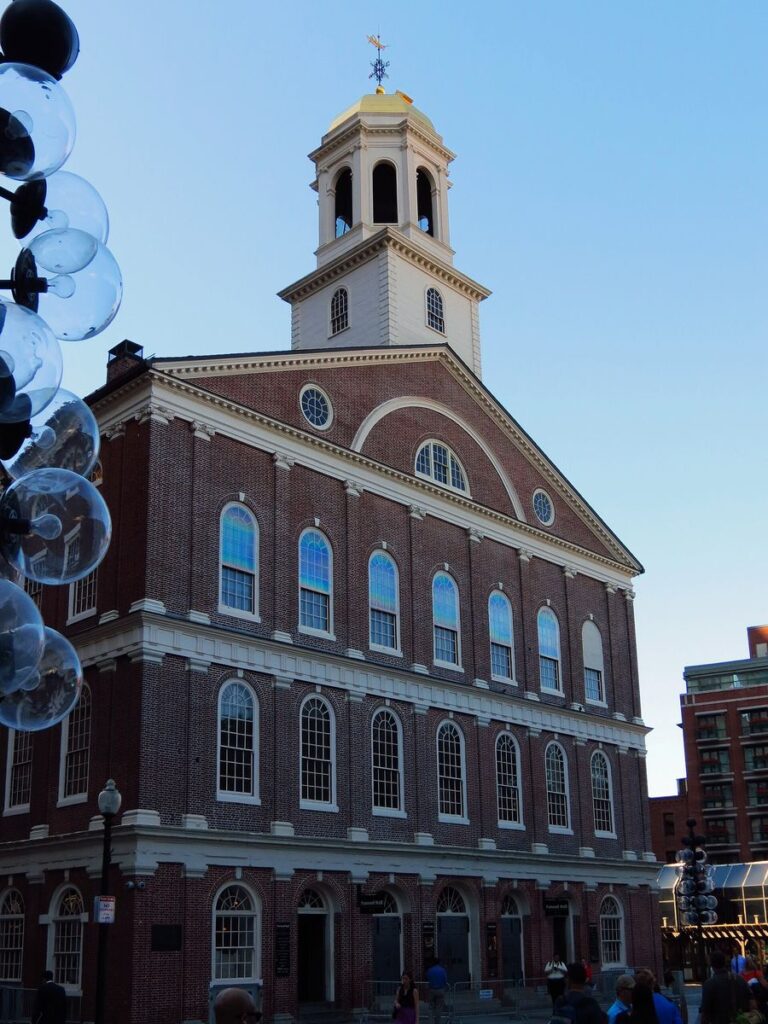
- Faneuil Hall, built in 1742 and nicknamed the Cradle of Liberty for the town meetings held upstairs.
- Back Bay and Copley Square, with Trinity Church, the Boston Public Library and the brownstones of Commonwealth Avenue.
From the canopy you see these at walking-pace-plus, with a sentence or two about each. That is both the appeal and the limitation. You get a mental map of how the city fits together — useful on a first morning — but you are driven past the Old State House rather than into it. If a building on the route catches your interest, note it and go back on foot; almost everything on the land section sits on or near the Freedom Trail.
The Charles River section
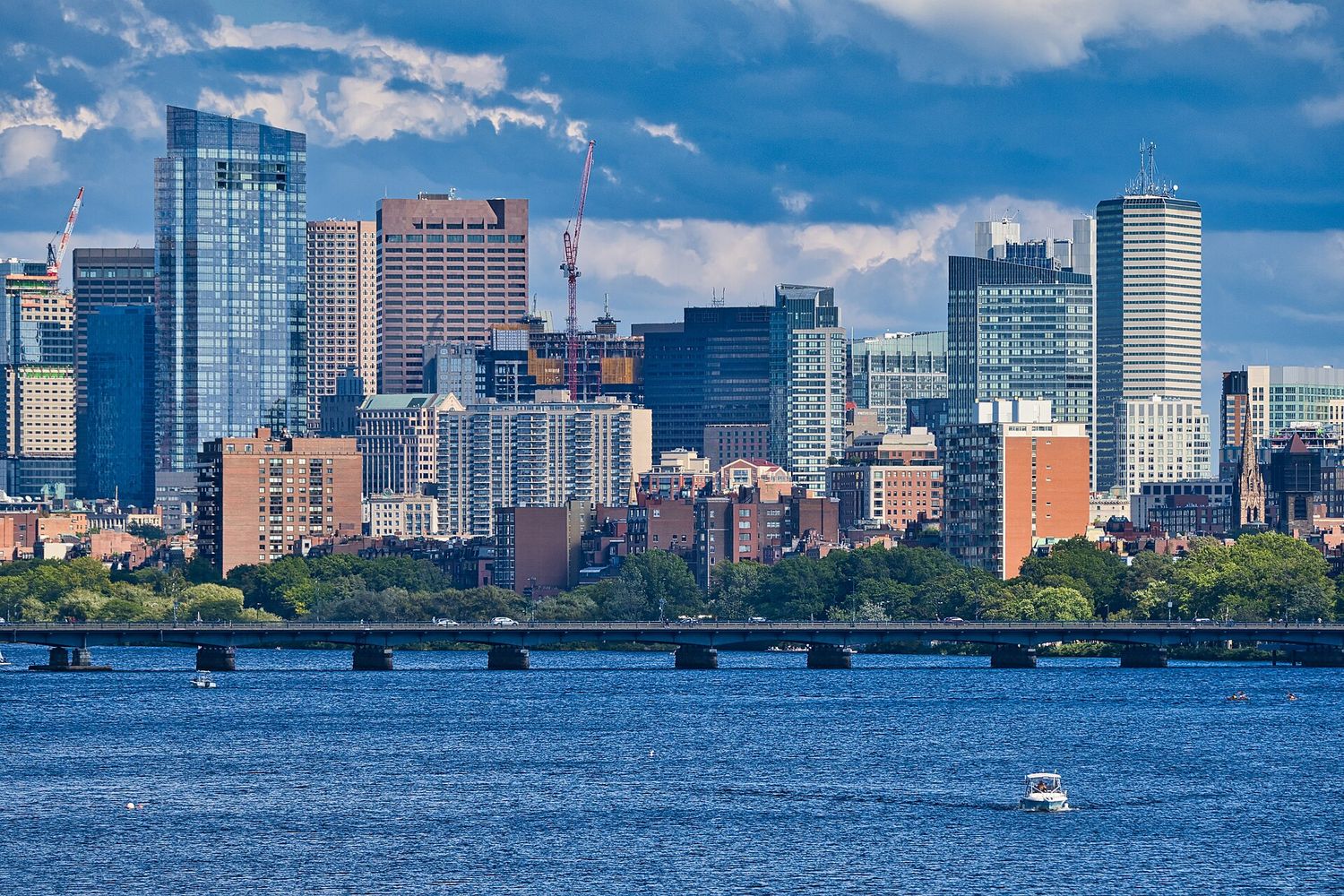
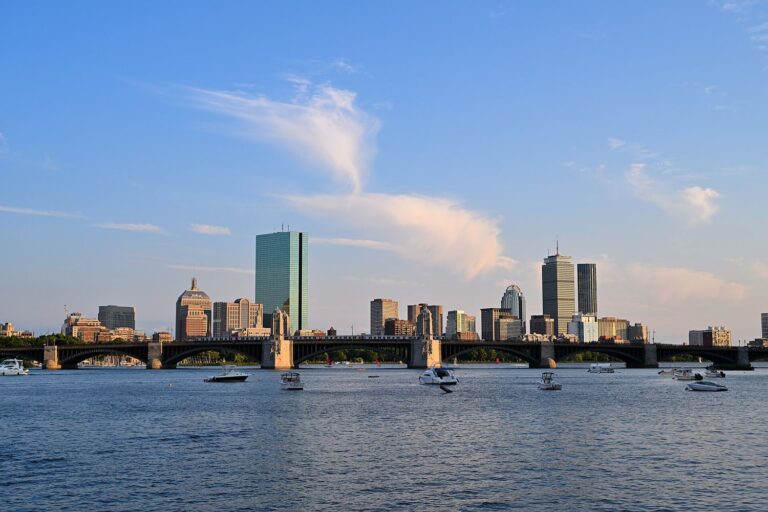
This is the part that justifies the ticket. The Charles runs about eighty miles from Hopkinton to Boston Harbor, and the stretch the Ducks use is the wide basin between Boston and Cambridge, held at a steady level by the dam beside the Museum of Science. On one bank is the Back Bay skyline and the Esplanade; on the other, the MIT campus and the low Cambridge waterfront. On a calm day with the sailboats of Community Boating out, it is one of the loveliest views in the city.
If you have children on board, the driver may let them take the wheel for a minute or two on the water. That is at the ConDUCKtor’s discretion rather than a promise, but it happens often enough that small passengers tend to spend the land section negotiating for it.
If the weather turns rough the water portion can be cancelled, and the operator refunds half the ticket price when that happens. A full cancellation gets a full refund. Tours otherwise run rain or shine — the canopy has roll-down plastic sides, which keep you dry but blur the view.
What it really costs
The advertised price is not the price you pay. Massachusetts adds a 5% Convention Center Fee to the ticket, and booking online adds $2 per ticket on top (booking by phone costs $3.50 per ticket). Children under three still need a ticket and their own seat. Here is the arithmetic, using September 2026 base fares.
| Ticket | Base price | + 5% fee | + $2 online fee | You pay |
|---|---|---|---|---|
| Adult | $57.00 | $59.85 | $61.85 | about $62 |
| Senior / military | $48.00 | $50.40 | $52.40 | about $52 |
| Child 3–11 | $42.00 | $44.10 | $46.10 | about $46 |
| Under 3 (own seat) | $10.99 | $11.54 | $13.54 | about $14 |
| Family: 2 adults + 2 children 3–11 | $198.00 | $207.90 | $215.90 | about $216 |
Put another way, an adult ticket works out at a little under 80 cents a minute, and about three-quarters of those minutes are spent on dry land. A family of four is spending more than $200 on an hour and twenty minutes, which is more than the same family would pay for the New England Aquarium and a harbor ferry combined.
Groups of twenty or more can book group rates, which carry an automatic 10% staff gratuity (5% for student groups). There are no reductions for booking far ahead. Boston CityPASS does not include Duck Tours — its seven options are the Aquarium, the Museum of Science, a harbor cruise, View Boston, Franklin Park Zoo, the Harvard Museum of Natural History and the Museum of Fine Arts — so do not buy CityPASS expecting it to cover this. If you are considering a multi-attraction pass, check whether that specific pass lists the Ducks, and whether a reservation is required.
Which departure point to choose
Tours leave from three places, and all three splash into the same river. The choice is really about what else you want to do that day.
| Departure | Address | Nearest T | Pairs well with |
|---|---|---|---|
| Prudential Center | 53 Huntington Ave, Back Bay | Prudential (Green Line E) or Copley (Green Line) | View Boston in the same building; the Boston Public Library and Copley Square |
| Museum of Science | 1 Science Park | Science Park/West End (Green Line) | The Museum of Science; the Esplanade walk back toward Beacon Hill |
| New England Aquarium | Central Wharf | Aquarium (Blue Line) | The Aquarium, a whale watch, the harbor ferries and the North End |
The Prudential Center is the main base and the easiest to pair with something else under cover, which matters on a wet day: ride the Duck, then go up to the 52nd-floor View Boston deck without going back outside. The Museum of Science stop is the obvious choice if you are already spending a morning at the museum with children. The Aquarium departure suits anyone planning a harbor day, since the whale watches and the Harbor Islands ferry leave from the same stretch of waterfront.
Ticket booths open thirty minutes before the first tour of the day. Buy online if you have a fixed plan — you pay the $2 fee, but you are not gambling on availability. If you are flexible, walking up on a weekday morning outside school vacations often works fine.
When to go
The season
The Ducks run from roughly late March until around the end of November, traditionally wrapping up on the Sunday after Thanksgiving. They do not operate in winter, when the river can ice over and the open-sided vehicles would be miserable. The operator sets exact dates each year, so check the calendar before you plan a late-season trip around it.
Month by month
- April and May: quieter, cheaper hotels in the city, and the Public Garden in bloom. Cold on the water, so bring a layer — Boston’s average high in April is only 57°F.
- June to August: the busiest months, with the best chance of a warm, calm river. Summer weekends sell out, so book a day or two ahead.
- September and October: the sweet spot. The river is still reasonably warm, the crowds thin after Labor Day, and from mid-to-late October the trees along the Esplanade turn. A late-afternoon October tour, with low sun on the water and Back Bay going gold, is the best version of this ride.
- November: short days and cold wind off the water. The tour still runs, but pack a hat.
Time of day
Mid-morning and late afternoon are best. Midday in summer is hot under the canopy, and the land section is slowest when downtown traffic peaks around lunchtime and from 4pm. The last tours of the day, when the light is low, give the prettiest river section. If you are traveling with young children, the first tour of the morning is the one least likely to end in a meltdown.
Duck boats and the championship parades
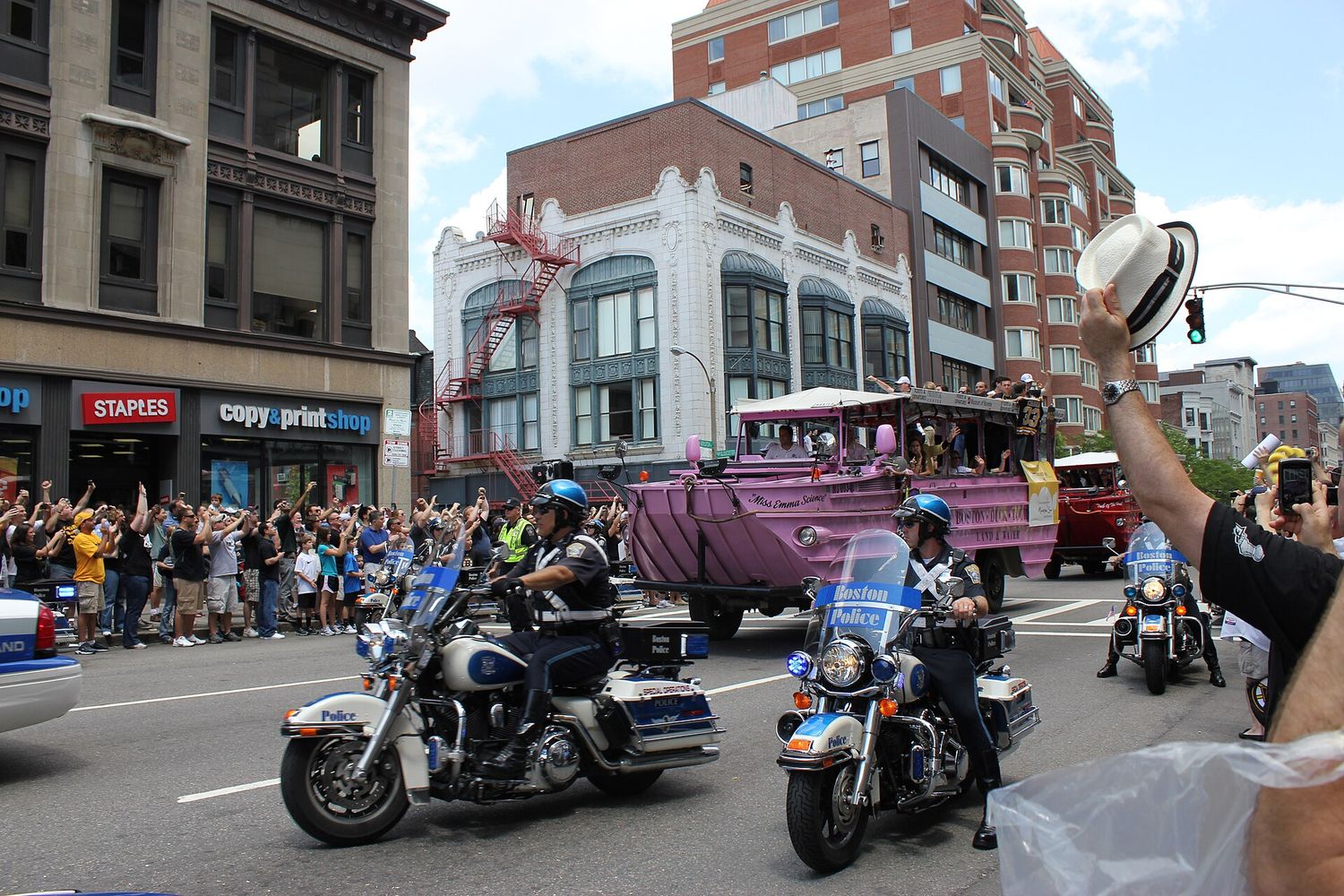
Other cities hold victory parades on flatbed trucks and open-top buses. Boston’s teams ride Ducks. It began in 2002, when the New England Patriots won their first Super Bowl, and it has since become a civic ritual the city calls a “rolling rally”: players and trophies on the Ducks, a route through downtown, a million or so people on the sidewalks, and on some occasions a stretch of the route on the Charles itself, with fans lining the bridges and the riverbanks.
The count so far runs to thirteen rolling rallies:
- New England Patriots: 2002, 2004, 2005, 2015, 2017 and 2019
- Boston Red Sox: 2004, 2007, 2013 and 2018
- Boston Celtics: 2008 and 2024
- Boston Bruins: 2011
The vehicles used for the parades are the same ones that run the tours the rest of the year, so there is a decent chance the Duck you ride has carried a trophy through the city. Ask your ConDUCKtor — they know, and they love telling you. For more on the teams themselves, and on getting into Fenway or TD Garden, see our guide to Boston sports.
Who should book it, and who shouldn’t
This is where most guides go soft, so to be plain about it: the Duck tour is not a bad attraction, but it is an overpriced one for a large share of the people who buy it.
It earns its price if…
- You have young children. The combination of a funny driver, quacking at strangers and a vehicle that drives into a river is close to perfect for a six-year-old. The historical content is pitched lightly enough that nobody gets bored.
- Walking is hard for you, or for someone in your party. Boston is a walking city, and the historic core is best seen on foot, which leaves out a lot of people. The Duck covers the main sights and the river without any of that, and every departure point can load wheelchairs.
- You have one day and want an overview. Done first thing in the morning, the tour shows you how Back Bay, Beacon Hill, the Common and downtown connect, which makes the rest of the day easier to plan.
- It is raining. Boston has few good paid options on a wet day that are not museums. The canopy keeps you dry and the river section is still fun in drizzle.
Spend the money elsewhere if…
- You care about the history. The tour gives you a few facts per landmark between jokes. A two-and-a-half-mile walk along the Freedom Trail with a guide costs $17 and goes inside things; a free National Park Service ranger talk in Faneuil Hall’s Great Hall tells you more about the building in fifteen minutes than the Duck does in passing.
- You are a couple without children. The humor is broad and family-friendly, which is great on a family trip and occasionally wearing on a date.
- You have more than three days. Everything on the land route is within a half-hour walk of everything else. By day two you will have walked most of it anyway.
- You are counting your dollars. This is one of the most expensive attractions in the city per minute of experience.
What the same money buys elsewhere
The fairest way to judge the Duck is against what else roughly $62 gets an adult in Boston. Here are the alternatives, again at September 2026 prices.
| Option | Adult price | What you get |
|---|---|---|
| Boston Duck Tours | about $62 all-in | 80 minutes: an hour of narrated driving, 20 minutes on the Charles |
| Walk Into History guided Freedom Trail tour | $17 | 90 minutes on foot with a costumed guide, eleven of the sixteen sites |
| Boston 250 Pass | $33 | Entry to the Paul Revere House, Old State House, Old North Church, Old South Meeting House and King’s Chapel |
| View Boston, Prudential Tower | $34 + $3 fee | The whole city and the river from the 52nd floor, as long as you like |
| Harbor Islands ferry to Georges Island | $25 round trip | A proper boat ride across the harbor and a Civil War fort to explore |
| MBTA 1-day pass | $11 | Unlimited subway and bus, including a ride over the Longfellow Bridge on the Red Line |
| The Charles River Esplanade | Free | The same river and skyline, on foot, for as long as you want |
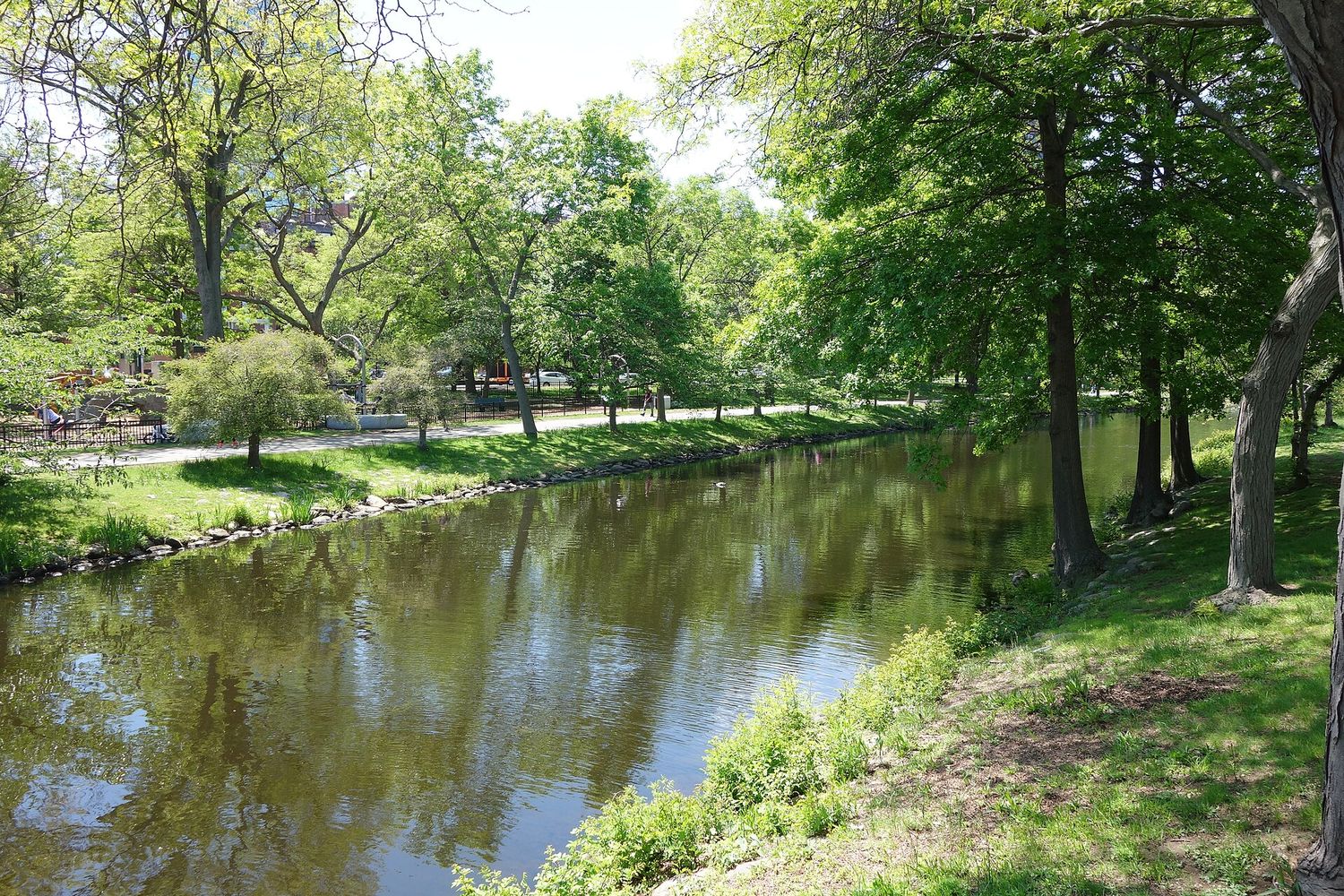
The Walk Into History tour plus the Boston 250 Pass comes to $50 and fills most of a day with the real thing. The Harbor Islands ferry is a much better boat ride, although the season ends early — the last public ferries of 2026 run over Indigenous Peoples’ Day weekend in mid-October, so it is not an option later in the fall. And the walk along the Esplanade from the Museum of Science to the Hatch Shell, or further to the Mass Ave bridge, gives you the river view that makes the Duck worth riding, for free.
None of that makes the Duck a poor choice for the right party. It does make it a poor default for adults who have not thought about the alternatives.
Practical tips
- Sit on the water side if you can. On land, seats on either side see plenty; on the river, the side facing Back Bay gets the skyline. Ask the staff at boarding which side that will be for your route.
- Arrive fifteen minutes early. Boarding is orderly but not fast, and the ticket booth line can be long on summer weekends.
- Bring a layer, even in summer. It is noticeably cooler on the water than on the street, and the wind comes straight down the basin.
- Keep the camera out for the splash. The ramp into the river is the moment people want on video, and it comes quickly.
- Do not expect to hop off. This is a continuous loop, not a hop-on hop-off service. You board and leave at the same place.
- Combine with something under the same roof. Prudential Center plus View Boston, or Museum of Science plus the museum, turns one ticket into a half-day with no extra travel.
- Tip the ConDUCKtor if they were good. It is customary on Boston tours, and the good ones work hard.
- Check the forecast on the day. If storms are coming through, the river section may be cancelled — the half refund is automatic, but you lose the best part of the tour.
Accessibility, strollers and small children
The operator runs wheelchair-accessible Ducks from all three departure points, and each Duck can carry up to two wheelchairs. Tell them when you book so the right vehicle is assigned. Strollers cannot come on board, but a guest services representative will take yours and hold it until you return.
Children of any age can ride. Under-threes need a ticket ($10.99 plus fees) and must have their own seat, which means no babies on laps. Life jackets are on board. The noise of the engine and the crowd can be a lot for a toddler, so the tour is at its best for children from about four upward. For a full family plan, including the attractions that are genuinely worth it for different ages, our guide to Boston with kids covers the city by age group.
How it fits into a Boston day
The tour works best early in a trip, as orientation, or on a day you have given over to the waterfront and the museums. Three workable combinations:
- Back Bay day: Duck tour from the Prudential Center at 10am, lunch nearby, the Boston Public Library’s McKim Building (free), then View Boston at dusk.
- Science and river day: Museum of Science when it opens at 9am, a Duck from the museum in the early afternoon, then walk the Esplanade to Beacon Hill for dinner.
- Harbor day: Duck tour from the Aquarium in the morning, the New England Aquarium itself after lunch, and cannoli in the North End on the way home.
If you are building a longer plan, our Boston itinerary lays out one to seven days, and our ranking of the top attractions in Boston explains why the Duck, for all its fame, sits outside the top twelve.
Boston Duck Tours: frequently asked questions
How long is a Boston Duck Tour?
About an hour and twenty minutes: roughly an hour on land and twenty minutes on the Charles River. Allow an extra fifteen to thirty minutes for check-in and boarding.
How much do Boston Duck Tours cost?
As of September 2026, the base fare is $57 for adults, $48 for seniors and military, $42 for children aged 3 to 11 and $10.99 for children under 3. A 5% Convention Center Fee is added, plus $2 per ticket online or $3.50 by phone, which brings an adult ticket to about $62.
Do Duck Tours go in the harbor or the river?
The river. All tours, from all three departure points, splash into the Charles River basin between Boston and Cambridge. For a trip on the harbor itself, take the Harbor Islands ferry or a whale watch from Long Wharf and Central Wharf.
Do Duck Tours run in the rain?
Yes. Tours depart rain or shine, with plastic side curtains to keep passengers dry. In severe weather the water section can be cancelled, in which case you get half the ticket price back; if the whole tour is cancelled, you get a full refund.
When does the Duck Tour season end?
The Ducks typically run from late March until around the end of November, usually finishing on the Sunday after Thanksgiving. They do not run in winter. Check the operator’s calendar for the exact dates in the year you are traveling.
Can kids drive the Duck?
Sometimes. On the river section, the ConDUCKtor may let children take the wheel briefly. It is at the driver’s discretion, not guaranteed.
Are Boston Duck Tours safe?
The Charles River basin is a sheltered, dammed stretch of water rather than open sea, and the operator will cancel the water section in bad weather. Duck vehicles are large and have limited visibility on busy streets, so keep children seated and hands inside while on land.
Is the Boston Duck Tour worth it?
For families with young children, for travelers with limited mobility and for anyone with only a day, usually yes. For history-minded adults and budget travelers, no: the Freedom Trail, the Boston 250 Pass and a walk along the Esplanade deliver more for less.
The Duck is one of several ways to be shown the city, and not always the best one. Our comparison of Boston sightseeing tours puts it alongside the guided walks, trolleys, harbor cruises and whale watches, with prices for each and a plain verdict on which to book for which kind of traveler.
If you leave from the Prudential Center, the best pairing is directly overhead. Our guide to the View Boston observation deck at the top of the same tower covers tickets, the open-air terrace, what you can see in each direction and the best time of day to go up.
Related Boston Guides
Book directly with Boston Duck Tours, check fares and service changes on mbta.com, and plan a river walk with the Esplanade Association.