Here is a number that ought to be on every arrivals board at Logan: in Massachusetts, clothing and footwear are exempt from sales tax up to $175 per item, and above that only the amount over $175 is taxed at all. A $170 coat costs $170. That single line of state law makes shopping in Boston quietly one of the better propositions in the United States, and almost nobody arriving from overseas or from New York knows about it until they get to the till and the number does not go up.
This guide covers the tax rules and what they actually save you, the streets and districts worth walking, the markets, the outlets and whether the trip is worth it, the bookshops and the genuinely local things worth carrying home, and what to skip. Prices and rules were checked in September 2026; confirm before you plan around the tax holiday in particular, because it is set annually.
The tax situation, first, because it changes what you buy
Massachusetts sales tax is 6.25%, with no local add-on on general retail — so the rate you pay in Boston is the rate you pay anywhere in the state.
The clothing exemption is the important part. Clothing and footwear are exempt from sales tax up to $175 per item. Above that threshold, only the portion over $175 is taxed. A $300 jacket is taxed on $125, which works out at about $7.81 rather than $18.75. For anyone used to a full rate on clothing, or to European VAT at 20%, this is a substantial and permanent discount that applies all year.
The August sales tax holiday
Once a year the state suspends sales tax on most retail purchases for a weekend. In 2026 it fell on 8 and 9 August, and applied to items priced $2,500 or less each — clothing, electronics, computers, furniture, school supplies and most general retail, including online orders placed during the weekend. There is no cap on how many qualifying items you combine.
Excluded: anything over $2,500, restaurant meals, motor vehicles, alcohol and tobacco. The dates are set by the legislature each year, so if you are planning around it, confirm the current year’s weekend rather than assuming it repeats.
The honest caveat, and local consumer coverage makes this point every August: retailers know the weekend is coming, and the discounts you see that weekend are frequently smaller than the sales in the weeks either side. Saving 6.25% on a full-price item is worse than 20% off the week before. The holiday is genuinely useful for a large planned purchase — a laptop, a piece of furniture — and largely theatrical for everything else.
Where to shop, district by district
Newbury Street
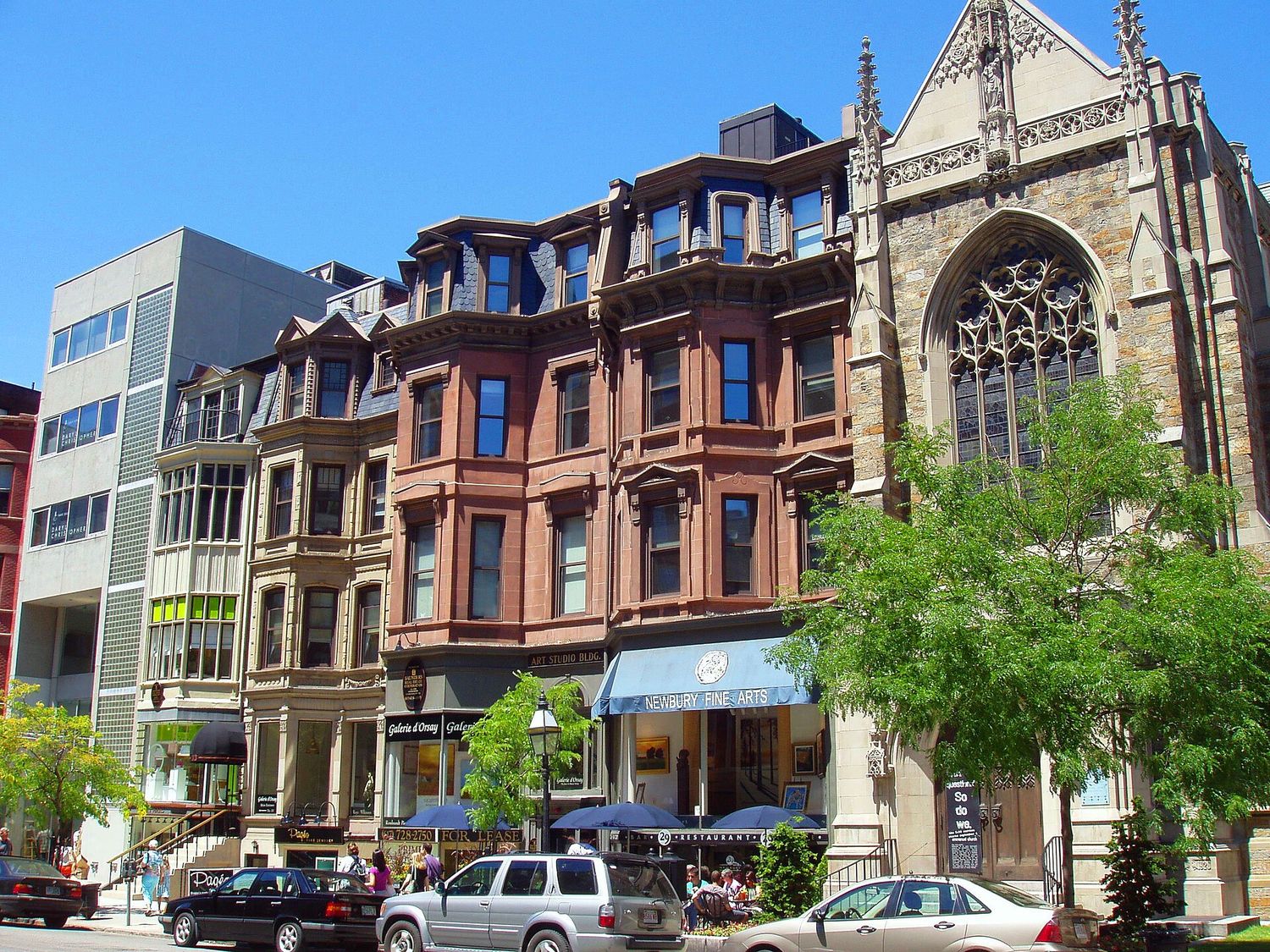
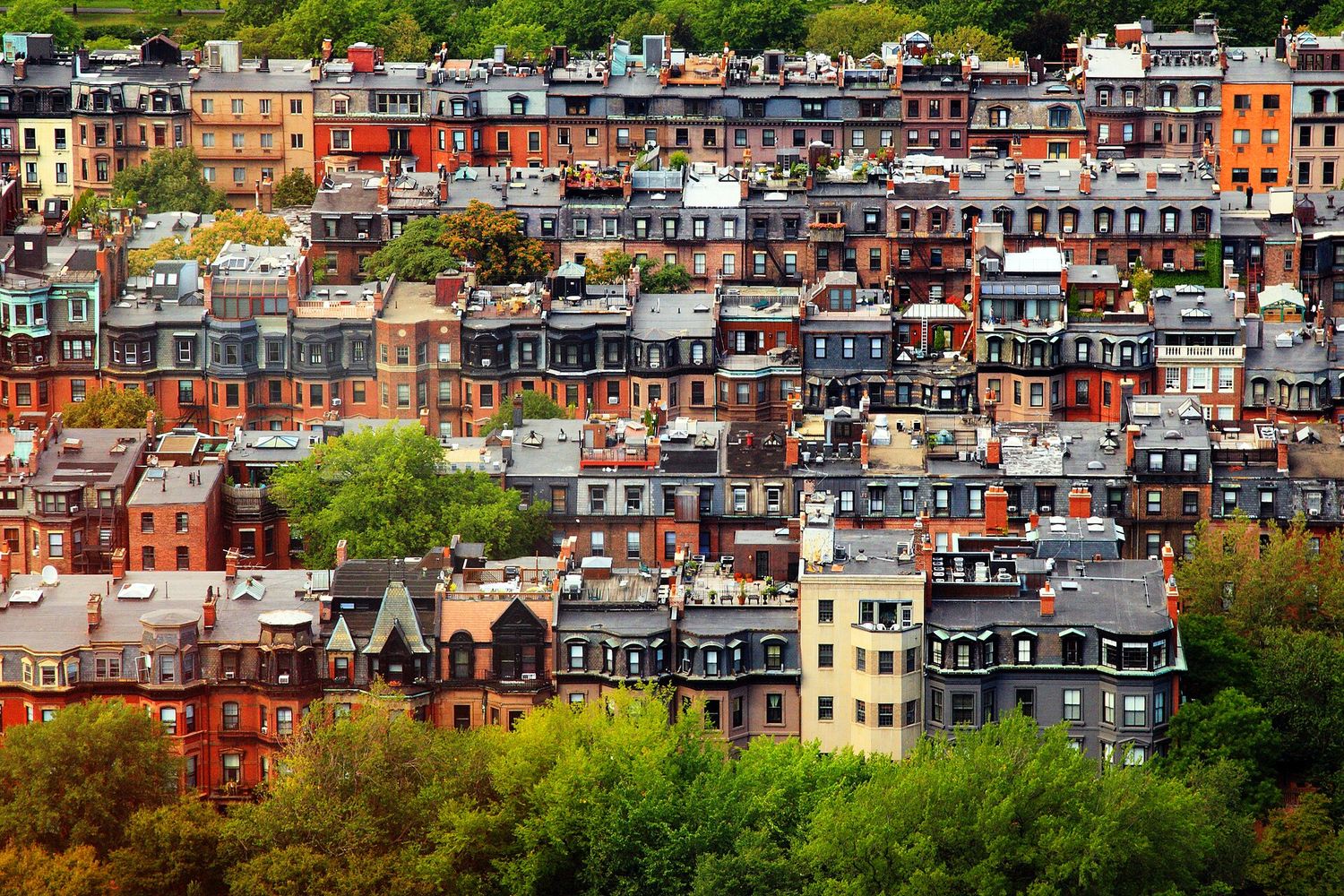
The famous one, and it is genuinely lovely to walk regardless of whether you buy anything. Eight blocks of nineteenth-century brownstones running from the Public Garden to Massachusetts Avenue, with shops fitted into the garden levels and parlor floors, and cafe tables on the sidewalk in summer.
It has a clear gradient. The Arlington Street end nearest the Public Garden is luxury: international fashion houses, jewelers, flagship stores. As you walk west the prices drop, and by the Massachusetts Avenue end you are among vintage clothing, tattoo studios, record shops and student-priced cafes. If your budget is normal, start at the far end and walk east, not the other way round.
What is actually good here: the vintage and consignment shops in the upper blocks, several excellent independent galleries, and the buildings themselves, which are the best-preserved run of Victorian commercial architecture in the city. In some years Newbury Street has been closed to traffic on summer Sundays for open-air shopping — the arrangement has come and gone, so check before you plan around it.
Back Bay: Copley Place and the Prudential Center
Two connected indoor malls joined by an enclosed bridge over Huntington Avenue, which is the most useful piece of Boston geography in February: you can cross a large part of Back Bay without going outside. Copley Place is the upmarket half, the Prudential Center the mainstream half, and between them they hold most of the national chains you would expect.
They are unremarkable as malls go and entirely fine as a rainy afternoon. The Prudential also has View Boston at the top — $34 plus a $3 fee, daily 10am to 10pm — so a shopping stop can end fifty-two floors up if the weather clears.
Charles Street, Beacon Hill
The best shopping street in Boston for anyone who does not want a chain. Charles Street runs along the flat foot of Beacon Hill between the Common and the river, and it is antiques, home goods, small booksellers, flower shops and a handful of long-established independents in low brick buildings with gas lamps outside. It is short — you can walk it in fifteen minutes — and the density of interesting shops per yard is the highest in the city.
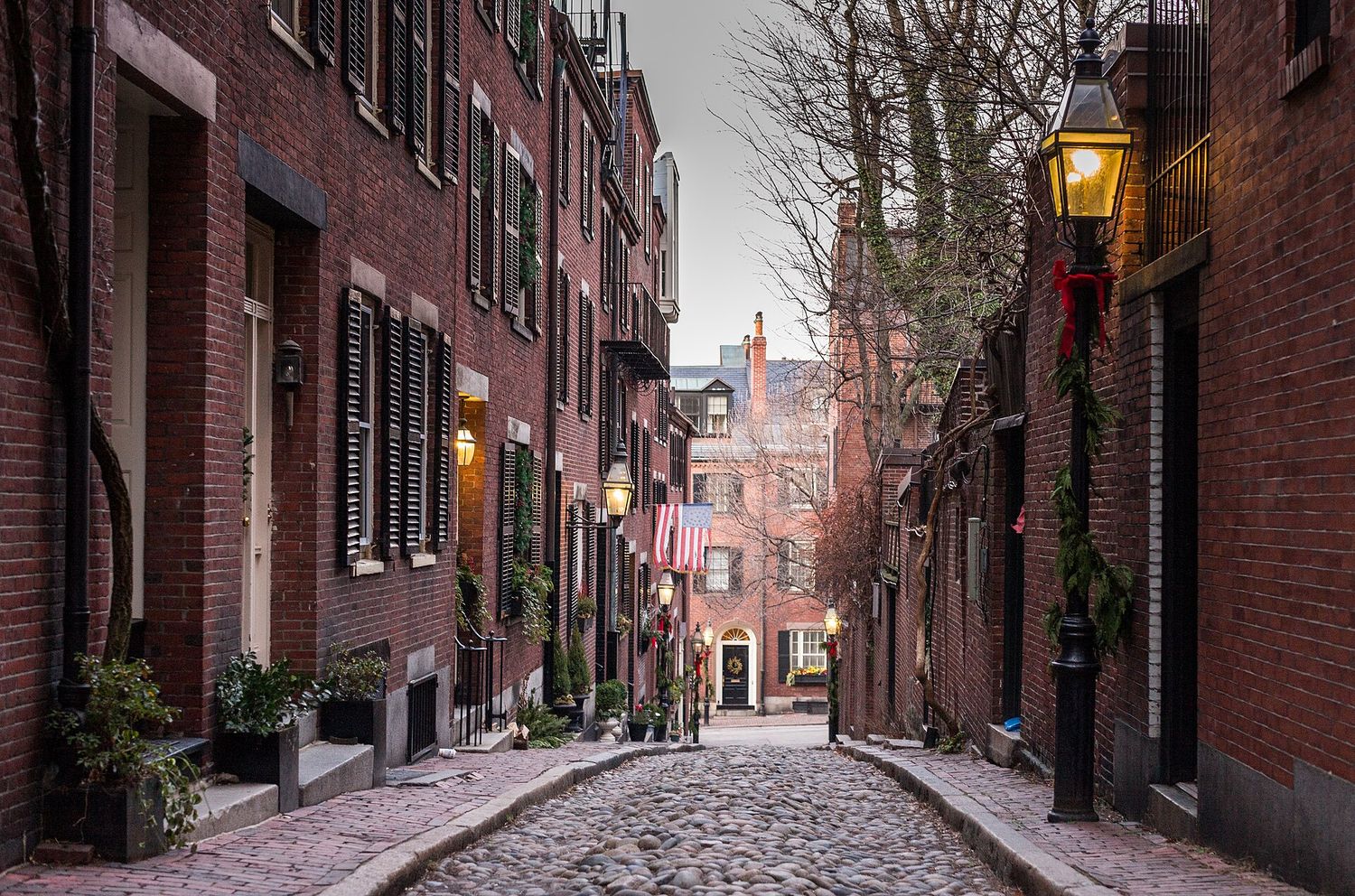
Prices reflect the zip code. But this is where to look for something with age to it, and the walk up Acorn Street afterwards is the most photographed lane in Boston. Our Boston neighborhoods guide covers Beacon Hill properly.
The South End and SoWa
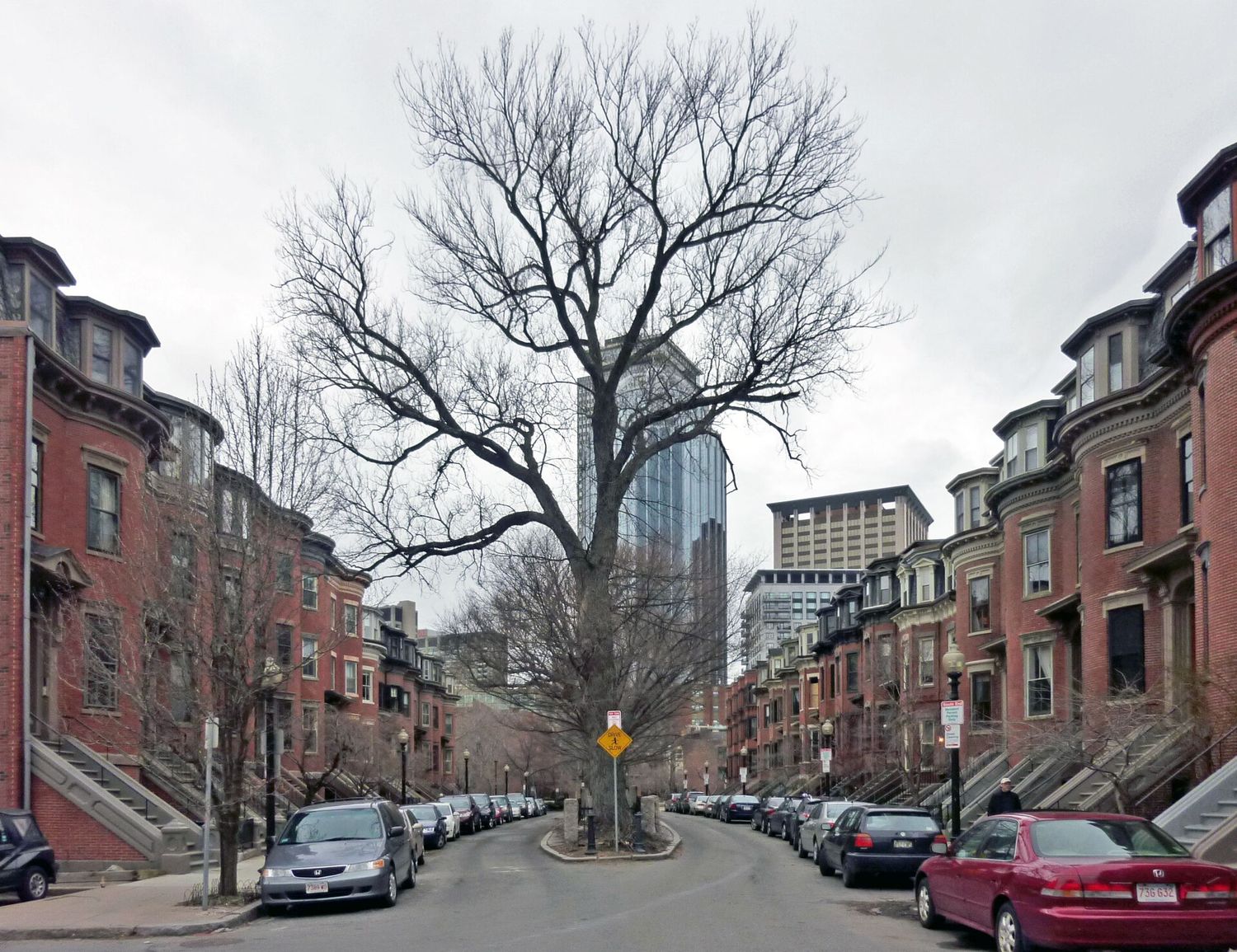
Design shops, galleries and studios in converted warehouse blocks off Harrison Avenue. On Sundays from May to October the SoWa Open Market fills the area with makers, vintage dealers and food trucks, and it is the best market in the city that is not about food. Free to walk around, genuinely local, and a completely different Boston from Newbury Street. Back Bay or Tufts Medical Center on the Orange Line.
Downtown Crossing
Historically Boston’s main shopping district and now a mixed bag: a pedestrianised street with department-store-scale buildings, discount retail, a large number of national chains and a rebuilt central block. It is convenient and it is not a destination. Worth walking through on the way somewhere; not worth a special trip.
Faneuil Hall Marketplace and Quincy Market
Here is the honest verdict. The buildings are magnificent — Quincy Market is a granite Greek Revival market hall from 1826 and Faneuil Hall behind it is a genuine Revolutionary landmark with free National Park Service talks in the Great Hall upstairs. The retail inside is a shopping mall: the same national chains and souvenir concessions you would find in any American tourist district, at tourist-district prices, in an extraordinary shell.
Go for twenty minutes for the Great Hall, which is free and worth it. Do not plan an afternoon of shopping here, and do not eat in the food court — the North End is a ten-minute walk away.
Harvard Square, Cambridge
Bookshops, above all — the best concentration in the United States, covered in our Cambridge and Harvard guide — plus the Harvard Coop for university merchandise on an industrial scale, surviving record and comics shops on the side streets, and several vintage clothing rooms. Fifteen minutes on the Red Line from Downtown Crossing.
Assembly Row and the suburban centers
Assembly Row in Somerville is an outlet-and-restaurant development with its own Orange Line station, which makes it the easiest discount shopping to reach from central Boston without a car. Legacy Place in Dedham is the other suburban option and needs a commuter rail trip or a car. Neither is a reason to visit Boston; both are useful if you want brands at a discount and have half a day.
Markets
Boston Public Market
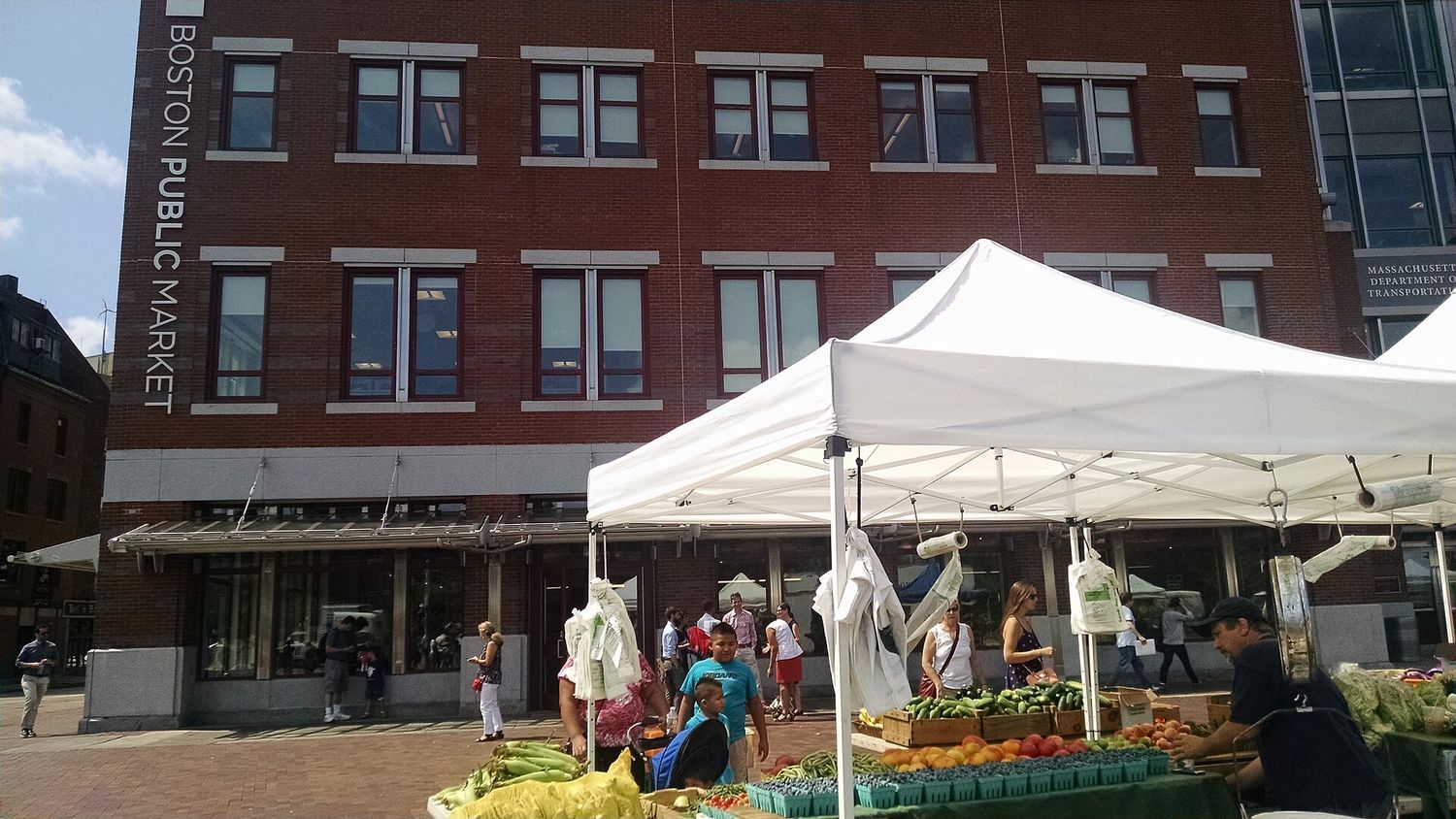
A permanent indoor market hall at Haymarket, on the Orange and Green Lines, selling food produced in New England — cheese, fish, maple, bread, produce, prepared food. It is a genuine local food market rather than a visitor attraction, it is open year-round, and it is the single best place in the city to buy something edible to take home. In season there is an outdoor farmers’ market on the plaza outside as well.
Haymarket
Fridays and Saturdays, immediately outside, and completely different in character: an open-air produce market that has operated on this site in some form since the 1830s, selling fruit and vegetables at prices well below the supermarket, loudly, in a working-class Boston accent that has not softened. It is not for visitors and it does not pretend to be. Cash, no touching the produce until it is yours, and be prepared to be shouted at cheerfully.
SoWa and the seasonal markets
SoWa Open Market on Sundays, May to October, in the South End. Copley Square hosts a farmers’ market in the warmer months, and the Christmas markets — Copley and City Hall Plaza — run through December. See our Boston events guide for the seasonal calendar.
The outlets: Wrentham, and whether to bother
Wrentham Village Premium Outlets is the big one, about thirty-five miles southwest of Boston, with the full complement of designer and mainstream outlet stores. It is the standard answer when a visitor asks where the bargains are.
Getting there is the problem. There is no direct train: the commuter rail from Back Bay reaches Franklin, and you need a local connection from there. Boston Common Coach has run a scheduled bus from downtown and from Boston and Cambridge hotels for over two decades — a typical Saturday departure is 9am from 291 Tremont Street with a return around 4pm, bookable on 617-773-2784. Various tour operators sell the same journey with a markup.
Whether to bother depends entirely on what you want. If you are buying a lot of clothing and shoes, the combination of outlet pricing and the $175 clothing exemption is genuinely strong, and a day out there can save real money. If you want two or three things, the day costs you a whole day of a short trip plus the coach fare, and Assembly Row on the Orange Line does most of the same job in two hours. For most visitors with three or four days in Boston, the answer is no.
What to actually buy in Boston
Most cities produce a list of souvenirs nobody wants. Boston has a few genuinely good ones.
- Books. The bookshops here are the best in the country and the exchange rate on ideas is excellent. Harvard Square for range, the Boston Public Library shop for the city itself, and the Grolier Poetry Book Shop if poetry is your thing.
- Team merchandise. Not a joke: Red Sox, Celtics and Bruins gear is a legitimate thing to carry home, and the official team stores at Fenway and TD Garden have more than the tourist stalls. Clothing, so tax-exempt under $175.
- Food from the Public Market. Massachusetts maple, New England cheese, cranberry products, and Boston-roasted coffee. Check your home country’s import rules before buying anything dairy or meat.
- Antiques from Charles Street. The real reason that street exists.
- Museum shops. The Museum of Fine Arts, the Gardner and the Institute of Contemporary Art all have shops that are better than the average, and you do not need admission to visit the MFA’s.
- University merchandise. Harvard and MIT sweatshirts are among the most-purchased objects in the metropolitan area, and the Coop and the MIT Press bookstore have the real versions rather than the licensed knock-offs on the Square.
And what to skip
The souvenir stalls around Faneuil Hall and along the Freedom Trail sell the same lobster magnets and printed tea towels at four times what they cost anywhere else. The “Boston” branded goods in the airport shops are worse and more expensive still. And the harbor cruise gift shops are, predictably, the worst value in the city. If you want something with the city’s name on it, buy it at a museum shop or a team store.
Specialty shopping Boston does better than most cities
A handful of categories where this city outperforms its size, mostly because of who lives here.
Musical instruments and sheet music
With the New England Conservatory, Berklee College of Music and Boston University’s music school all within about a mile of each other, the area around Massachusetts Avenue and Boylston Street supports a concentration of instrument dealers, repairers and sheet music shops that would be unusual in a city twice the size. Brass, strings and woodwind are all well served, and the used market is deep because students turn over instruments constantly.
Scientific, technical and academic
Kendall Square and Harvard Square support technical bookshops, university presses and shops selling the sort of object that only exists where there are engineers — precision tools, laboratory glassware as decoration, mathematical models. The MIT Press Bookstore is the obvious one. It is a genuinely different souvenir from a lobster magnet.
Outdoor and winter gear
New England takes weather seriously and the retail follows. The region is home to several well-known outdoor brands and the stores here carry proper cold-weather stock that a warmer city’s branches do not: real insulation, real boots, ice grips that fit over shoes. If you have arrived underdressed for a Boston February — and many people do — this is not a luxury purchase, it is a repair. And it is clothing, so tax-free under $175.
Antiques and Americana
Charles Street is the concentrated version, but the wider region is one of the best antiques markets in the country simply because the buildings are old enough to have produced the stock. Colonial and Federal furniture, maritime instruments, whaling-era scrimshaw and nineteenth-century prints all turn up regularly. Shipping is the constraint rather than availability; most established dealers will arrange it.
Irish and Italian imports
Two of Boston’s defining immigrant communities have left retail behind them. The North End has Italian grocers selling imported dry goods, cheese and cured meat that are genuinely worth carrying home, and the Irish neighborhoods of Dorchester and West Roxbury support import shops with woolens, foodstuffs and books. Both are neighborhood businesses rather than tourist operations, which is exactly why they are good.
Practicalities
| Question | Answer |
|---|---|
| Sales tax rate | 6.25%, no local add-on |
| Clothing and footwear | Exempt up to $175 per item; only the excess above $175 is taxed |
| Sales tax holiday | One weekend in August (8–9 August in 2026), items $2,500 or less. Set annually |
| VAT refund for visitors | Does not exist. The US has no tourist sales-tax refund scheme |
| Typical opening hours | Roughly 10am–7pm, later on Thursdays, shorter on Sundays. Independents often close Mondays |
| Payment | Cards everywhere; Haymarket is cash. Contactless is universal |
| Tipping | Not expected in retail |
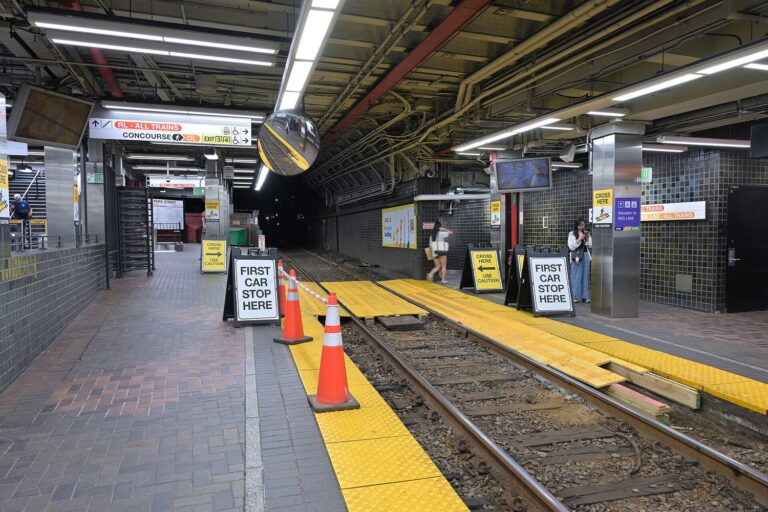
| Best transport | Green Line for Newbury and the Prudential, Red Line for Charles Street and Harvard, Orange Line for Haymarket, Assembly and the South End |
One point that surprises international visitors repeatedly: there is no VAT refund in the United States. You cannot claim sales tax back at the airport, there is no equivalent scheme, and anyone offering one is not describing a real thing. The saving you get is the one built into the price at the register — which, for clothing under $175, is the whole tax.
What things actually cost, with the tax worked through
The clothing exemption is easier to believe once you see it applied. These are worked examples at the September 2026 rate of 6.25%.
| Purchase | Taxable amount | Tax | Total |
|---|---|---|---|
| $60 sweatshirt | $0 | $0.00 | $60.00 |
| $150 pair of boots | $0 | $0.00 | $150.00 |
| $175 coat | $0 | $0.00 | $175.00 |
| $300 coat | $125 | $7.81 | $307.81 |
| $600 jacket | $425 | $26.56 | $626.56 |
| Three $120 shirts | $0 | $0.00 | $360.00 — the threshold is per item, not per receipt |
| $1,200 laptop, ordinary weekend | $1,200 | $75.00 | $1,275.00 |
| $1,200 laptop, tax holiday weekend | $0 | $0.00 | $1,200.00 |
| $40 souvenir mug | $40 | $2.50 | $42.50 — not clothing, so fully taxed |
Two things fall out of that table. The threshold is per item, so three separate $120 shirts are entirely tax-free while one $360 coat is not — buying several moderate pieces beats one expensive one, at least on tax. And the tax holiday is worth planning around only for the non-clothing categories, because clothing already gets a better deal every other weekend of the year.
A shopping day that works
The half-day version
Green Line to Hynes, walk east down Newbury Street from the Massachusetts Avenue end — vintage first, then the mid-blocks, then the expensive end — and finish at the Public Garden. Two hours, entirely outdoors, no admission fees, and the best-looking street in the city. If it rains, cut through to the Prudential and Copley Place and cross under cover.
The full-day version
Charles Street in the morning for antiques and independents, walking up through Beacon Hill. Down to Haymarket for the Boston Public Market and, if it is a Friday or Saturday, the outdoor market beside it. Orange Line to Back Bay in the afternoon for the South End, or on a Sunday between May and October to the SoWa Open Market. Dinner in the South End. No mall, no chain, and about $6 in fares.
The bargain-hunting version
Assembly Row on the Orange Line for outlet brands in two hours, or the full Wrentham day by coach if you are buying seriously. Combine with the August tax holiday only if you are making a large planned purchase; otherwise the sales in July and September are usually better.
The neighborhood high streets, where people actually shop
Everything above is a district a visitor is likely to be sent to. This is the other Boston: ordinary shopping streets in residential neighborhoods, none of them a destination and all of them more interesting than a mall.
- Centre Street, Jamaica Plain — the best of them. Independent bookshops, record shops, a long-running food co-op, gift shops, and a strong Latin American commercial presence at the Hyde Square end. Orange Line to Green Street or Stony Brook.
- Broadway, South Boston — gentrified fast and still holds its old hardware stores and bakeries alongside the new. Red Line to Broadway.
- Coolidge Corner, Brookline — a genuine neighborhood center around a 1933 art deco cinema, with an excellent independent bookshop, a Jewish deli tradition and good casual food. Green Line C branch.
- Davis Square, Somerville — records, comics, vintage clothing and a general air of not caring what Newbury Street is doing. Red Line.
- Maverick and Central Squares, East Boston — Latin American groceries, bakeries and shops, four minutes from downtown on the Blue Line and effectively undiscovered by visitors.
- Harvard Avenue, Allston — Korean and Chinese supermarkets, cheap kitchenware, and the student economy’s supply chain.
The reason to know about these is that they are where you find things that are not available in every American city, at prices set for people who live here. They also cost nothing to walk around and each one is a genuine slice of the city.
Vintage, secondhand and records
Boston is a strong secondhand city, largely because a metropolitan area with a quarter of a million students generates an enormous churn of clothing, books and furniture every May.
Vintage clothing clusters at the western end of Newbury Street, in Davis and Central Squares, and in Allston. Prices have risen everywhere over the last decade, but the range is good and the turnover is fast.
Records survive better here than in most American cities, with shops in Harvard Square, Central Square, Davis Square and Allston. The used jazz and classical sections in the Cambridge shops are unusually deep, because the conservatories keep feeding them.
Books, as covered above and in our Cambridge and Harvard guide, are the city’s real strength. Used and antiquarian dealers are concentrated around Harvard Square and on Beacon Hill.
Allston Christmas deserves a mention as a phenomenon rather than a shopping opportunity. Boston’s residential leases overwhelmingly turn over on 1 September, which means that on the last days of August the sidewalks of Allston, Brighton and much of Cambridge fill with abandoned furniture. Locals furnish apartments from it. As a visitor you will not be shipping a sofa home, but it is a remarkable thing to walk through.
A short history of Boston retail
Downtown Crossing is a bit of a disappointment now, and the reason is worth knowing because it explains the shape of the city’s shopping.
For most of the twentieth century this was one of the great American retail districts, anchored by two large department stores facing each other across Washington Street: Jordan Marsh and Filene’s. In the basement of the latter was Filene’s Basement, which operated one of the most famous pricing systems in retail history — an automatic markdown clock, where goods were reduced by 25% after two weeks on the floor, 50% after three, 75% after four, and then given to charity. Bostonians planned around it. The annual bridal gown sale was a genuine stampede, covered on the evening news.
Both stores are gone, the original Filene’s Basement closed in 2007 when its building was redeveloped, and the redevelopment then stalled for the better part of a decade leaving a hole in the middle of downtown. The site was eventually rebuilt, but the retail gravity had already moved to Back Bay and to the suburbs, and it did not come back. What remains at Downtown Crossing is convenience retail and discount chains in some very handsome early twentieth-century buildings.
The other half of the story is Newbury Street, which was residential until the middle of the twentieth century and became a shopping street gradually, as Back Bay’s single-family brownstones were converted floor by floor. That is why the shops there are odd shapes with staircases in strange places: they are somebody’s front parlor.
Shopping by season
| Period | What is happening |
|---|---|
| January | Post-holiday clearance, the deepest discounts of the year, and the quietest shops. The best month to buy clothes here |
| February–March | Quiet. Spring stock arrives late, and the weather keeps people in the malls |
| April–May | Marathon merchandise everywhere in April; graduation gifts and university merchandise in May |
| June–July | Summer sales begin in earnest by early July. Newbury Street is at its best outdoors. Sidewalk sale events in some years |
| August | The sales tax holiday weekend, plus end-of-season clearance. Also the busiest tourist weeks |
| September | Back-to-school and the student influx. Good clearance on summer stock in the first half of the month |
| October–November | Fall stock at full price; Thanksgiving weekend brings the year’s heaviest promotional period |
| December | Christmas markets at Copley and City Hall Plaza, late opening hours, and the city at its most attractive. Not the month for bargains |
If the object of the trip is to buy clothes cheaply, come in January. If it is to enjoy shopping as an activity, come in late September or early October, when the weather is at its best and the streets are not crowded. Our best time to visit Boston guide has the wider seasonal picture.
Shopping in the rain, and with children
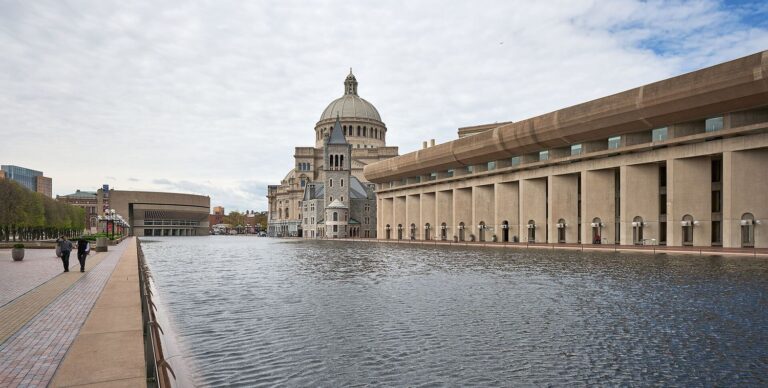
Boston loses days to weather, and the covered options are worth knowing. The Prudential Center and Copley Place connect by an enclosed bridge over Huntington Avenue, so you can cross a large part of Back Bay indoors — the single most useful wet-weather trick in the city. The Prudential also connects through to the Hynes Convention Center and, via a short covered stretch, toward the Christian Science Plaza.
With children: the Boston Public Market at Haymarket is indoors, has food, and takes about an hour. The museum shops at the Museum of Science and the New England Aquarium can be visited without paying admission at both, which is a useful twenty minutes. Faneuil Hall Marketplace has street performers in the covered arcades that entertain small children far more than the shops will. Our Boston with kids guide has the full rainy-day list.
One practical note for families: the older Green Line stations have stairs and narrow platforms, and Newbury Street’s shops are frequently up or down a flight of steps from the sidewalk because they were built as houses. If step-free access matters, the malls and the Charles Street level ground are the easier options.
Getting your purchases home
Two practical constraints on a shopping trip here.
Shipping. Most established shops will ship, and the antiques dealers on Charles Street do it as a matter of routine. For international shipping, ask before you buy rather than after — the quote is often a significant fraction of the price on anything bulky, and customs paperwork for antiques and for anything containing ivory, tortoiseshell or protected timber is genuinely restrictive.
Customs and import limits. Check your own country’s allowances before you fill a suitcase. Food is the usual problem: cheese, meat and fresh produce are restricted or prohibited into many countries, and the Boston Public Market’s best products are exactly those categories. Maple syrup, coffee, dry goods and packaged confectionery travel without difficulty almost everywhere.
Luggage. If you have bought more than you flew in with, the practical answer is a cheap additional bag from one of the discount stores at Downtown Crossing or Assembly Row, which will cost less than most airlines charge to check an oversized item. Logan’s own retail is limited and expensive, so do this in the city rather than at the airport.
Frequently asked questions
Is there sales tax on clothing in Boston?
Only above $175 per item. Massachusetts exempts clothing and footwear up to $175, and above that only the amount over $175 is taxed at the 6.25% rate. A $170 pair of shoes is tax-free; a $300 coat is taxed on $125. This applies all year, not just during the August holiday.
When is the Massachusetts tax-free weekend?
One weekend each August, set annually by the legislature. In 2026 it was 8 and 9 August, covering most retail items priced $2,500 or less, including online orders placed during the weekend. Meals, alcohol, tobacco, motor vehicles and anything over $2,500 are excluded. Confirm the current year’s dates before planning around it.
Is the tax-free weekend actually worth it?
For a large planned purchase, yes — a $1,500 laptop saves about $94. For clothing, mostly no, since it is already exempt under $175, and the promotional discounts in the weeks either side are often deeper than the 6.25% you save. The stores know the weekend is coming and price accordingly.
What is the best shopping street in Boston?
Newbury Street for the walk and the range, with prices falling steadily as you move west toward Massachusetts Avenue. Charles Street on Beacon Hill for antiques and independents and the highest density of interesting shops. Harvard Square across the river for books.
Is Quincy Market worth visiting for shopping?
The buildings are worth twenty minutes and the free National Park Service talks in Faneuil Hall’s Great Hall upstairs are worth more than that. The retail inside is a shopping mall of national chains and souvenir stalls, and the food court is poor value. Look at the architecture, then walk to the North End.
Can tourists claim a tax refund in the United States?
No. There is no VAT-style refund scheme for visitors in the US, and nothing to reclaim at the airport. What you save is what is built into the price — which for clothing under $175 in Massachusetts is the entire tax.
Are the Wrentham outlets worth the trip from Boston?
Only if you are buying a lot. It is thirty-five miles out with no direct train; a scheduled coach runs from downtown and from Boston and Cambridge hotels, typically leaving around 9am and returning about 4pm. That is a full day of a short trip. Assembly Row in Somerville, on the Orange Line, covers much of the same ground in two hours.
Where can you buy local food to take home from Boston?
The Boston Public Market at Haymarket, which sells only New England produce — maple, cheese, cranberry products, seafood, coffee — year-round and indoors. Check your home country’s import rules for anything dairy, meat or fresh before you buy.
What are the shop opening hours in Boston?
Broadly 10am to 7pm, later on Thursday evenings, with shorter Sunday hours. Independent shops frequently close on Mondays, and hours contract in January and February. Malls keep longer and more consistent hours than the streets.
Where do locals shop in Boston?
Not on Newbury Street. Charles Street for household things and antiques, the SoWa market on a Sunday, Haymarket on a Friday for produce, Assembly Row or one of the suburban centers for anything mainstream, and the neighborhood high streets — Centre Street in Jamaica Plain, Broadway in Southie, Massachusetts Avenue in Cambridge — for the rest.
Faneuil Hall Marketplace has more than 40 shops and pushcarts, but it is better for a Red Sox cap than anything you could not find at home. Our full guide to Faneuil Hall Marketplace covers the hours, the street performers, Quincy Market’s 200th birthday and the history upstairs in the Great Hall.