Ranked lists of tourist sights are usually written by people who have not stood in the line. This one is ordered by a single question — is it worth what it costs, in money and in the hours it takes out of a short trip — which produces a list of top attractions in Boston where three of the best five are free and the most heavily advertised one does not make the top ten at all.
All prices were checked in September 2026 and several operators here now use peak-day pricing, so treat them as a floor. Where something is seasonal, that is flagged, because Boston closes more of itself between October and April than visitors expect.
The top twelve, ranked
| # | Attraction | Adult price | Time needed | Verdict |
|---|---|---|---|---|
| 1 | The Freedom Trail | Free | 3–5 hours | The reason to come |
| 2 | USS Constitution and its museum | Free | 2 hours | Best free hour in the city |
| 3 | Isabella Stewart Gardner Museum | $25 | 2 hours | Unlike any other museum anywhere |
| 4 | Museum of Fine Arts | $30 | 3 hours+ | A genuinely great encyclopedic collection |
| 5 | New England Aquarium | $39.95 | 2–3 hours | The best paid family attraction |
| 6 | Boston Public Library, McKim Building | Free | 1 hour | One of the great interiors in America |
| 7 | Fenway Park tour | $30 | 1 hour | Works even if you dislike baseball |
| 8 | Boston Harbor Islands | $25 ferry | Half a day | Seasonal, and the best day out here |
| 9 | Museum of Science | ~$33 | Half a day | The widest age range of anything on the list |
| 10 | View Boston, Prudential Tower | $34 + $3 | 1 hour | Best paid view; go at dusk |
| 11 | Boston Common and the Public Garden | Free | 1 hour | Not an attraction so much as the city’s living room |
| 12 | Boston Tea Party Ships and Museum | $35–39 | 1.5 hours | Theatrical, and better for children than adults |
1. The Freedom Trail — free
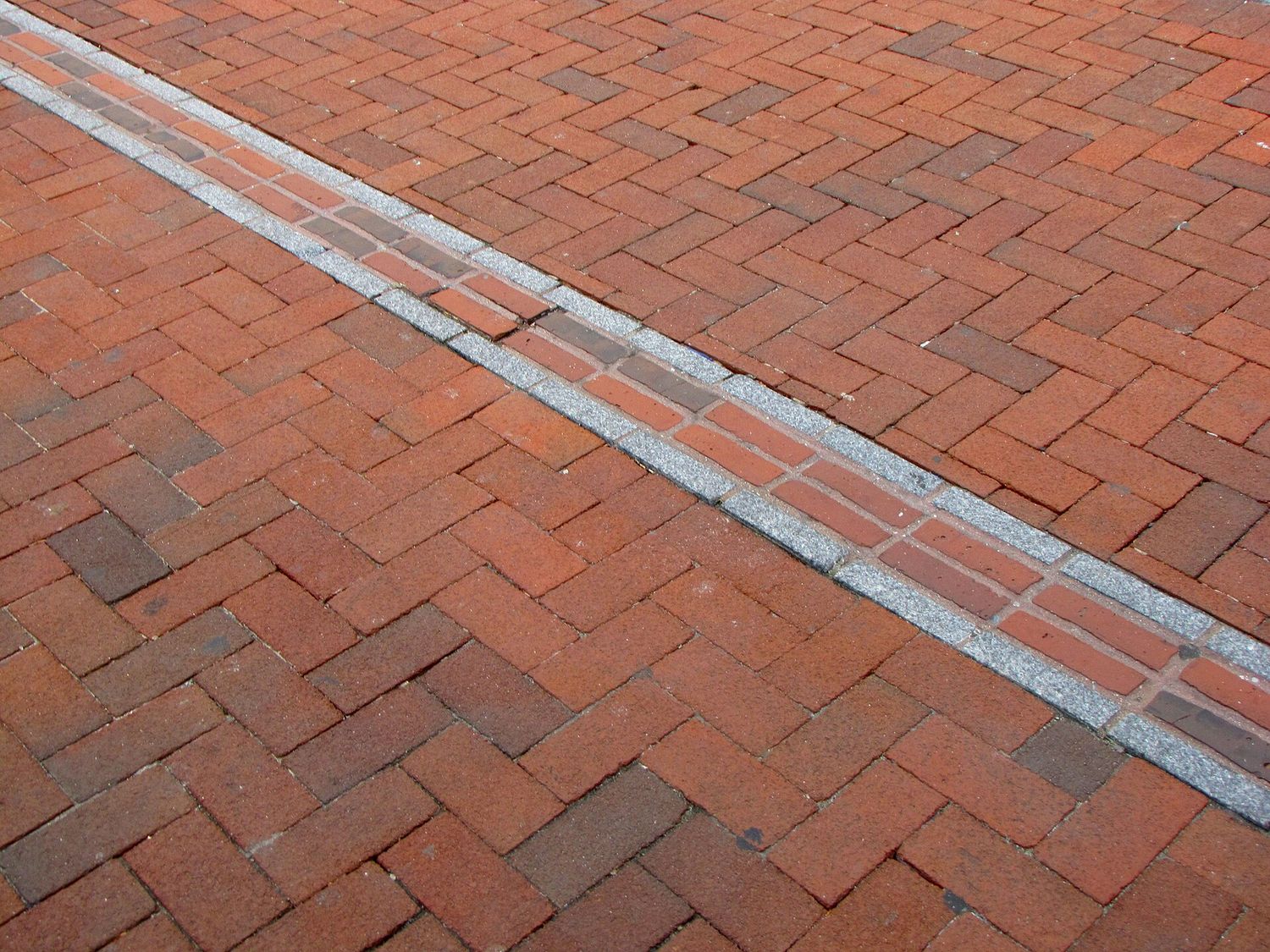
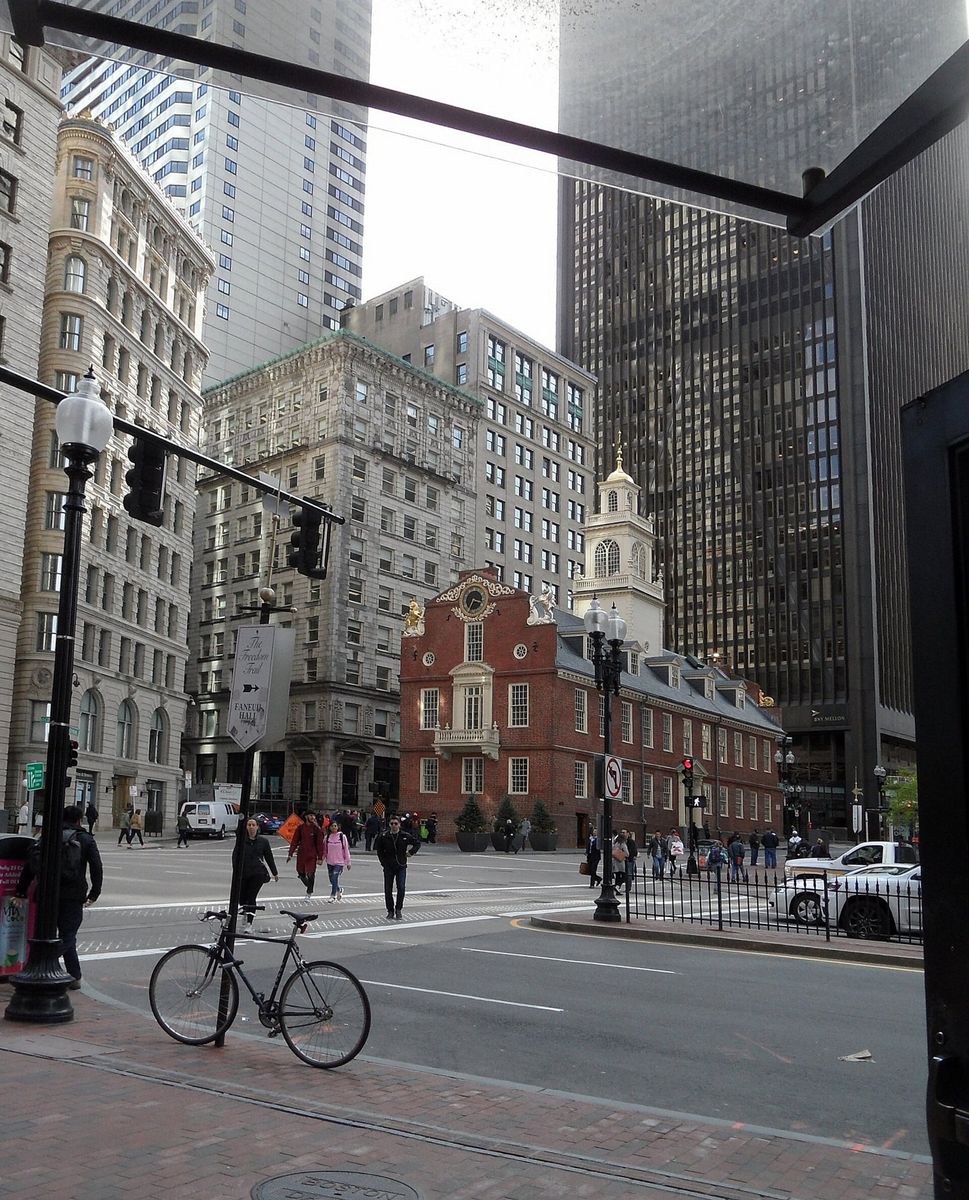
Two and a half miles, sixteen official sites, a red brick line set into the pavement, free and always open. It runs from Boston Common to the Bunker Hill Monument in Charlestown, taking in the Granary Burying Ground, the Old State House, the site of the Boston Massacre, Faneuil Hall, the Paul Revere House, Old North Church and USS Constitution.
The individual buildings charge, and cheaply: the Paul Revere House is $6 for adults and $1 for children aged 5 to 17; Old North Church is $10 for adults and $5 for young people, crypt included; the Old State House and Old South Meeting House share one Revolutionary Spaces ticket at $18 adult and $10 child, both open daily 10am to 5pm. The Boston 250 Pass at $33 covers five sites that cost $39 bought separately (checked September 2026), saving about $6, and it is the best-value ticket in Boston for anyone doing the history properly, provided Old North and the Old State House are on the list.
The guided Walk Into History tour is $17 for adults and $8 for children aged 6 to 12, runs ninety minutes covering eleven of the sixteen sites, and departs Boston Common at 10, 11, 12, 1 and 2 daily. Our full Freedom Trail guide walks all sixteen stops in order.
2. USS Constitution and the USS Constitution Museum — free
Launched in 1797, fought the War of 1812, still a commissioned United States Navy warship, and crewed by active-duty sailors who show you around her themselves. Adults over 18 need photo ID to board. It is free, it is at the Charlestown end of the Freedom Trail, and the ten-minute ferry from Long Wharf gets you there for a standard MBTA fare — a boat ride and an attraction on one ticket.
The museum next door is also free with a suggested donation of $10 to $15 for adults and $5 to $10 for children, and it is unusually well designed: you can haul on a rope to feel the load, lie in a hammock, and see how the ship was actually worked. It is the best hour in Boston that costs nothing.
3. Isabella Stewart Gardner Museum — $25
$25 for adults, $22 seniors, $15 students, free for under-18s. Closed Tuesdays, and free for everyone on Thursday evenings from 5pm to 9pm.
A Venetian palazzo built in the Fenway around a glass-roofed courtyard planted with ferns and palms, holding a collection assembled by one woman and hung exactly as she left it — because her will forbids rearrangement. That clause is why the empty frames from the unsolved March 1990 theft of thirteen works, including a Vermeer and three Rembrandts, still hang where the paintings were. Nothing else in American museums is remotely like it.
Two quirks worth knowing: the Thursday evening free slot is genuinely free rather than discounted, and anyone named Isabella gets in free for life with 24 hours’ notice and identification.
4. Museum of Fine Arts — $30
$30 for adults, $14 for children aged 7 to 17, free under 7. Closed Tuesdays, and open until 10pm on Thursdays and Fridays — which is the quietest and much the best time to be in it.
One of the great encyclopedic museums in the United States: Egyptian, Asian and classical collections of real depth, an outstanding American wing, and the Impressionists that most visitors come for. It is genuinely large, and three hours is a minimum rather than a thorough visit. It is also on the CityPASS list, which changes the arithmetic if you are buying one.
5. New England Aquarium — $39.95
$39.95 for adults, $30.95 for children aged 3 to 11, $37.95 for seniors over 60, free under 3. Weekday hours 9am to 5pm, weekends 9am to 6pm, with New England residents getting $5 off outside peak periods.
The building is organized around a four-story cylindrical Giant Ocean Tank with a spiral ramp winding around it, so a small child walks slowly downwards past new things at their own eye level. It is the best paid attraction in Boston for children under about eight, and it is on Central Wharf, five minutes from Aquarium station on the Blue Line. Book the timed slot rather than joining the walk-up line on a wet Saturday. The seals outside the front door can be watched for free from the plaza.
6. Boston Public Library, McKim Building — free
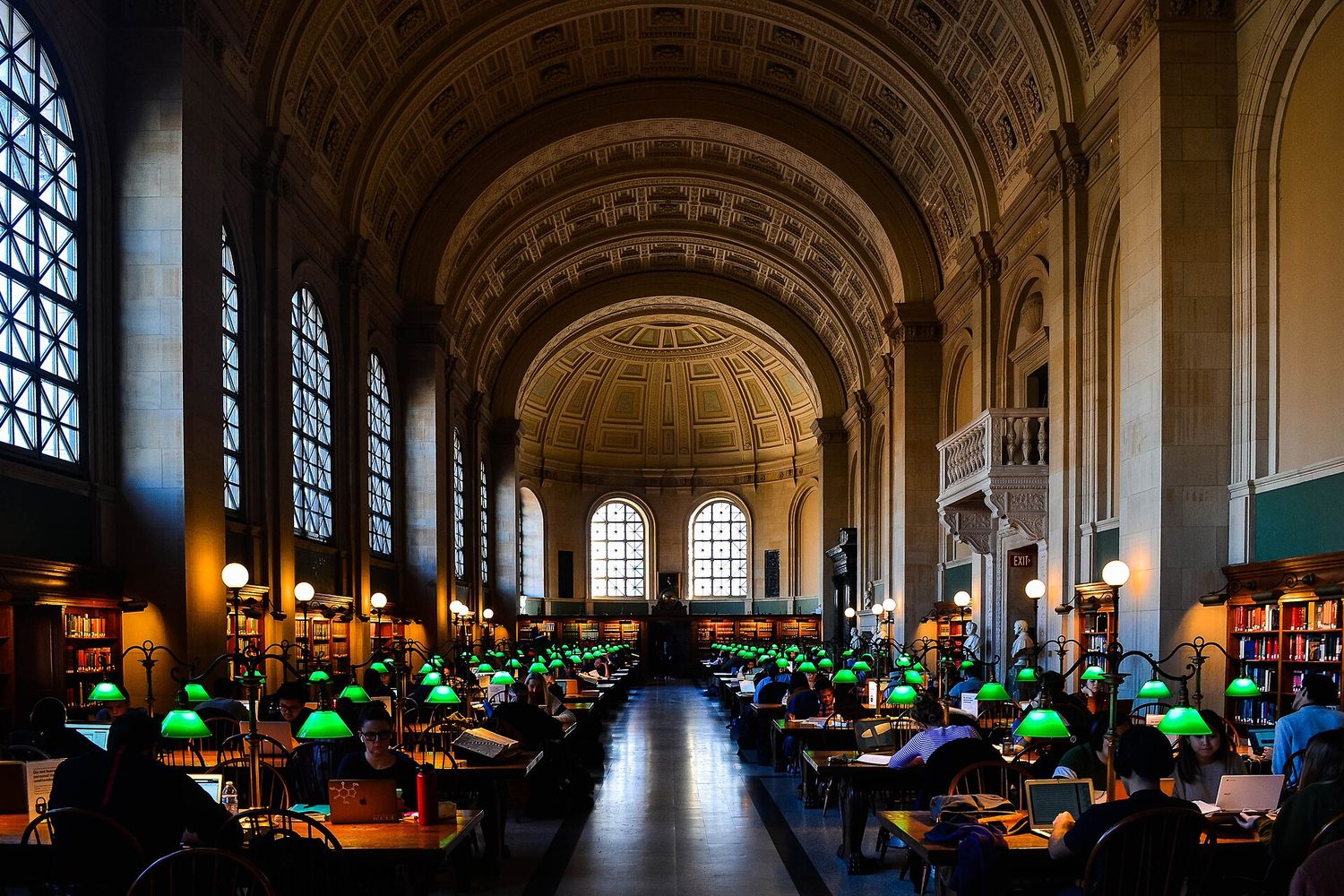
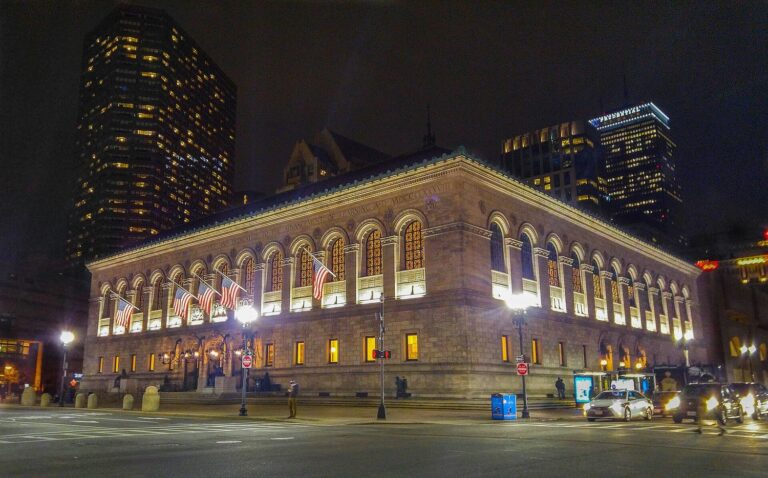
Built in 1895 as the first large free municipal library in America, with a courtyard modeled on a Roman palazzo, Sargent murals on the third floor, and Bates Hall — a 218-foot barrel-vaulted reading room with rows of green lamps. All of it is free, all of it is open to anyone who walks in off Copley Square, and free art and architecture tours run most days.
It is the most under-visited great building in Boston, and it is two minutes from the Marathon finish line on Boylston Street.
7. Fenway Park tour — $30
$30 for adults and $21 for children aged 3 to 12, hourly from Gate D on Jersey Street, 9am to 5pm April to October and 10am to 5pm November to March, with the last tour three hours before first pitch on game days.
Opened in 1912 and the oldest park in Major League Baseball, awkwardly shaped because it was squeezed into a city block, with a 37-foot left field wall because there was nowhere to put the seats. The tour puts you on the warning track and up in the Green Monster seats, and it works on people with no interest in the sport, because the building is the story. Book ahead in summer. Our Boston sports guide covers the games themselves.
8. The Boston Harbor Islands — $25 ferry
A national and state park of 34 islands, reached by ferry from Long Wharf North: $25 for adults, $18 for children aged 3 to 11 and $23 for seniors, return. Seasonal — 2026 service ran from mid-May to Indigenous Peoples’ Day weekend in October.
Georges Island is the one to pick: Fort Warren, a granite Civil War-era fortification with ramparts you can walk and unlit casemates you can get lost in with a flashlight, plus the best free view of the skyline anywhere. Spectacle Island has a supervised swimming beach and hills built from Big Dig spoil. This is the best half-day in Boston between May and October and it is invisible the rest of the year — see our Boston harbor and islands guide.
9. Museum of Science — around $33
Around $33 for adults, $28 for children aged 3 to 11 and $29 for seniors, open daily 9am to 5pm, with the Planetarium and the Mugar Omni theater each around $6 extra.
Built across the dam between Boston and Cambridge, and the attraction on this list with the widest useful age range — it holds a six-year-old and a sixty-year-old equally well. The exhibit halls alone take three to four hours if your party engages with them; adding a Planetarium show makes it a full day, so do not schedule anything else. Science Park on the Green Line puts you at the door.
10. View Boston — $34 plus a $3 fee
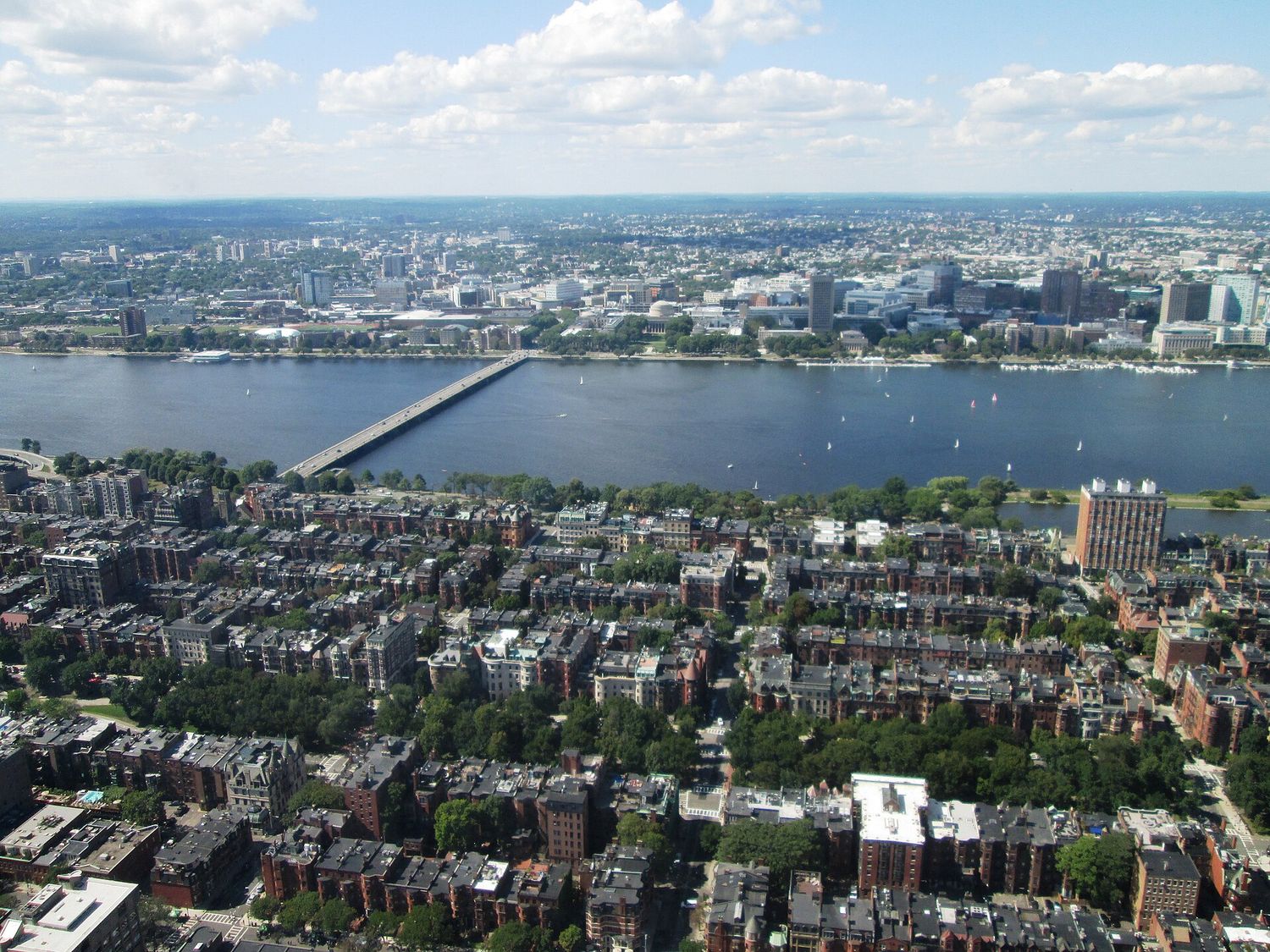
$34 plus a $3 booking fee, open daily 10am to 10pm on the 52nd floor of the Prudential Tower, with a “Sips & Sights” evening ticket at $48. A promotion currently lets one paying adult bring up to four under-13s free, which turns it into one of the better family-value tickets in the city — check it is still running when you book.
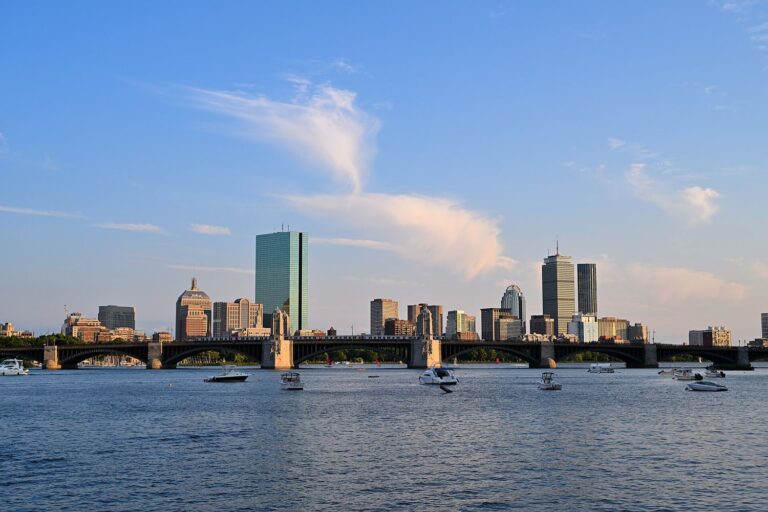
Go at dusk. The daytime view is fine and the view with the lights coming on across the Charles is the one worth the money. The free alternative is the Esplanade or the Cambridge bank at sunset, which is arguably better and costs nothing.
11. Boston Common and the Public Garden — free
Public land since 1634 and the oldest public park in the United States, with the Public Garden across Charles Street — the first public botanical garden in America, laid out in 1837, with a lagoon and a small iron suspension bridge from 1867.
The Swan Boats are $4.75 for adults and $3.25 for children aged 2 to 15, run about fifteen minutes, and have been operated by the same family since 1877. They are strictly seasonal: the 2026 season ran 18 April to 7 September. The Frog Pond is a spray pool in summer and a skating rink from mid-November to March at $10 for adults, free for children under 58 inches.
12. Boston Tea Party Ships and Museum — $35–39
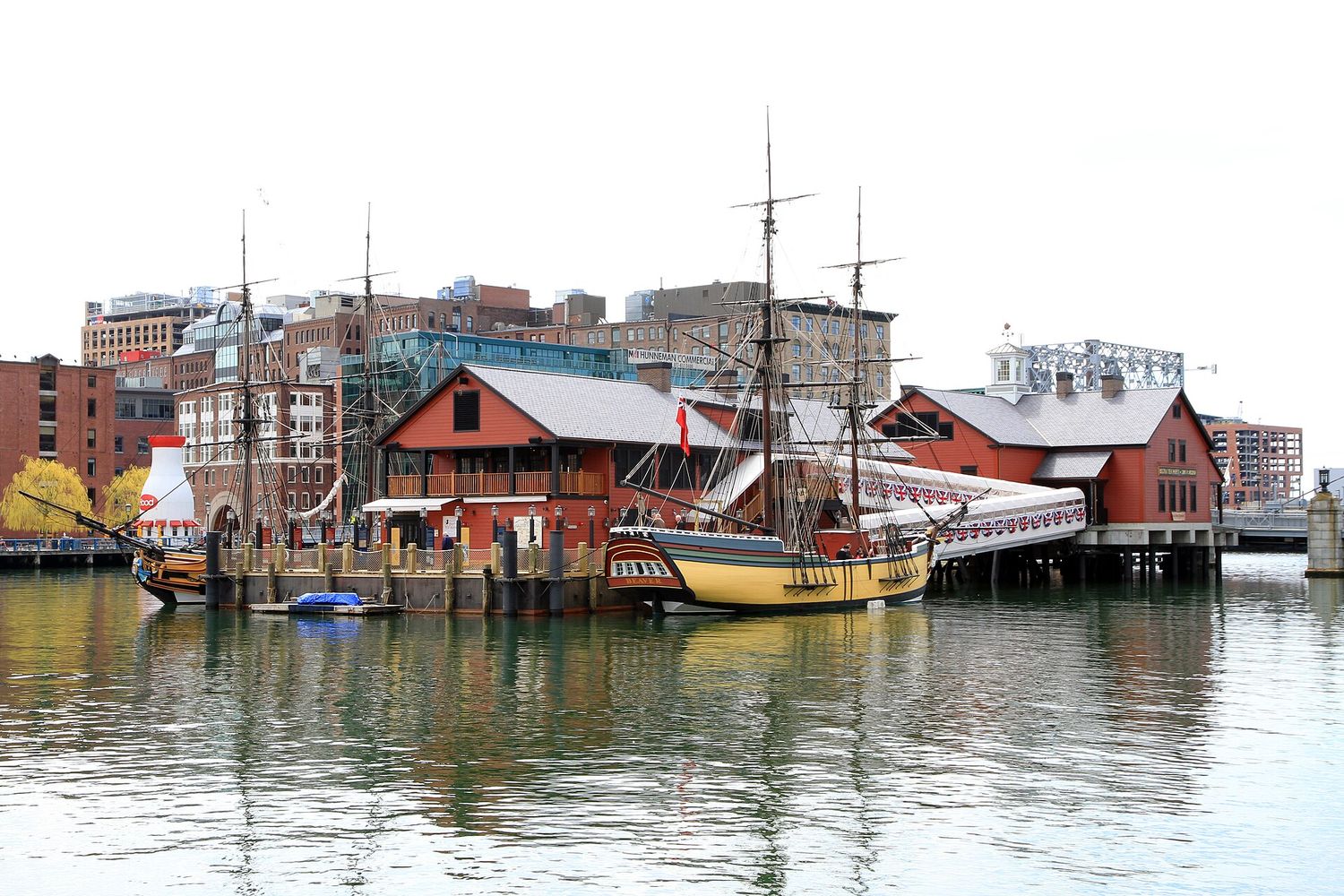
$35 to $39 for adults and $26 for children aged 3 to 12, on timed entry with peak-day pricing. Replica ships on Fort Point Channel, costumed interpreters, and a re-enactment in which you throw a chest of tea over the side.
The honest verdict: it is theater rather than scholarship, and it is priced like a major museum. Children between about six and twelve enjoy it a great deal; adults expecting historical depth generally do not. If you have limited money and want the Revolution, the Freedom Trail is free and the Old State House is $18.
What did not make the list, and why
Boston Duck Tours — $57 for an adult and $42 for a child aged 3 to 11, plus a 5% Convention Center fee and a $2 online booking fee. Eighty minutes, of which about ten are on the Charles River, in a city you can walk across in an hour. For a family of four that is over $210. It is the most heavily marketed attraction in Boston and the worst value on this page.
Quincy Market — the 1826 granite market hall is magnificent and the retail inside is a shopping mall. Faneuil Hall behind it, with free National Park Service talks in the Great Hall, is worth twenty minutes; the food court is not worth any.
Hop-on hop-off bus tours — the historic core is about three miles end to end. You will spend longer waiting for the next bus than you would have spent walking.
Harbor dinner cruises — a buffet on a boat at a premium price. Take the $25 island ferry or a commuter boat and eat on land.
Passes: do they pay back?
| Pass | Price | Covers | Worth it? |
|---|---|---|---|
| Boston CityPASS | $84 adult, $72 child 3–11 | Choose 4 of 7: Aquarium, Museum of Science, Boston Harbor City Cruises, View Boston, Franklin Park Zoo, Harvard Museum of Natural History, MFA. Valid 9 days from first use | Yes if you will do at least three. Aquarium + Museum of Science + View Boston + MFA at the gate is roughly $137, so it saves about $53 a head |
| Go City Boston (All-Inclusive) | From ~$79 (1 day), $109 (2), $134 (3) | 40+ attractions, unlimited within the period | Only on a very high-volume day. Most visitors do not manage four attractions in one day |
| Go City Explorer | From ~$54 for a choice of 2 | Pick-your-own from the same list | Marginal — compare against the two gate prices first |
| Boston 250 Pass | $33 adult | Paul Revere House, Old State House, Old North Church, Old South Meeting House, King’s Chapel | Yes for anyone doing the Revolutionary history properly. The best-value ticket in Boston |
The gap worth noticing: CityPASS includes nothing on the Freedom Trail and the Boston 250 Pass includes none of the big museums. No single pass covers a typical Boston week, and buying two rarely pays back.
Closing days, which ruin more plans than anything else
- Closed Tuesdays: Museum of Fine Arts, Isabella Stewart Gardner Museum, Boston Children’s Museum, Harvard Art Museums.
- Closed Mondays: Institute of Contemporary Art.
- Weekdays only: the Massachusetts State House building and its free tours, roughly 8.45am to 5pm — a Saturday Freedom Trail walk sees the outside only.
- Open daily: Museum of Science, New England Aquarium, View Boston, the Freedom Trail itself.
- Seasonal: Swan Boats (18 April – 7 September in 2026), Harbor Islands ferries (mid-May to October), Frog Pond skating (mid-November to March), Duck Tours (late March to the Sunday after Thanksgiving), whale watches (roughly April to November).
How to fit them together
One day
The downtown half of the Freedom Trail from Boston Common to Faneuil Hall in the morning, lunch in the North End, the ferry to Charlestown for USS Constitution in the afternoon, ferry back, and the Boston Public Library or View Boston at dusk. Cost: two MBTA fares, and $34 if you go up the Prudential.
Two days
Add the Fenway museums — the Gardner and the Museum of Fine Arts are half a mile apart — or the Aquarium and the waterfront if you have children. The Gardner’s Thursday evening is free.
Three days
Add the Harbor Islands if it is in season, Cambridge if it is not, or the Museum of Science with a Planetarium show. Our Boston itinerary guide has the fuller plans, and things to do in Boston covers everything beyond this top twelve.
Just outside the top twelve
Six more that any of the above could reasonably be swapped for, depending on what you like.
- Institute of Contemporary Art — $20 adult, $17 senior, $15 student, free under 18, closed Mondays and free for everyone on Thursday evenings 5pm to 9pm. The building cantilevers over the harbor in the Seaport and the top-floor gallery faces nothing but water.
- Harvard Art Museums, Cambridge — free to everyone since 2023, Tuesday to Sunday 10am to 5pm. Three collections under a Renzo Piano glass roof, and the most under-visited excellent museum in the region.
- Bunker Hill Monument — free, 294 steps, no elevator, and the view from the top is the reward. At the far end of the Freedom Trail in Charlestown.
- Massachusetts State House — free guided tours, weekdays only, roughly 10am to 3.30pm, about 40 minutes, meeting in Doric Hall. Bulfinch, 1798, with a dome that was wood, then Revere copper, then gold. Closed weekends and holidays.
- Faneuil Hall’s Great Hall — free National Park Service talks in a room where the Revolution was argued about out loud. Twenty minutes, and the best thing in that whole complex.
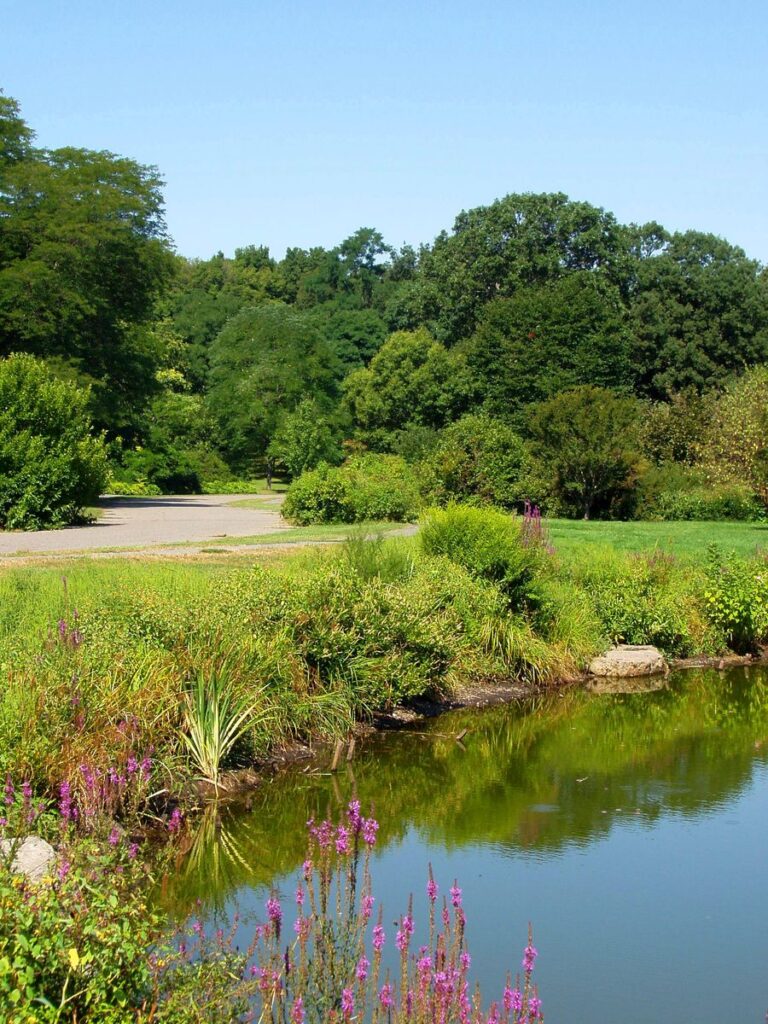
- The Arnold Arboretum — 281 acres of Olmsted landscape in Jamaica Plain, free, open sunrise to sunset, Orange Line to Forest Hills. Almost nobody visiting Boston goes, which is most of the appeal.
Getting between them
A subway single is $2.40, a local bus $1.70, a day pass $11 and a seven-day pass $22.50. From 1 September 2026 the MBTA is piloting unlimited transfers within a two-hour window on the same payment method, so you pay the highest-priced service rather than each leg.
The geography sorts into four clusters, and understanding them saves more time than any pass saves money:
- Downtown and the waterfront — the Freedom Trail, Faneuil Hall, the Aquarium, the harbor ferries and the Tea Party Ships are all within about a mile of each other and best done on foot.
- Charlestown — USS Constitution and Bunker Hill, reached by the ten-minute ferry from Long Wharf or on foot over the Charlestown Bridge.
- The Fenway — the Museum of Fine Arts, the Gardner and Fenway Park sit within half a mile of one another, on the Green Line. This is a separate half-day from downtown.
- Back Bay — View Boston, the Boston Public Library and the Christian Science Plaza, all walkable from Copley or Prudential.
The Museum of Science is on its own, on the dam between Boston and Cambridge at Science Park on the Green Line, and the Harbor Islands are a half-day committed to the water. Do not attempt to combine either with something across town.
Frequently asked questions
What is the number one attraction in Boston?
The Freedom Trail — 2.5 miles, sixteen sites, a red brick line in the pavement, free and always open. It is the reason most people come to Boston and it is the thing the city does better than anywhere else in America.
What are the best free attractions in Boston?
The Freedom Trail itself, USS Constitution and its museum in Charlestown, the McKim Building of the Boston Public Library, Boston Common and the Public Garden, the Harborwalk, and the Harvard Art Museums across the river in Cambridge. Several of the best things in this city cost nothing.
Is the Boston CityPASS worth buying?
If you will visit at least three of the seven listed attractions, yes. At $84 for adults and $72 for children it saves roughly $53 a head against gate prices for a typical Aquarium, Museum of Science, View Boston and MFA combination, and it is valid nine days from first use. It covers nothing on the Freedom Trail.
Are the Boston Duck Tours worth it?
No, in our view. $57 an adult and $42 a child plus a 5% Convention Center fee and a $2 booking fee, for eighty minutes with about ten of them on the Charles River, in a city you can walk across in an hour. The same money buys a family an Aquarium day with change.
Which Boston museums are closed on Tuesdays?
The Museum of Fine Arts, the Isabella Stewart Gardner Museum, the Boston Children’s Museum and the Harvard Art Museums. The Institute of Contemporary Art closes Mondays instead. The Museum of Science and the New England Aquarium open daily.
How much do Boston attractions cost?
The paid ones run from $6 at the Paul Revere House to $39.95 at the New England Aquarium, with most major museums between $20 and $33. A day built around one paid attraction costs a single adult about $50 including food and fares; a day built on the free tier costs the fares alone.
What is the best view of Boston?
View Boston on the 52nd floor of the Prudential at $34 plus a $3 fee, open daily to 10pm, is the best paid view — go at dusk. The best free views are from the Charles River Esplanade at sunset, Piers Park in East Boston, and the top of the Bunker Hill Monument’s 294 steps.
How many attractions can you do in a day in Boston?
Two paid ones, comfortably, plus walking between them. Three is possible and rushed. The city’s compactness means the travel time is small, but the major museums each want three hours or more, which is the real constraint.
If you are wondering where the Duck boats went, they were left off this list on value, not quality. Our full guide to Boston Duck Tours sets out the route, the twenty minutes on the Charles, the fees you only see at checkout, and the kind of traveler for whom it is still the right call.
If the view is what you are after, timing matters more than anything else. Our guide to the View Boston observation deck covers what is on each of its three floors, the open-air Cloud Terrace on 51, sunset times by month, how CityPASS changes the price, and the two free viewpoints downtown that come closest.
The library earns its place near the top of this list, but most visitors see only the doorway of Bates Hall. Our Boston Public Library tour guide explains how to book the free weekly guided tour and lays out a room-by-room route through the McKim Building — the grand staircase, the Sargent Gallery, the Abbey Room and the courtyard most people never find.
Four of the attractions on this list share a pass, and whether it pays depends entirely on which four you pick. Our guide to whether Boston CityPASS is worth it works through every combination at September 2026 gate prices — the best saves an adult about $72, the weakest about $21 — and explains the catches, including the fact that it covers nothing on the Freedom Trail.
Several of the attractions on this list are also Freedom Trail stops, and the trail’s sixteen sites vary enormously in what they offer. Our guide to the Freedom Trail stops reviews each one, from the Old State House museum to the plaque most people walk straight past, with prices, closed days and a ranking of the interiors.