Sixteen stops sounds like a lot until you walk them and find that four are graveyards, three are plaques in the pavement, one is a Chipotle with a history, and one is a warship. The Freedom Trail stops are wildly uneven. Some deserve an hour and a ticket; some deserve two minutes and a photo; and a couple you will walk straight past unless someone tells you to look down. Knowing which is which is the difference between a great day and a long one.
This guide goes through all 16 official stops one at a time: what each one is, what is inside, what it costs, how long to give it, and an honest verdict on whether to go in, look from outside, or keep walking. It also ranks the interiors, sets out what a day of paid entries actually costs, checks whether the Boston 250 Pass saves you anything, and flags the stops that are closed on certain days. Prices and hours were checked in September 2026; several sites change their hours by season, so confirm before you go.
All 16 Freedom Trail stops at a glance
| # | Stop | Built or founded | Go inside? | Adult cost | Give it |
|---|---|---|---|---|---|
| 1 | Boston Common | 1634 | Walk through | Free | 20–30 min |
| 2 | Massachusetts State House | 1798 | Yes, on a weekday | Free tour | 40 min |
| 3 | Park Street Church | 1809 | Outside is enough | Free | 5 min |
| 4 | Granary Burying Ground | 1660 | Yes | Free | 20 min |
| 5 | King’s Chapel and Burying Ground | 1754 (congregation 1686) | Yes, ideally with the crypt tour | $5; tour $15 | 20–45 min |
| 6 | Boston Latin School site and Franklin statue | 1635 (school) | Outdoor | Free | 5 min |
| 7 | Old Corner Bookstore | About 1718 | No | Free | 2 min |
| 8 | Old South Meeting House | 1729 | Yes | $18 with stop 9 | 30–45 min |
| 9 | Old State House | 1713 | Yes | $18 with stop 8 | 45 min |
| 10 | Boston Massacre Site | 1770 | Outdoor | Free | 5 min |
| 11 | Faneuil Hall | 1742 | Yes, for a ranger talk | Free | 30 min |
| 12 | Paul Revere House | About 1680 | Yes | $6 | 40 min |
| 13 | Old North Church | 1723 | Yes | $10; with bell tour $15 | 30–60 min |
| 14 | Copp’s Hill Burying Ground | 1659 | Yes | Free | 15 min |
| 15 | USS Constitution | 1797 | Yes | Free (photo ID 18+) | 45–60 min |
| 16 | Bunker Hill Monument | 1843 | Yes, climb it | Free | 45 min |
For the route between them, with directions and walking times, see our Freedom Trail map. For the walk as a whole, including which direction to go and how to plan the day, see our main Freedom Trail guide.
Downtown: stops 1 to 11
1. Boston Common
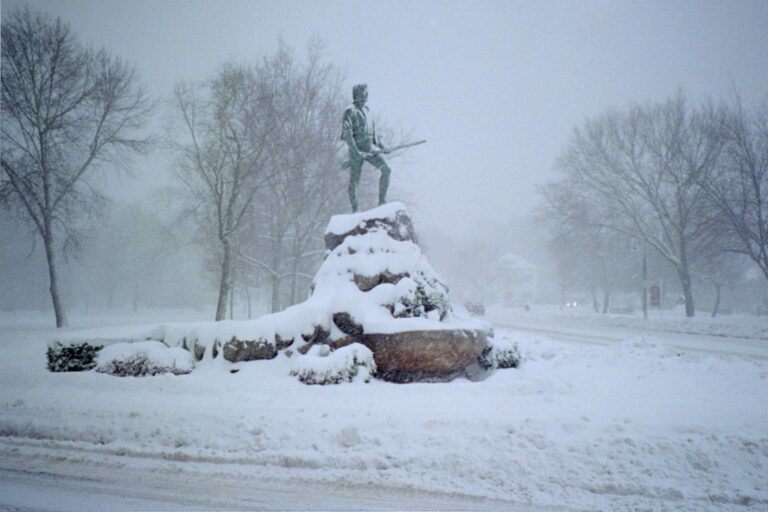
What it is: America’s oldest public park, set aside in 1634 and used over the centuries for grazing cows, drilling militia, hanging criminals and quartering British troops during the occupation of 1768 to 1776. What to see: the Visitor Information Center at 139 Tremont Street, where the trail starts and free maps are handed out; the Central Burying Ground on the Boylston Street side; the Frog Pond; and, at the top of the hill, the Shaw Memorial to the 54th Massachusetts Regiment, one of the finest pieces of public sculpture in the country. Verdict: the trail crosses it diagonally in ten minutes, but the Shaw Memorial deserves five more. Our Boston Common guide has the rest.
2. Massachusetts State House
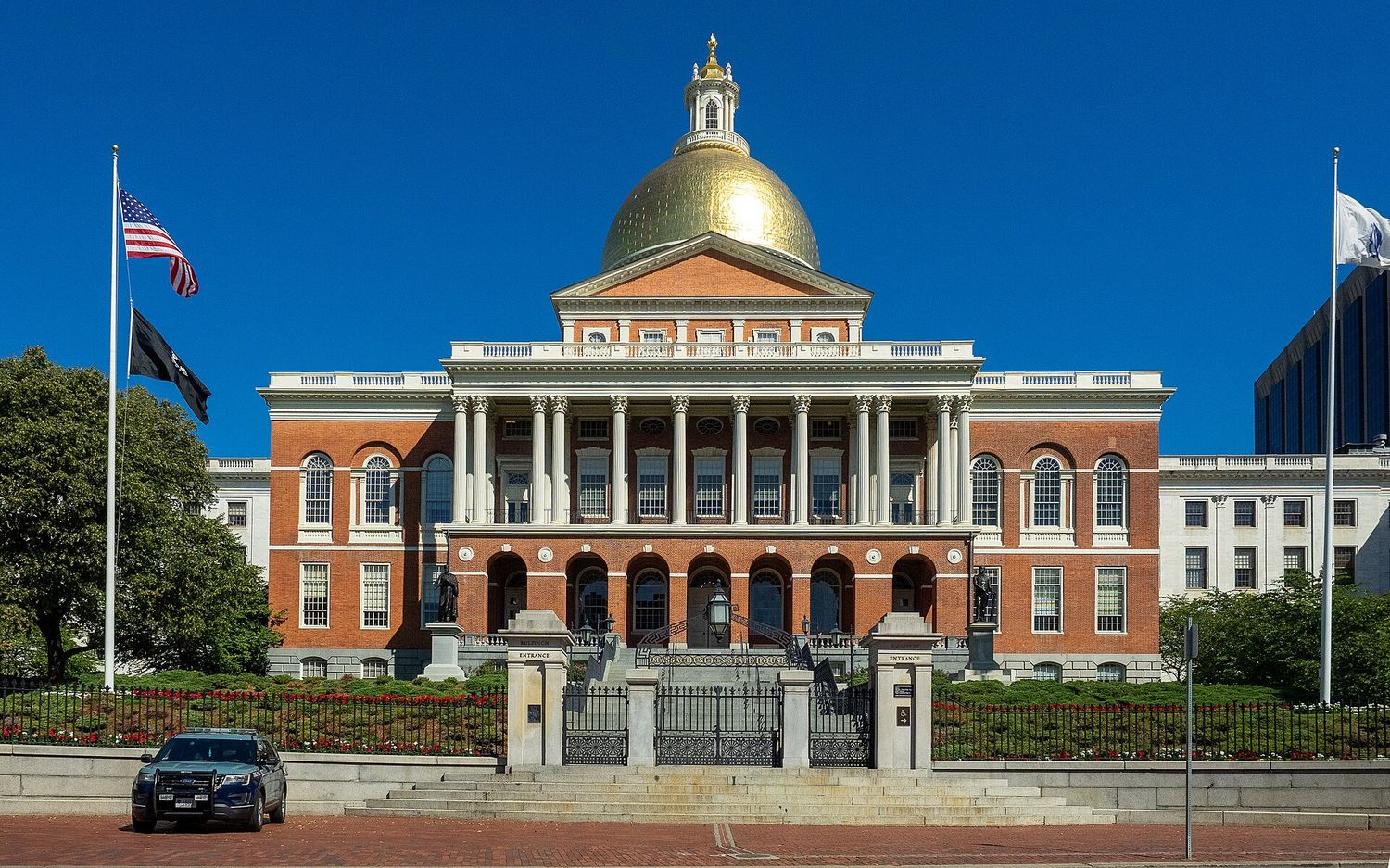
What it is: the seat of Massachusetts government, designed by Charles Bulfinch and finished in 1798 on land that had been John Hancock’s cow pasture. What is inside: Doric Hall, the Hall of Flags and, hanging in the House chamber, the Sacred Cod, a carved wooden fish that has hung over the state’s lawmakers since the 1780s as a reminder of what built Massachusetts’ early fortunes. Cost and hours: free guided tours of about 40 minutes run on weekdays only, roughly 10am to 3:30pm, starting in Doric Hall; the building is open weekdays from 8:45am to 5pm and closed on weekends and holidays. Groups of ten or more should book about three weeks ahead with the tours office on 617-727-3676. Verdict: if you are here on a weekday, take the tour; it is free, well run and one of the few chances on the trail to see government still happening. On a weekend, admire the dome from the Common and move on.
3. Park Street Church
What it is: a white-steepled Congregational church from 1809 on the corner of Park and Tremont Streets, and still an active congregation. It earned the nickname Brimstone Corner partly from its fiery preaching and partly because gunpowder was stored in its crypt during the War of 1812. William Lloyd Garrison gave his first public antislavery speech here in 1829, and “America,” the song that begins “My country, ’tis of thee,” was first sung here on the Fourth of July in 1831. Verdict: a working church whose opening to visitors varies by season; the story is better than the interior, and five minutes on the sidewalk is enough for most people.
4. Granary Burying Ground
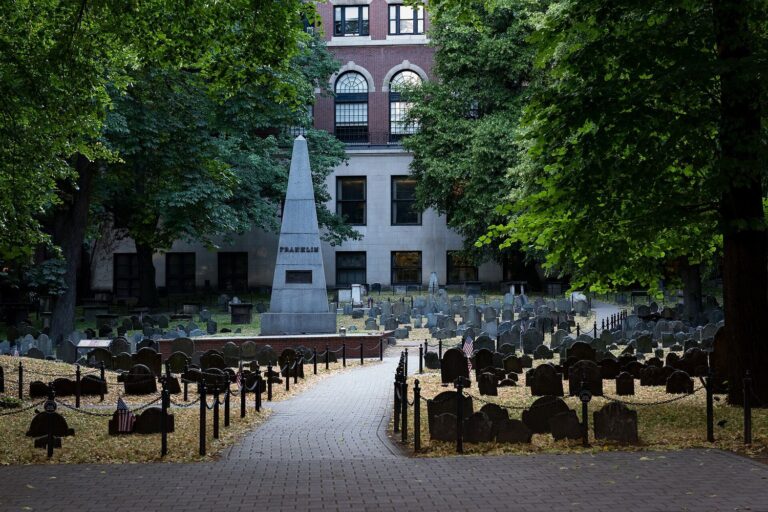
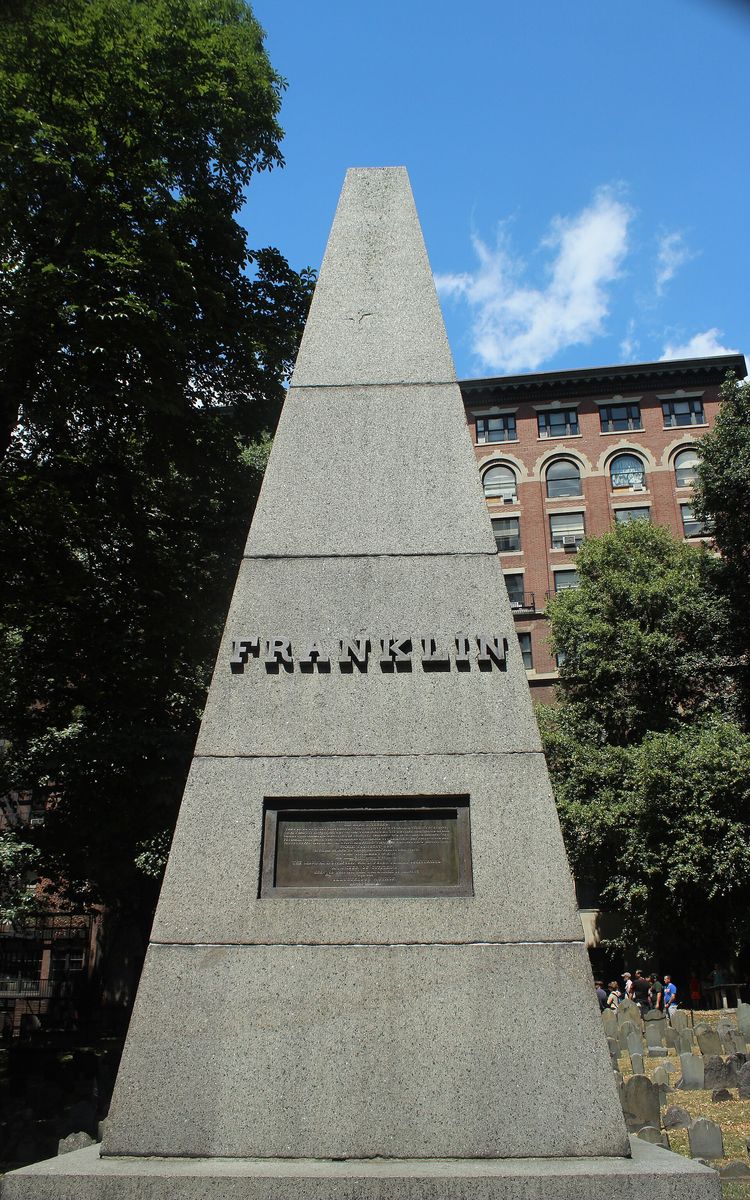
What it is: Boston’s third-oldest burying ground, from 1660, and the most famous. Who is here: Paul Revere, Samuel Adams, John Hancock, the five victims of the Boston Massacre, Robert Treat Paine and James Otis, along with Benjamin Franklin’s parents under the granite obelisk in the middle. Guides also point to a stone said to be Mother Goose’s, though historians are unconvinced. Verdict: go in. It is free, open in daylight hours, and the carved slate headstones, with their winged skulls and hourglasses, are some of the finest colonial folk art you will see. Allow twenty minutes, and note that many of the stones were rearranged into neat rows in the nineteenth century, so they do not necessarily mark the graves beside them.
5. King’s Chapel and King’s Chapel Burying Ground
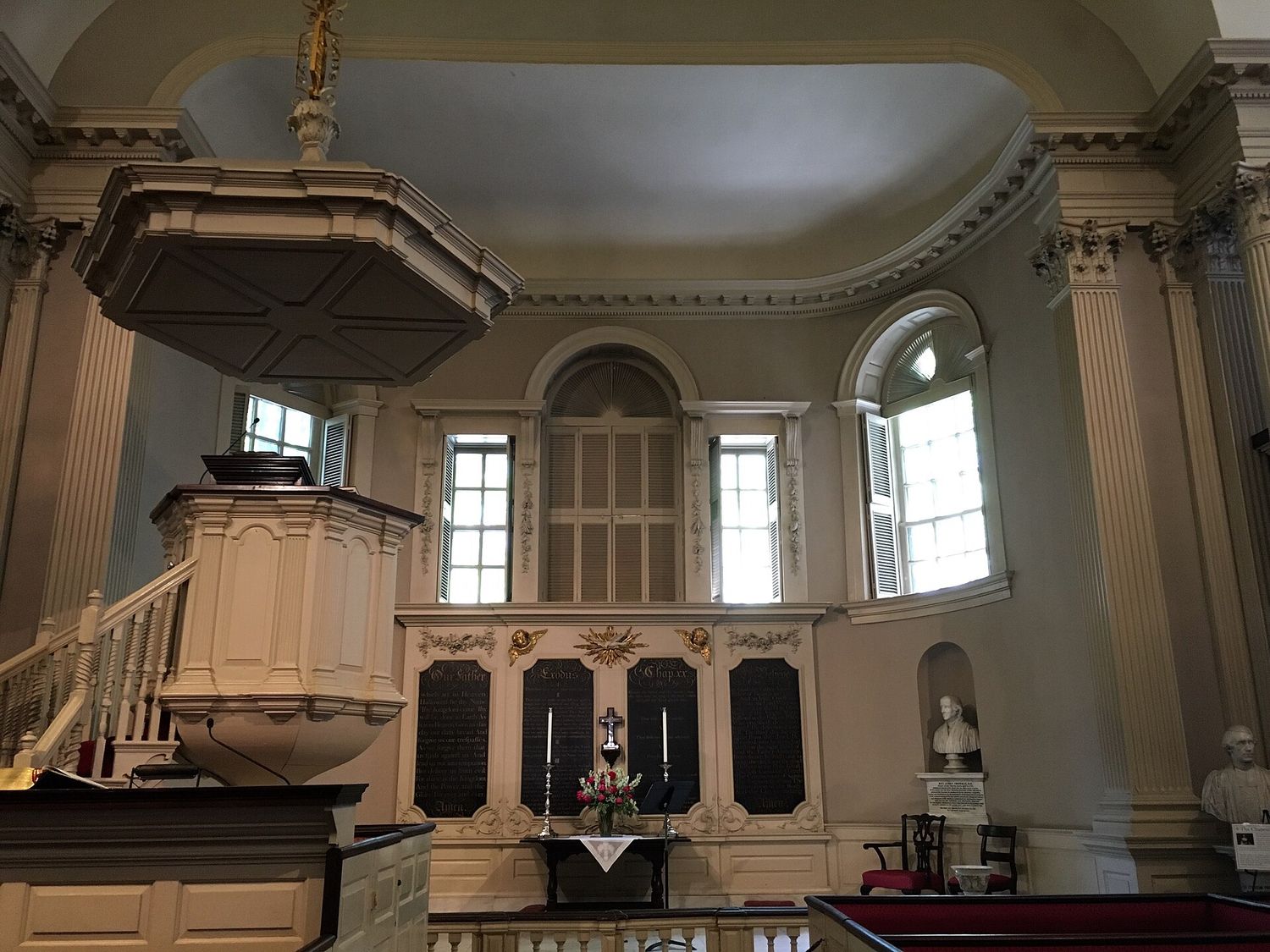
What it is: the dark granite church at Tremont and School Streets, home to a congregation founded in 1686 as the first Anglican church in Boston, planted by royal officials in a Puritan town that wanted nothing to do with the Church of England. The current building dates from 1754. Beside it is Boston’s oldest burying ground, in use from 1630, with John Winthrop, the colony’s first governor, and William Dawes, the other midnight rider. Cost and hours: general admission is $5 and covers the main floor, with informal talks from the chapel’s educators. The 45-minute Bells and Bones tour, which takes you through the ground level, down into the crypt and up into the galleries, costs $15 for adults and $12 for students, seniors 65 and over and EBT and WIC cardholders, and is free for under-6s; the price includes entry. Hours change from month to month, and the chapel is closed on some weekdays, so check the King’s Chapel visit page before you go. Verdict: the Bells and Bones tour is one of the best-value experiences on the trail, and the crypt, one of only two surviving colonial-era crypts in Boston, is something few visitors see. King’s Chapel is also included in the Boston 250 Pass.
6. Boston Latin School site and the Benjamin Franklin statue
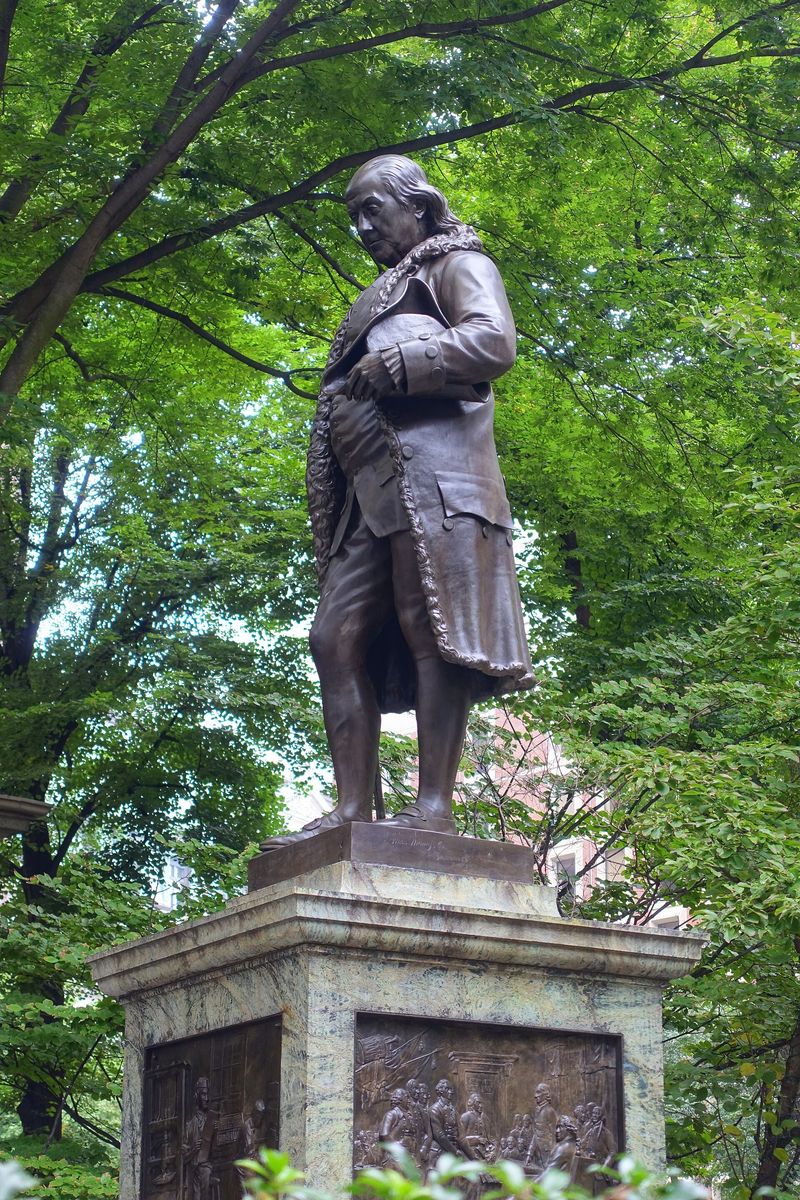
What it is: the site of Boston Latin School, founded in 1635 and the oldest public school in America, marked by a colorful mosaic set into the sidewalk on School Street, which is how the street got its name. The school’s students included Samuel Adams, John Hancock and Benjamin Franklin, who dropped out. Franklin’s statue, from 1856, stands in the courtyard of Old City Hall, a grand French Second Empire building from the 1860s; look also for the bronze donkey, a tongue-in-cheek nod to the Democratic Party. Verdict: five minutes. Look down for the mosaic, which most people walk straight over.
7. Old Corner Bookstore
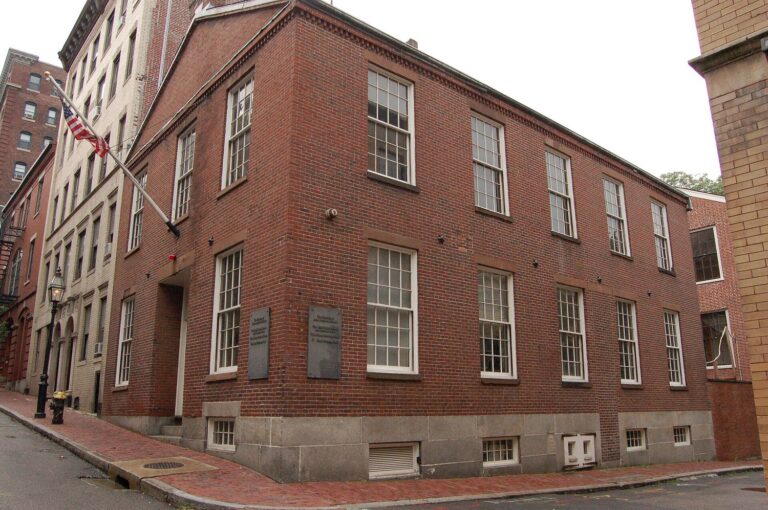
What it is: a small brick building of about 1718 at the corner of School and Washington Streets, one of the oldest commercial buildings in the city. In the nineteenth century it was home to Ticknor and Fields, the publishers of Hawthorne, Emerson, Longfellow and Thoreau, and the center of literary Boston. Verdict: today the ground floor is a restaurant, and there is nothing to visit inside. Read the plaque and keep walking. This is the stop that most self-guided walkers miss, and they are not missing much.
8. Old South Meeting House
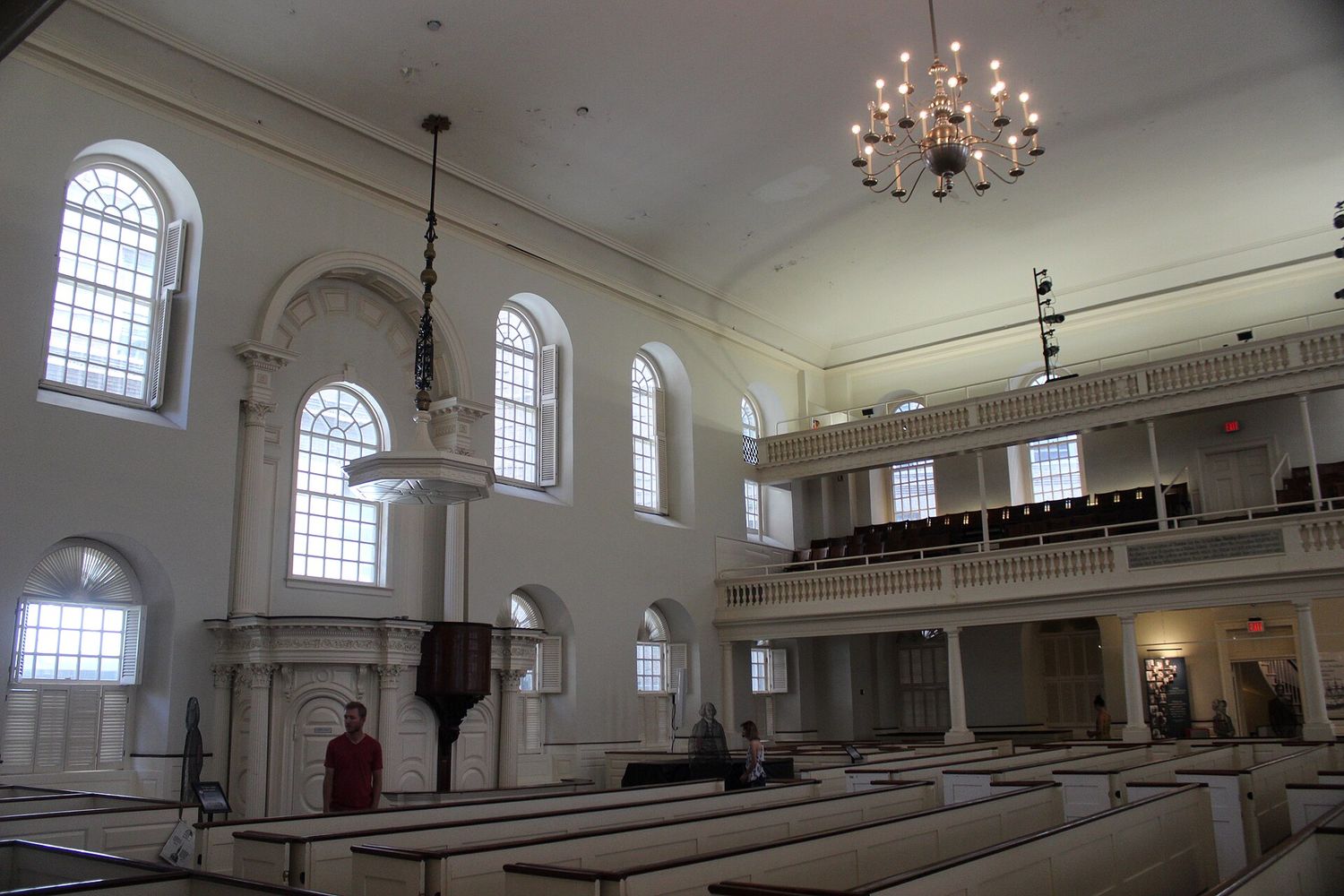
What it is: a Puritan meeting house of 1729 on Washington Street at Milk Street, the biggest building in colonial Boston and the place people gathered when Faneuil Hall was too small. The meeting that ended with the Boston Tea Party was held here on 16 December 1773. Phillis Wheatley, the enslaved poet who became the first African American woman to publish a book of poetry, was a member of the congregation, and during the siege the British army gutted the interior and used it as a riding school. Cost and hours: one Revolutionary Spaces ticket, $18 for adults, $16 for seniors and $10 for ages 6 to 17, covers both Old South and the Old State House; both are open daily from 10am to 5pm. Verdict: go in, on the joint ticket. The room is big, bright and simple, and standing in it, where thousands of angry Bostonians packed the pews and galleries, is the point of the visit.
9. Old State House
What it is: the seat of the British colonial government, built in 1713 and the oldest surviving public building in Boston, now standing on a traffic island among the office towers of the Financial District, with State station in its basement. The Declaration of Independence was read to Bostonians from its east balcony on 18 July 1776; the lion and unicorn on the gable are replicas of the royal symbols that were pulled down and burned that day. Cost: covered by the same $18 Revolutionary Spaces ticket as Old South. Verdict: go in. The museum inside is the best single introduction on the trail to how the Revolution started in Boston, and it puts every other stop in context.
10. Boston Massacre Site
What it is: a ring of cobblestones in the traffic island outside the Old State House, at the corner of State and Devonshire Streets, marking roughly where British soldiers fired into a crowd on 5 March 1770 and killed five men, among them Crispus Attucks, a man of African and Native American descent who is often called the first casualty of the American Revolution. Verdict: five minutes, and watch for traffic. The exact spot has shifted over the years as the street was rebuilt, but the story is told well inside the Old State House, which is the better place to learn it.
11. Faneuil Hall
What it is: the market hall and meeting place given to the town by the merchant Peter Faneuil in 1742, enlarged by Charles Bulfinch in 1806, and nicknamed the Cradle of Liberty for the protest meetings held here before the Revolution and the abolitionist meetings after it. What is inside: the Great Hall on the second floor, where National Park Service rangers give free 15-minute talks Wednesday to Sunday on the half hour from 10:30am to 3:30pm; the NPS visitor center on the first floor; and, on the fourth floor, the museum and armory of the Ancient and Honorable Artillery Company, chartered in 1638, which is free and open Wednesday to Friday from 9am to 3pm. Verdict: go upstairs for a ranger talk; it is the best free twenty minutes on the trail. Our Faneuil Hall Marketplace guide covers the market around it, which is a different and more mixed story.
The North End: stops 12 to 14
12. Paul Revere House
What it is: a small, dark-clapboard house in North Square, built around 1680 and the oldest surviving house in downtown Boston. Paul Revere, silversmith, engraver and dispatch rider, owned it from 1770 to 1800 and rode out from here on the night of 18 April 1775. What is inside: a handful of low-ceilinged rooms furnished to show the house in two periods, with Revere family objects and a courtyard beside it. Cost: $6 for adults, $5.50 for students and $1 for ages 5 to 17. Verdict: go in. It is the cheapest real interior on the trail and the only place on it where you stand inside a seventeenth-century house. Forty minutes is right. Lines form in summer, so try to arrive early.
13. Old North Church
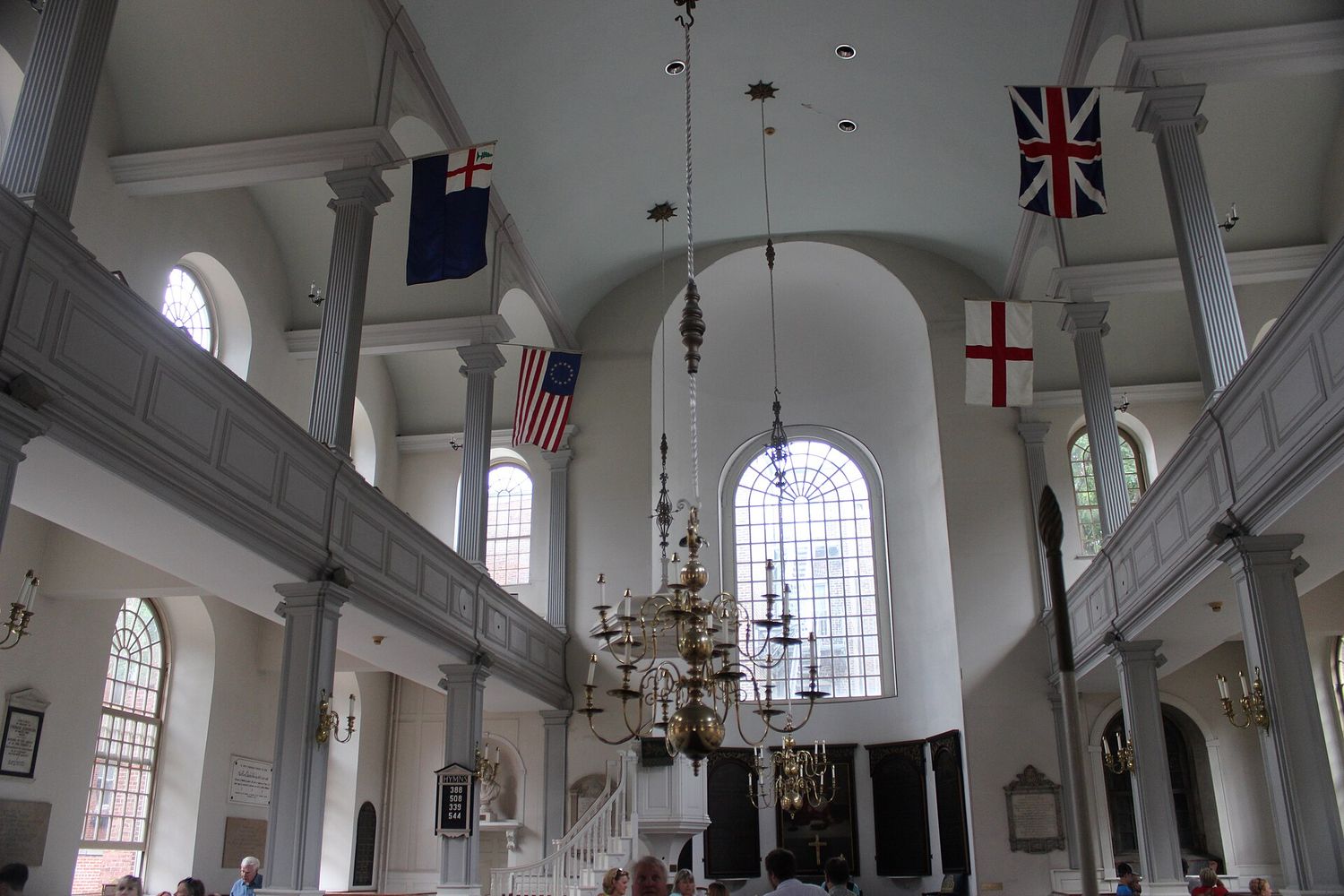
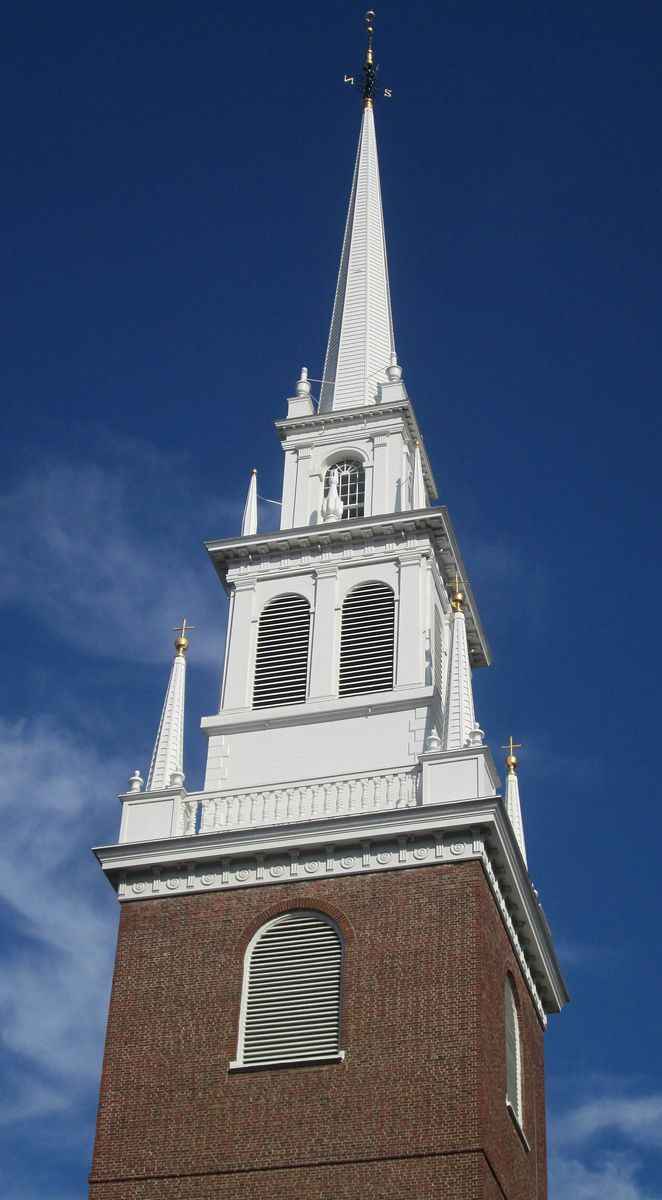
What it is: Christ Church, known as Old North, built in 1723 and the oldest surviving church building in Boston. On the night of 18 April 1775, two lanterns were hung in its steeple to signal that the British were crossing by water, “one if by land, and two if by sea.” What is inside: high white box pews, some still bearing the names of the families who rented them, a gallery, a colonial organ and a set of bells that a teenage Paul Revere once rang. Cost and hours: the Discovery Pass, $10 for adults and $5 for young people, with under-6s free, covers a self-guided visit to the sanctuary and the crypt, with an audio guide for adults and an audio adventure and scavenger hunt for children. For $15, or $10 for young people, you add a 25-minute guided tour of the bell chamber, up two sets of steep stairs. Tourist hours are Monday to Saturday 10am to 5pm and Sunday 12:30pm to 5pm; it is still an active Episcopal church, with a service at 11am on Sundays. Verdict: go in, and do not skip the crypt; there are more than a thousand people buried beneath the floor. The bell chamber tour is worth the extra $5 if you can manage the stairs. Old North is included in the Boston 250 Pass. Check the Old North visit page for current details.
14. Copp’s Hill Burying Ground
What it is: the North End’s burying ground, opened in 1659 on the highest point in the neighborhood, looking across the harbor to Charlestown. The Mather family of Puritan ministers is here, including Cotton Mather, as is Prince Hall, the founder of Black Freemasonry in America. Many free Black Bostonians of the eighteenth and nineteenth centuries were buried on its Charter Street side. Verdict: fifteen minutes, free, and more peaceful than the Granary. Look for stones said to have been used by British soldiers for target practice, and for the view of the USS Constitution’s masts across the water.
Charlestown: stops 15 and 16
15. USS Constitution
What it is: a wooden frigate launched in 1797, nicknamed Old Ironsides after cannonballs appeared to bounce off her oak sides in the War of 1812, and the oldest commissioned warship afloat in the world. She is still crewed by active-duty U.S. Navy sailors, who give tours. Cost and access: free, first come, first served. Everyone goes through a security screening, and visitors 18 and over need federal or state photo ID, such as a driver’s license or passport. The ship is closed on Martin Luther King Jr. Day, Thanksgiving, Christmas and New Year’s Day, and hours change by season, so check the Navy’s visitor page. Verdict: essential, and a highlight for children. The USS Constitution Museum next door has suggested admission of $15 a person, with a reduced tier from free to $10, and it is excellent. USS Cassin Young, a Second World War destroyer, is also berthed in the Navy Yard.
16. Bunker Hill Monument
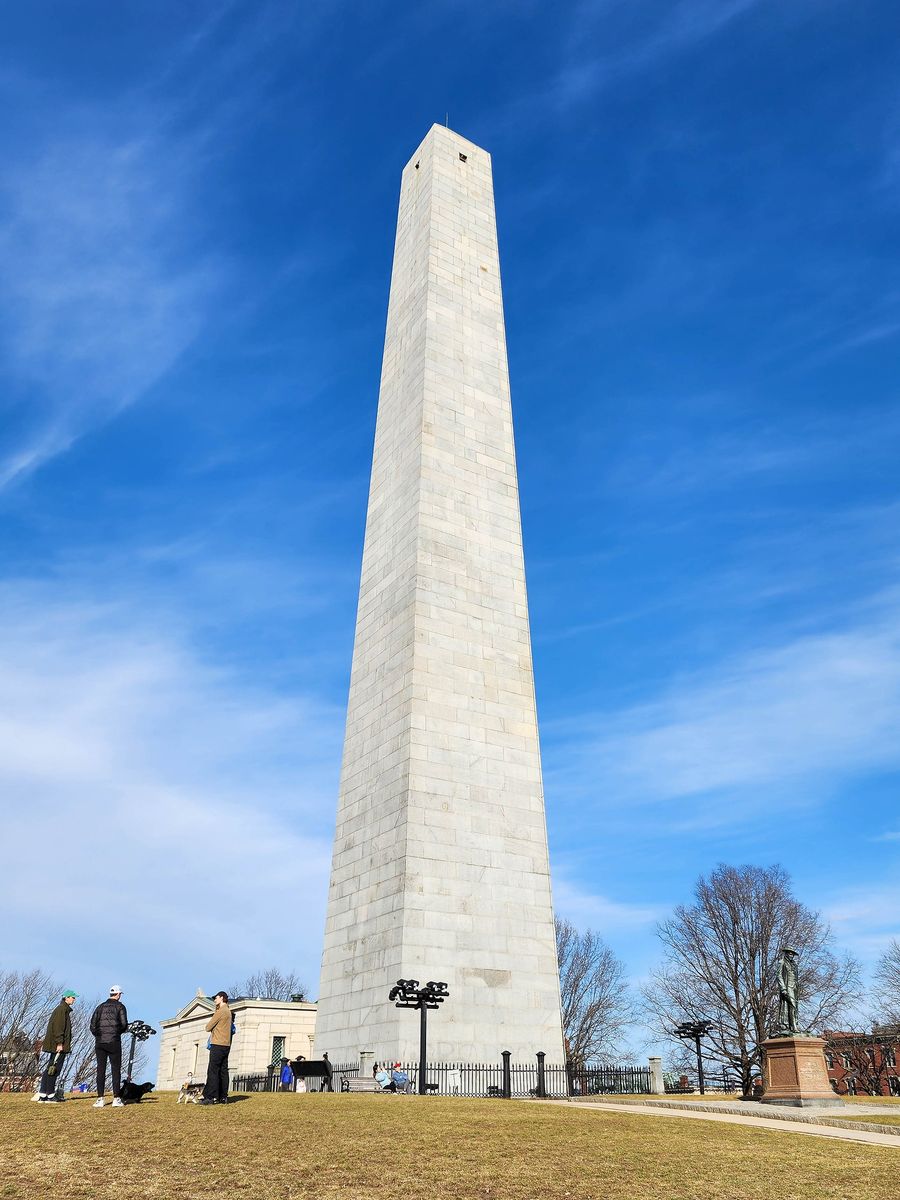
What it is: a 221-foot granite obelisk, finished in 1843, marking the first major battle of the Revolution, fought on 17 June 1775. The British won, but at such cost that the colonists realized they could stand up to a professional army. Most of the fighting actually took place on Breed’s Hill, where the monument now stands, not on Bunker Hill itself. Cost and access: free. The climb is 294 steps with no elevator, and the view from the top takes in the harbor, the Navy Yard and the whole of downtown. The Bunker Hill Museum across the street is also free. Hours for the monument and museum vary by season; check nps.gov/bost or call the Park Service on 617-242-5601. Verdict: climb it if your legs will let you. It is the right place to finish.
The stops by type
Sixteen stops blur together by the afternoon. Grouping them by type makes it easier to decide where to spend time, and to notice what you have already seen enough of.
The burying grounds: Granary, King’s Chapel, Copp’s Hill
Three of the sixteen stops, plus the Central Burying Ground on the Common, are graveyards, and they are the most underrated part of the trail. They are free, quiet and full of the best colonial carving in America: winged skulls, hourglasses, crossed bones and, later, softer cherubs and urns. The Granary has the famous names; King’s Chapel has the oldest stones, back to the 1600s; Copp’s Hill has the view and the stories of the North End’s Black community. If you only have time for one, make it the Granary, and give it twenty minutes rather than two.
The churches and meeting houses: Park Street, King’s Chapel, Old South, Old North
Four stops are places of worship, or were, and they tell the story of how religion and politics were tangled together in colonial Boston. Old South was the Puritan town’s biggest room, which is why the Tea Party meeting was held there; King’s Chapel was the Crown’s church, the Anglican outpost resented by its neighbors; Old North, also Anglican, is where the lanterns were hung; and Park Street, from 1809, belongs to the next century’s fights over slavery. Old North and King’s Chapel are the two to go inside.
The seats of government: the State House, the Old State House, Faneuil Hall
The Old State House was the seat of royal government; Faneuil Hall was where the town argued back; and the State House on Beacon Hill is where the new Commonwealth moved once it had won. Seeing all three in one day is the clearest way to understand the arc of the Revolution in Boston. The Old State House museum is the essential one.
The markers: the Latin School site, the Old Corner Bookstore, the Massacre Site
Three stops in a row in the middle of downtown are, essentially, plaques and places rather than buildings you can enter. They take five minutes each and are where most self-guided walkers lose the thread. Look down at the Latin School mosaic, read the Old Corner Bookstore plaque, and stand at the Massacre ring for a moment, then keep going.
The big three at the edges: Boston Common, USS Constitution, Bunker Hill
The trail begins and ends with its largest sites: a 50-acre park, a wooden warship from 1797 and a 221-foot granite obelisk. They are all free and all best on a clear day. The ship and the monument are in Charlestown, at the far end, which is why it pays to save energy for them.
Three ways to prioritize the stops
- One hour. The Granary, King’s Chapel from outside, the Old State House and the Massacre site, and Faneuil Hall. All downtown, all within about half a mile, no tickets needed except the Old State House if you go in.
- Half a day, four interiors. The Granary, the Old State House and Old South on the joint ticket, a Faneuil Hall ranger talk, and the Paul Revere House, with lunch in the North End. About $24 for an adult in admissions.
- A full day, the best of everything. All sixteen, with the State House tour on a weekday, King’s Chapel’s Bells and Bones tour, the Old State House and Old South, the Revere house, Old North with the crypt, the USS Constitution and its museum, and a climb of the monument. Around $49 for an adult in admissions and tours, and a very tired pair of legs.
Our guide to Boston sightseeing tours covers the guided options if you would rather someone else did the prioritizing.
The best interiors, ranked
If you only have time or money for a few, here is how the interiors compare. All prices are for one adult.
- Old State House ($18 with Old South). The best museum on the trail and the clearest explanation of how it all began.
- Old North Church ($10, crypt included; $15 with the bell chamber). The most atmospheric room on the trail, and the crypt is unforgettable.
- USS Constitution (free). A real warship, crewed by the Navy, explained by the sailors who serve on her.
- Paul Revere House ($6). Small, but the only seventeenth-century house on the route.
- King’s Chapel ($5, or $15 for the Bells and Bones tour). Underrated, and the tour is excellent.
- Faneuil Hall’s Great Hall (free). A ranger talk in the room where it happened.
- Massachusetts State House (free, weekdays only). Grand, and a working government building.
- Old South Meeting House ($18 with the Old State House). Worth it on the joint ticket; not on its own.
What the paid stops cost, and whether the pass helps
| Site | Adult | Child | In the Boston 250 Pass? |
|---|---|---|---|
| Paul Revere House | $6 | $1 (5–17) | Yes |
| Old State House and Old South Meeting House | $18 combined | $10 (6–17) | Yes, both |
| Old North Church (Discovery Pass, crypt included) | $10 | $5 (under 6 free) | Yes |
| King’s Chapel | $5 | Free under 6 on the tour | Yes |
| Old North with the bell chamber tour | $15 (includes entry) | $10 | No |
| King’s Chapel Bells and Bones tour | $15 (includes entry) | Free under 6 | No |
| Everything else | Free | Free | — |
The $35.10 Boston 250 Pass covers adult entry to the Paul Revere House, the Old State House, Old North Church, Old South Meeting House and King’s Chapel. Here is the honest math: bought separately at September 2026 prices, those five cost $6 for the Revere house, $18 for the combined Old State House and Old South ticket, $10 for Old North and $5 for King’s Chapel, which comes to $39. So if you visit all five, the pass saves you about $4. Any four of them cost $34 at most, less than the pass, so buy it only if all five are on your list; otherwise pay at the door.
Boston CityPASS, meanwhile, covers none of the Freedom Trail sites. Our guide to whether Boston CityPASS is worth it explains what it does include.
Stops with closed days and other catches
- Massachusetts State House: closed on weekends and holidays. Weekday tours only.
- King’s Chapel: hours change every month and it is closed on some weekdays; Tuesdays have been closed in recent schedules. Check before you go.
- Faneuil Hall ranger talks: Wednesday to Sunday only. The visitor center adds Tuesdays from Memorial Day to the end of September.
- USS Constitution: closed on four federal holidays, with seasonal hours; photo ID required for adults.
- Burying grounds: open in daylight hours only.
- Old State House and Old South: open daily from 10am to 5pm, the most reliable of the paid sites.
The stops with children
For children, the Freedom Trail is best as a treasure hunt with a few big rewards. The ones that work best: the USS Constitution, with sailors in uniform and cannons on the gun deck; the Paul Revere House, small enough not to bore anyone; Old North Church, whose crypt is included in the entry and which has its own audio adventure and scavenger hunt for children; the burying grounds, where hunting for skulls on headstones keeps them busy; and the Bunker Hill Monument, if they can manage 294 steps. The NPS visitor center in Faneuil Hall has free junior ranger books. The ones to move through quickly are the Old Corner Bookstore, the Latin School site and Park Street Church. Our Boston with kids guide has more.
What the sixteen stops leave out
The official list tells one story, the Revolution as seen from downtown Boston between about 1765 and 1776, and it tells it well. But it leaves a lot out. The Black Heritage Trail, about 1.5 miles across the north slope of Beacon Hill from the Shaw Memorial, ends at the African Meeting House of 1806, the oldest surviving Black church building in the country; National Park Service rangers lead it free in season. The Boston Tea Party Ships and Museum, on the Congress Street Bridge, tells the story of the night that began at Old South, with timed tickets from $36 for adults and $27 for ages 3 to 12. And the story of Boston after the Revolution, of immigrants, abolitionists, industry and the neighborhoods, is mostly off the red line. Our guide to things to do in Boston covers what to see next.
Frequently asked questions
What are the 16 stops on the Freedom Trail?
In order: Boston Common, the Massachusetts State House, Park Street Church, the Granary Burying Ground, King’s Chapel and its burying ground, the Boston Latin School site and Franklin statue, the Old Corner Bookstore, Old South Meeting House, the Old State House, the Boston Massacre Site, Faneuil Hall, the Paul Revere House, Old North Church, Copp’s Hill Burying Ground, USS Constitution and the Bunker Hill Monument.
Which Freedom Trail stops are free?
Eleven of the sixteen are free: Boston Common, the State House (weekday tours), Park Street Church, the Granary, the Latin School site, the Old Corner Bookstore, the Massacre Site, Faneuil Hall, Copp’s Hill, USS Constitution and the Bunker Hill Monument. The paid ones are the Paul Revere House, Old North Church, King’s Chapel, Old South Meeting House and the Old State House.
Which Freedom Trail stops are worth going inside?
The Old State House, Old North Church, USS Constitution, the Paul Revere House and King’s Chapel are the best interiors. Faneuil Hall’s Great Hall is free and worth it for a ranger talk, and the State House tour is excellent on weekdays.
Is the Boston 250 Pass worth it?
Only if you will visit all five sites. At September 2026 prices, the five sites it covers cost $39 bought separately, against $35.10 for the pass, so it saves about $4 if you visit all five. Any four of them cost $34 at most, so skipping even one makes the pass dearer than paying at the door.
Where is Paul Revere buried?
In the Granary Burying Ground, stop 4 on the trail, on Tremont Street next to Park Street Church. Samuel Adams, John Hancock and the Boston Massacre victims are buried there too.
Do I need ID for the USS Constitution?
Yes, if you are 18 or over: bring federal or state photo ID, such as a driver’s license or passport. Everyone goes through a security screening. Visiting is free.
If you would rather have the stories told on the spot, several guided walks cover the downtown stops, and the Park Service offers free options. Our comparison of Freedom Trail tours explains which sites each tour reaches, what they cost and how to combine a guided morning with a self-guided afternoon.
Of all the interiors on the trail, the Paul Revere House gives the most for the least money. Our full guide to the Paul Revere House covers what is inside, when to arrive to miss the line, and the real story of the ride, including what Longfellow’s poem gets wrong.
The ship at stop 15 deserves more time than most walkers give it, and its off-season hours catch people out. Our guide to USS Constitution in Boston covers the security screening, what you see on each deck, the museum a short walk away and the ten-minute ferry back to Long Wharf.
If one trail leaves you wanting another, the Black Heritage Trail starts opposite stop 2, at the Shaw Memorial, and crosses Beacon Hill past the homes and meeting places of the nineteenth-century free Black community. Our guide to the Black Heritage Trail covers all ten of its stops in order, from the George Middleton House to the African Meeting House, and how to pair it with a Freedom Trail day.